
Propagation
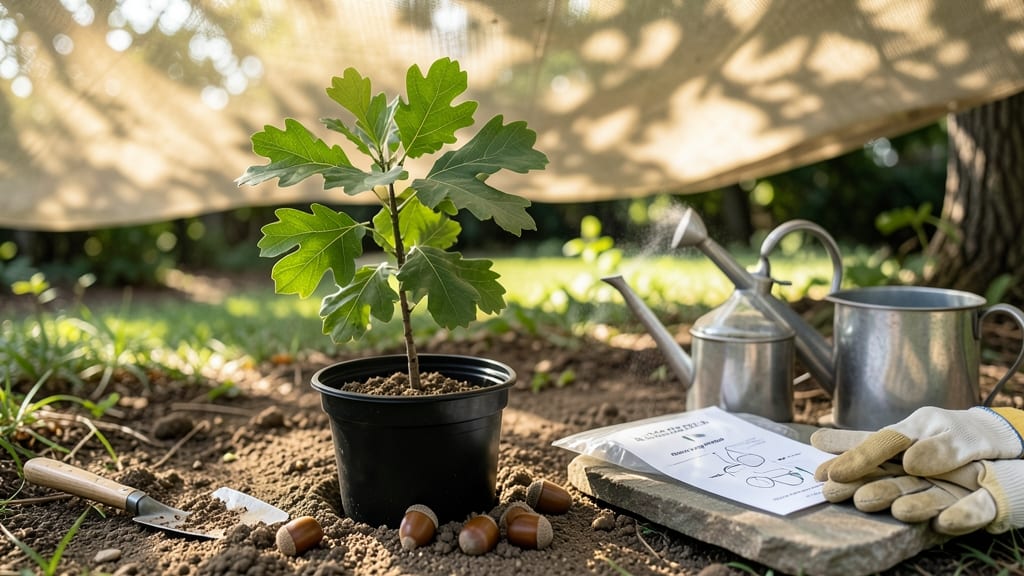
How to grow oak from seed is the ultimate long game. 🌳 The first year might feel like waiting for a slow-moving snail, but that stubborn little sprout will one day shade your grandchildren's backyard—if you're patient enough to let it happen.
The secret starts with sourcing acorns: collect them fresh in fall, store them in damp sand until spring, then mimic winter's cold with a stratification process that tricks them into thinking they've survived a real season. Most people skip this step and wonder why nothing sprouts.
By summer's end, you'll have tiny seedlings that need bright light and consistent moisture—think of them as tiny forest giants in training. They grow slow at first, but once established, they'll outpace anything you've ever planted.
This isn't a quick project; it's a 20-year commitment to watching something grow from a tablespoon-sized nut to a towering shade tree. But that's the magic of oak trees—they reward patience with strength and grandeur.
📚 In This Guide
- What you need
- Instructions
- Tips and common mistakes
- Wrapping up and next steps
What you need
- ● Oak acorns: Fresh, mature acorns (preferably from white oak or red oak; avoid black oak if possible). Aim for 10–20 acorns to increase success rates.
- ● Container: Small pots (4–6 inches deep) with drainage holes for stratification.
- ● OR a large tray or seed-starting kit with moistened paper towels (for cold stratification).
- ● Potting soil: A well-draining mix (e.g., 50% peat moss, 30% perlite, 20% sand). Avoid heavy garden soil.
- ● Plastic wrap or humidity dome: To maintain moisture during germination.
- ● Refrigerator or cold stratification setup: A consistent 34–40°F (1–4°C) environment for 60–90 days.
- ● Spray bottle: For gentle watering to keep soil moist.
- ● Label and marker: To track seed varieties and planting dates.
- ● Seed scarifier: A small knife or file to nick the acorn shell (speeds up germination).
- ● Grow lights: If starting indoors before transplanting outside (oak seedlings need bright light).
- ● Fungicide: A mild solution (like hydrogen peroxide) to prevent mold during stratification.
- ● Outdoor nursery bed: A protected, sunny spot to harden off seedlings before permanent planting.
- ● Tree tags: For labeling mature saplings in your garden.
Step-by-step instructions for growing oak trees from seed
Here's how to turn acorns into towering oaks—it takes time, but the payoff is worth every year.
🌱 Step 1: Collect and Stratify Acorns for Germination
Gather fresh acorns from mature oak trees in late fall, when they've fallen naturally. The best ones are plump, heavy for their size, and free of cracks or holes. Store them in a moist paper towel inside a sealed plastic bag in the refrigerator for 90-120 days—this mimics winter and breaks seed dormancy. Check weekly to ensure the towel stays damp but not soggy.
After stratification, plant the acorns 1 inch deep in individual pots filled with sterile potting mix. I like to use small plastic cups with drainage holes—they're cheap and easy to manage. Keep the soil consistently moist but never waterlogged, as too much moisture causes rot. You'll see tiny roots emerge in 4-8 weeks, signaling it's time to move them to larger containers.
☀️ Step 2: Provide Ideal Light and Temperature for Seedlings
Once sprouted, place seedlings in a bright, indirect light spot—think 60-70% shade at first. Direct sunlight can scorch tender young leaves, so a north-facing window or a grow light on a 12-hour cycle works best. Keep the soil temperature between 65-75°F for steady growth. I've found that a simple heat mat under the pots helps speed up root development in cooler homes.
Watch for first true leaves—these will look different from the initial seed leaves and signal the plant is establishing its permanent structure. This usually happens within 8-12 weeks after germination. At this stage, you can gradually introduce more sunlight, but avoid harsh midday rays. A little leaf yellowing is normal as the seedling adjusts, but if it persists, reduce light intensity.
🪴 Step 3: Transplant to Larger Containers and Encourage Root Growth
When seedlings reach 6-8 inches tall (usually after 12-18 months), move them to 5-gallon containers filled with a mix of potting soil and compost. This gives their roots room to expand before they're ready for the ground. I like to add a handful of worm castings to the mix—it boosts nutrient uptake and strengthens the young trees. Water deeply after transplanting to settle the soil around the roots.
Oak seedlings grow slowly, so don't rush them. Keep them in containers for 2-3 years before planting outdoors, allowing them to develop a strong root system. During this time, fertilize lightly with a balanced, slow-release fertilizer every 3 months in spring and summer. Over-fertilizing can lead to weak, leggy growth, so less is more with these giants-in-the-making.
⏰ Step 4: Acclimate and Plant Outdoors for Long-Term Growth
Choose a permanent outdoor spot with full sun and well-draining soil. Oaks thrive in USDA Zones 4-9, but young trees need protection from harsh winds. Plant in early spring or fall, when temperatures are mild. Dig a hole twice as wide as the root ball but no deeper—planting too deep can suffocate the roots. Gently remove the seedling from its container, loosen any circling roots, and place it in the hole at the same depth it was growing in the pot.
Water deeply after planting to eliminate air pockets, then mulch around the base with 2-3 inches of organic mulch to retain moisture and regulate soil temperature. Avoid piling mulch against the trunk—keep it 3-4 inches away to prevent rot. The first year outdoors is critical, so water once a week during dry spells, keeping the soil evenly moist but not soggy. You won't see dramatic growth, but the roots will be building a foundation for decades to come.
Tips & tricks for growing oak trees from seed
These practical insights will help you navigate the long-term journey of nurturing acorns into sturdy oak saplings.
Acorn Selection Matters: When collecting acorns, prioritize those that are plump and heavy—these indicate higher moisture content and better germination potential. Avoid acorns with cracks or holes, as they're more likely to be infested or damaged. I've found that white oak acorns tend to germinate more reliably than red oak acorns, though both species can succeed with proper care. Store them in a sealed container to prevent drying out before stratification.
Stratification Success: The 90-120 day cold stratification period is non-negotiable—this mimics winter conditions and breaks the seed's dormancy. Place a damp paper towel in a zip-top bag with the acorns, then check weekly to maintain moisture without making the towel soggy. I like to label each bag with the collection date to track the stratification timeline accurately. If you forget to check, the acorns may dry out or develop mold, so set a reminder for weekly inspections.
Light Transition Strategy: When moving seedlings from bright indirect light (60-70% shade) to full sun, do it gradually over several weeks. Sudden exposure can cause leaf scorch, which stunts growth. I recommend starting with morning sun only, then slowly increasing exposure as the seedlings develop thicker leaves. This gradual acclimation mimics natural forest conditions where young trees gradually adapt to sunlight.
Transplanting Timing: The 12-18 month window before transplanting to 5-gallon containers is ideal for root development, but don't rush this stage. Oak seedlings grow slowly by nature, and rushing them can lead to weak root systems that struggle to support the tree's eventual height. I've seen seedlings that were transplanted too early develop shallow root systems that circle around the pot—a common mistake that makes outdoor planting difficult.
Pro Tips for Grow Oak From Seed
- These practical insights will help you navigate the long-term journey of nurturing acorns into sturdy oak saplings.
- Acorn Selection Matters: When collecting acorns, prioritize those that are plump and heavy—these indicate higher moisture content and better germination potential.
- Stratification Success: The 90-120 day cold stratification period is non-negotiable—this mimics winter conditions and breaks the seed's dormancy.
Frequently asked questions
about growing oak trees from seed—because every gardener deserves a little clarity before diving in!How long does it take for an oak seed to germinate?
Oak seeds are champions of patience—they can take anywhere from 2 to 6 monthsg to germinate, depending on the species and conditions. Some even require a cold stratification period (like 3-6 months in the fridge) to break dormancy. Don’t rush it; nature’s timeline is part of the magic!
Do I need to cold-stratify oak seeds?
Yes! Most oak seeds require cold stratification to mimic winter conditions and trigger germination. Simply place them in a damp paper towel or sand in a sealed bag in the fridge for 3-6 months. Skip this step, and you might be waiting years for sprouts—or none at all!
Can I grow an oak tree from a grocery store acorn?
Technically yes, but not all acorns will grow into strong trees. Many grocery store acorns are from hybrid or weak specimens. For the best results, collect acorns from mature, healthy oak trees in your area. Look for plump, brown acorns with no cracks or holes!
Why aren’t my oak seeds sprouting?
If your seeds aren’t germinating, check these common culprits:
- Improper stratification: They need cold and moisture.
- Old or damaged seeds: Acorns lose viability quickly—use fresh ones!
- Poor soil conditions: Ensure well-draining, slightly acidic soil (pH 5.0-6.5).
- Patience: Some seeds take years to crack open naturally.
How fast will my oak tree grow?
Oak trees are slow growers—expect 12-24 inches per year in ideal conditions. Dwarf varieties may grow faster, but most oaks take 10-20 years to reach maturity. The reward? A centuries-long legacy tree! Be patient—great things take time.
Wrapping up and next steps
Growing an oak tree from seed is a journey that rewards patience with majesty—your future forest starts with a tiny acorn! Remember, success hinges on stratification, consistent care, and time, but every step you take nurtures a legacy.
Once your sapling reaches 3–5 feet, it’s ready to plant outdoors—so mark your calendar and celebrate this milestone!
🌱 Next Steps:
- Monitor your sapling’s growth and protect it from pests.
- Research local climate needs for long-term thriving.
- Share your progress—future foresters start here! 🌳