
Size
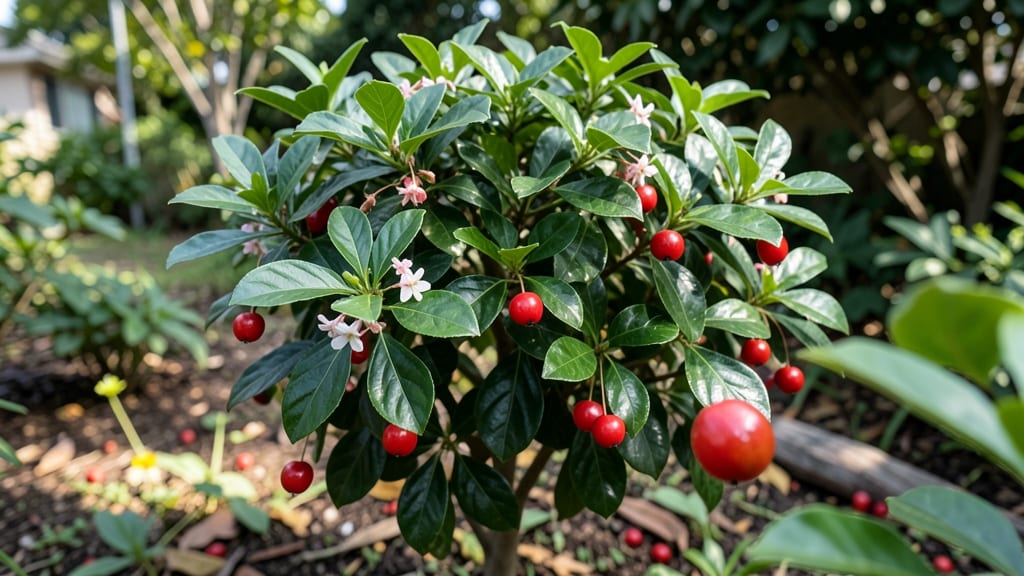
Your taste buds are about to get a mind-bending upgrade with how to grow the miracle fruit plant. 🌱 The tropical Synsepalum dulcificum—turns sour into sweet for hours, and growing it is easier than you’d think, even in pots indoors.
This tropical plant thrives in 60-80°F temperatures and high humidity, mimicking its native West African climate. You’ll need well-draining soil, bright indirect light, and a way to keep it consistently moist without soggy roots. Start with seeds or cuttings, but be patient—they grow slowly at first.
By summer, you’ll have glossy, dark green leaves and tiny red berries that pack the flavor-altering magic. Just one bite makes lemons taste like candy for up to an hour. The best part? It’s compact enough for a sunny windowsill or patio.
For non-tropical climates, treat it like a houseplant in winter—bring it inside before frost, and you’ll still get that sweet surprise year after year. Ready to grow your own flavor experiment?
📚 In This Guide
- What you need
- Instructions
- Tips and common mistakes
- Wrapping up and next steps
What you need
- ● Miracle fruit seeds or seedlings: Purchase from a reputable supplier (e.g., Synsepalum dulcificum seeds or young plants).
- ● Well-draining potting mix: 5–10 gallons (for pots) or loamy garden soil (for in-ground planting). Mix with 20–30% perlite or sand to prevent root rot.
- ● Containers (if potted): 12–18" diameter pots with drainage holes (or a large raised bed).
- ● Slow-release fertilizer: Balanced (10-10-10) or organic options like composted manure.
- ● Watering can or hose with a gentle nozzle: Avoid overwatering—miracle fruit hates soggy roots!
- ● Pruning shears: For shaping and harvesting (sterilize with rubbing alcohol).
- ○ Mulch (optional but helpful): Wood chips or straw to retain moisture and regulate soil temp.
- ● Temperature: Thrives in 70–85°F (21–29°C); avoid frost (hardy to USDA Zone 10+).
- ● Light: Bright, indirect sunlight (6+ hours daily). Dappled shade works too!
- ● Humidity: Prefers 60–80% (mist leaves occasionally in dry climates).
- ● pH Level: Slightly acidic to neutral (5.5–7.0). Test soil if unsure.
- ● 🌱 Seedlings vs. seeds: Seeds take 6–12 months to fruit; opt for young plants for faster results.
- ● 🔥 Heat lovers: Use a grow light or move pots indoors during winter if temps drop.
- ● ✨ Patience pays off: Miracle fruit plants can take 2–5 years to bear fruit—stay consistent!
Step-by-step instructions for cultivating miracle fruit plants
Growing this tropical curiosity requires patience and precise conditions—but the results are magical.
🌱 Step 1: Select and Prepare Your Starting Material
Miracle fruit plants grow from seeds found inside the bright red berries. After harvesting, remove the seeds and rinse them thoroughly to eliminate any remaining fruit pulp. I like to soak the seeds in lukewarm water for 24 hours to soften the outer coating—this dramatically improves germination rates. Use a fine mesh strainer to drain them afterward, then lay them out on a paper towel to dry for 12 hours before planting.
The key here is freshness—seeds lose viability quickly. Plant them within 2 weeks of harvest for best results. I always label my seed trays with the date to track germination windows. Miracle fruit seeds typically germinate in 14-28 days, but some may take up to 60 days—don't give up if you don't see sprouts immediately.
🪴 Step 2: Create the Ideal Germination Environment
Fill small pots (2-3 inches deep) with a well-draining mix of 50% peat moss and 50% perlite. This lightweight combination prevents root rot while retaining enough moisture for germination. Moisten the mix until it feels like a damp sponge—you shouldn't see standing water, but it should hold together when gently squeezed.
Plant seeds ¼ inch deep in the center of each pot. Cover lightly with additional mix and mist the surface with a spray bottle until evenly damp. Place the pots in a clear plastic bag or under a humidity dome to maintain 70-80% humidity. I position mine on a seedling heat mat set to 75-80°F—this warmth is crucial for breaking seed dormancy.
☀️ Step 3: Provide Consistent Light and Humidity
Once germination occurs, remove the humidity dome immediately to prevent fungal growth. Place seedlings under grow lights for 12-14 hours daily—natural sunlight alone rarely provides enough intensity. I use full-spectrum LEDs positioned 3-4 inches above the plants, adjusting the height as they grow to maintain that distance.
Water gently from the bottom by placing pots in ½ inch of water for 10 minutes every 3-4 days. You'll know moisture is right when the top inch of soil feels slightly damp but not soggy. Miracle fruit seedlings are sensitive to overwatering—yellowing leaves signal you're keeping them too wet.
🌿 Step 4: Transplant to Larger Containers
When seedlings develop 3-4 true leaves (about 6-8 weeks after germination), transplant them to 6-inch pots filled with a mix of 60% potting soil, 20% perlite, and 20% coconut coir. This blend provides excellent drainage while retaining moisture. Handle seedlings by their leaves to avoid damaging delicate stems.
Plant at the same depth as their original containers, then water thoroughly to settle the soil. Place the pots in a location with bright, indirect light for 2 weeks to help them acclimate. You'll notice new growth within 3-4 weeks—this indicates successful establishment.
⏰ Step 5: Maintain Optimal Growing Conditions
Mature miracle fruit plants thrive in 70-85°F temperatures and 60-70% humidity. If your climate runs drier, I recommend using a pebble tray with water beneath the pots to increase humidity. Water when the top 1-2 inches of soil feel dry, typically every 5-7 days—adjust based on your specific environment.
Fertilize monthly during the growing season with a balanced, water-soluble fertilizer diluted to ½ strength. You'll see the most vigorous growth when plants receive 4-6 hours of morning sun and afternoon shade—this prevents leaf scorch while providing enough light for fruiting. With proper care, your miracle fruit plants will produce berries in 12-18 months.
Tips & tricks for growing miracle fruit plants
These insider strategies will help you navigate the quirks of growing miracle fruit—from seed to fruiting plant.
Seed Preparation Secret: After your 24-hour soak in lukewarm water, I've found that gently rubbing the seeds between two paper towels helps remove any remaining pulp more effectively than rinsing alone. This extra step prevents mold during germination. The 12-hour drying period is non-negotiable—rushing this step can lead to dampness that invites fungal issues. For best results, place seeds on a screen or rack to allow airflow from all sides.
Germination Environment Upgrade: While the 75-80°F heat mat is ideal, I've had success using a simple DIY solution: place pots on top of a refrigerator (not inside) which maintains consistent warmth. The 70-80% humidity requirement is critical—if your home runs drier, consider using a small humidifier near the seed trays. You'll know you've got it right when condensation forms on the inside of your plastic bag but doesn't drip onto the soil.
Lighting Strategy: Those critical 12-14 hours of grow light can be tricky with natural sunlight variations. I recommend using a timer for your grow lights to maintain consistency. Position your lights 3-4 inches above seedlings and adjust as they grow—this distance prevents leggy growth while providing sufficient intensity. If you notice seedlings stretching toward the light, they need more intensity or a closer light source.
Transplanting Technique: When handling those delicate seedlings during transplanting, I've found using a small spoon to lift them from their original pots preserves more roots than pulling by the stem. The 6-inch pots are perfect for the first transplant, but if you're growing multiple plants, consider using a shallow tray with individual cells instead of separate pots. This makes watering more efficient and prevents overcrowding as they mature.
Pro Tips for Grow Miracle Fruit Plant
- These insider strategies will help you navigate the quirks of growing miracle fruit—from seed to fruiting plant.
- Seed Preparation Secret: After your 24-hour soak in lukewarm water, I've found that gently rubbing the seeds between two paper towels helps remove any remaining pulp more effectively than rinsing alone.
- Germination Environment Upgrade: While the 75-80°F heat mat is ideal, I've had success using a simple DIY solution: place pots on top of a refrigerator (not inside) which maintains consistent warmth.
Frequently asked questions
Got questions about growing your own Synsepalum dulcificum? You’re not alone! Here are answers to the most common queries from gardeners just like you.
How long does it take for miracle fruit to bear fruit?
Patience is key! Miracle fruit plants typically take 3–5 years to produce ripe berries when grown from seed. If you start with a cutting or grafted plant, you might see fruit in 1–2 years. The berries are small (pea-sized) but pack a powerful flavor punch!
Can miracle fruit survive winter outdoors?
Unfortunately, no—miracle fruit is a tropical plant and can’t handle frost. If you live in a cold climate, grow it in a pot and bring it indoors when temperatures drop below 50°F (10°C). A sunny windowsill or grow light works well during winter.
How do I know if the fruit is ripe and ready to use?
Ripe miracle fruit turns deep red or orange and feels slightly soft to the touch. The berries are tiny, so one plant yields just a few at a time. Once ripe, they last 3–5 days at room temperature. For best results, use them fresh—no storing!
What should I do if my miracle fruit plant’s leaves turn yellow?
Yellow leaves usually signal overwatering or poor drainage. Let the soil dry out between waterings and ensure your pot has drainage holes. If the roots smell rotten, repot in fresh, well-draining soil. Underwatering can also cause yellowing, so aim for consistently moist (not soggy) soil.
Are there any alternatives to miracle fruit for flavor-changing effects?
No exact substitute exists, but you can try miracle berry lookalikes like Richadella dulcifica (a rare cousin) or experiment with sweetening agents like stevia or sugar. However, nothing mimics the natural, temporary sweetness boost of miracle fruit! For a fun (but less potent) twist, try lo han guo (Buddha’s hand fruit).
Wrapping up and next steps
Growing your own miracle fruit plant is a rewarding adventure that unlocks a world of flavor transformation—right in your backyard or kitchen! 🌱 With the right care, patience, and a dash of creativity, you can enjoy its unique superpowers for years.
Whether you’re a seasoned gardener or a curious beginner, the key is consistency: bright light, balanced watering, and a little love.
Now that you’ve got the know-how, why not take the next step? Share your progress with fellow plant enthusiasts, experiment with recipes, or even gift a cutting to a friend. The magic of miracle fruit is waiting—go ahead and make it happen! 🌟