
Size
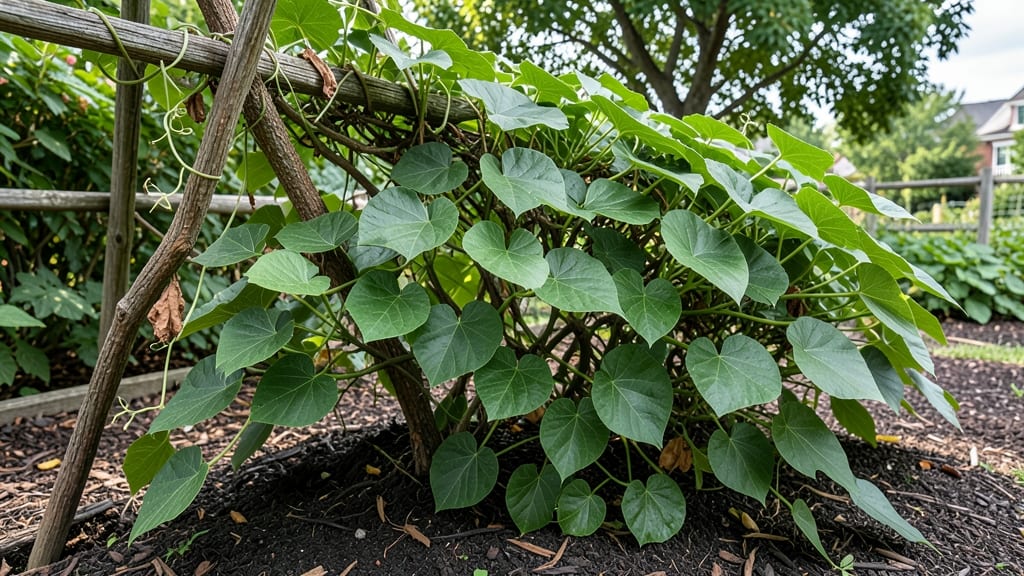
How to grow kiwi at home—there’s nothing like the taste of summer in a fruit you’ve nurtured yourself. 🌱 I planted my first vine three years ago, and now we have more kiwis than we know what to do with—sweet, fuzzy, and straight from our backyard. The secret isn’t fancy equipment; it’s choosing the right variety and giving it space to climb.
Hardy kiwi (Actinidia arguta) thrives in cooler climates, while tropical kiwi (Actinidia deliciosa) needs warmth. Either way, you’ll need a sturdy trellis or fence—these vines grow 20-30 feet in ideal conditions.
Start with a male and female plant for pollination (yes, kiwis need both!), and pick a sunny spot with well-draining soil.
By year three, you’ll harvest 20-50 pounds of fruit if you prune correctly and keep the soil moist but not soggy. The first harvest might be small, but the vine matures quickly, and the payoff is worth the patience. Plus, there’s nothing like biting into a kiwi you grew yourself.
Even small spaces work—just use a container for dwarf varieties or train the vine vertically. Troubleshoot yellow leaves with balanced fertilizer, and watch for birds stealing your fruit (netting helps!). The key is consistency, and soon, you’ll have your own kiwi vineyard.
📚 In This Guide
- What you need
- Instructions
- Tips and common mistakes
- Wrapping up and next steps
What you need
- ● Kiwi vines (plants): 1–2 hardy varieties (e.g., Actinidia deliciosa or Actinidia arguta). Buy male and female plants (you’ll need at least 1 of each for pollination).
- ● Well-draining soil: Mix 60% topsoil, 30% compost, and 10% perlite or coarse sand (pH 6.0–7.0).
- ● Large containers or garden space: For containers: 5–10 gallon pots (minimum 18" deep) with drainage holes.
- ● For ground planting: Space vines 8–10 feet apart (they’re climbers!).
- ● Support structure: Sturdy trellis, arbor, or fence (8–12 feet tall). Kiwi vines love to climb!
- ● Organic fertilizer: Balanced 10-10-10 or compost tea (apply in spring).
- ● Mulch: Straw or wood chips (2–3 inches) to retain moisture and suppress weeds.
- ● Drip irrigation or hose: Kiwi vines need 1–2 inches of water weekly (more in hot climates).
- ● Pruning shears: Sharp, clean pair for trimming (sterilize with rubbing alcohol between cuts).
- ● Gloves: Heavy-duty to protect from thorns (kiwi vines are prickly!).
- ● Trellis ties: Soft plant ties or cloth strips to secure vines to supports.
- ○ Soil test kit (optional): Check nutrient levels before planting.
- ○ Frost cloth (optional): For young vines in cold climates (kiwi is not frost-tolerant).
- ○ Pollination aid (optional): Small brush to hand-pollinate flowers if bees are scarce.
Step-by-step instructions for growing kiwi at home
Here's how to cultivate a thriving kiwi vine with minimal fuss—just follow these clear steps.
🪴 Step 1: Select the Right Variety and Planting Site
Kiwi vines need both male and female plants for pollination, so start with one female and one male vine (like 'Hayward' females and 'Tomuri' males). Choose a sunny, sheltered spot with a sturdy trellis or fence—kiwi vines can grow 20-30 feet if unchecked. The soil should drain well but retain moisture, so amend heavy clay with compost or well-rotted manure before planting.
Plant in early spring after the last frost when soil warms to 60°F. Dig a hole twice as wide as the root ball but only as deep. Place the vine so the graft union (visible bump near the base) sits 2 inches above soil level—this prevents rot. Water deeply right after planting to settle the roots.
☀️ Step 2: Train and Support the Vine for Optimal Growth
Kiwi vines are vigorous climbers, so install a strong trellis or arbor before planting. Use tough, flexible twine to guide new shoots upward, tying them loosely every 6-12 inches as they grow. Prune side shoots to 2-3 buds early on to encourage a single main stem—this prevents a tangled mess and improves fruit production.
In late winter, prune dormant vines by cutting back old wood (more than 3 years old) and thinning crowded branches. Leave 3-5 main branches per vine, spacing them evenly. This ensures sunlight reaches all fruit and prevents disease buildup in dense growth.
💧 Step 3: Water and Fertilize for Maximum Yield
Kiwi vines need consistent moisture, especially during fruit development. Water deeply once a week (or more in hot climates) until the top 12 inches of soil feels damp. Mulch with 3-4 inches of organic mulch (like straw or wood chips) to retain moisture and suppress weeds. Avoid wetting the leaves when watering—this reduces fungal diseases like powdery mildew.
Fertilize twice a year: in early spring with a balanced 10-10-10 fertilizer and again after harvest with a low-nitrogen, high-potassium blend (like 5-10-10) to support fruit development. Over-fertilizing leads to excessive leaf growth at the expense of fruit—so follow the package rates closely.
✂️ Step 4: Pollinate and Prune for Fruit Production
If your vines are near each other, hand-pollinate in early spring by transferring pollen from male to female flowers with a small brush. Female flowers have long styles (like a tiny tube) while males have prominent stamens. Pollination ensures fruit set, but even with kiwis, some flowers may drop—this is normal.
After fruiting, thin clusters to 3-5 kiwis per branch to prevent overburdening. Overloaded vines produce small, underripe fruit. Harvest when the skin softens slightly and the vine easily releases the fruit—usually late summer to fall, depending on your climate. Ripen indoors at room temperature for a few days before eating.
⏰ Step 5: Winter Care and Long-Term Maintenance
Kiwi vines are hardy to Zone 6, but young plants need protection in colder areas. Wrap the base in burlap or mulch and cover with frost cloth if temperatures dip below 20°F. Prune lightly in late winter to remove dead wood and shape the vine for the coming season.
Every 3-4 years, renew the soil around the vine by top-dressing with 2-3 inches of compost. Kiwi vines are heavy feeders, and replenishing nutrients keeps them productive. Monitor for pests like aphids or scale, treating infestations early with neem oil or insecticidal soap to avoid chemical buildup in the fruit.
Tips & tricks for growing kiwi vines at home
Growing kiwi vines from scratch is incredibly rewarding—here's how to avoid common pitfalls and maximize your harvest.
Site Selection Insight: While the instructions mention a "sunny, sheltered spot," I can't emphasize enough how critical this is. Kiwi vines thrive in full sun (at least 6-8 hours daily), but they also need protection from strong winds that can damage delicate vines. If your yard has afternoon shade, consider installing a trellis on the south-facing side of your property to capture maximum sunlight.
Trellis Design Tip: The instructions recommend a sturdy trellis, but I've found that kiwi vines benefit from a permanent, freestanding structure rather than attaching to fences or walls. A 4-foot wide by 12-foot tall arbor with horizontal wires spaced every 12 inches gives vines proper support while allowing easy access for pruning and harvesting. This also prevents the vine from becoming top-heavy as it matures.
Soil Preparation Strategy: The instructions mention amending heavy clay with compost, but I've learned that kiwi vines actually prefer soil with a slightly acidic pH (6.0-6.5). Test your soil before planting—if it's too alkaline, mix in sulfur or peat moss along with the compost. This small adjustment makes a huge difference in nutrient uptake, especially during the critical first two years of growth.
Winter Protection Hack: While the instructions mention frost cloth for temperatures below 20°F, I've found that adding a layer of straw mulch (6-8 inches thick) around the base of the vine provides extra insulation. For young plants, consider using miniature row covers instead of full frost cloth—they allow more light penetration while still protecting against freezing temperatures.
Pro Tips for Grow Kiwi At Home
- Growing kiwi vines from scratch is incredibly rewarding—here's how to avoid common pitfalls and maximize your harvest.
- Site Selection Insight: While the instructions mention a "sunny, sheltered spot," I can't emphasize enough how critical this is.
- Trellis Design Tip: The instructions recommend a sturdy trellis, but I've found that kiwi vines benefit from a permanent, freestanding structure rather than attaching to fences or walls.
Frequently asked questions
Got questions about growing kiwi at home? You’re not alone! Here are answers to the most common queries to help you cultivate a thriving vine and sweet, homegrown fruit.
How long does it take for a kiwi vine to produce fruit?
A kiwi vine typically takes 3–5 years to bear fruit from seed, but grafted plants can produce in as little as 2–3 years. Patience is key—focus on strong growth first!
Can I grow kiwi in cold climates?
Most kiwi varieties (like Hayward) thrive in USDA Zones 7–9, but hardy types like Actinidia arguta (hardy kiwi) can survive down to Zone 4. Use winter protection like mulch or row covers to shield young vines.
Do I need both male and female kiwi plants to get fruit?
Yes! Kiwi plants are dioecious, meaning you need one male and one female vine for pollination. Some varieties (like Issai) are self-pollinating—check labels before buying.
What pests or diseases should I watch for?
Common issues include aphids, vine borers, and powdery mildew. Spray neem oil for pests and ensure good airflow to prevent mildew. Prune regularly to keep vines healthy and monitor leaves for signs of stress.
Are there kiwi alternatives easier to grow at home?
If kiwi seems tricky, try hardy kiwi (Actinidia arguta)—it’s cold-resistant and self-fertile. Or opt for passionfruit (tropical climates) or gooseberries (similar care but faster yields).
Wrapping up and next steps
Growing kiwi at home is a rewarding journey—with patience, the right tools, and a little care, you’ll soon be harvesting your own sweet, tangy fruits in just 3 years! 🌱 Whether you’re a beginner or a seasoned gardener, this vine is a fantastic addition to your garden, offering both beauty and delicious rewards.
Now that you’re armed with all the tips and tricks, take the next step: pick a sunny spot, gather your supplies, and plant your first kiwi vine. Before you know it, you’ll be enjoying homegrown kiwis straight from your backyard—how cool is that? Happy growing!