
Size
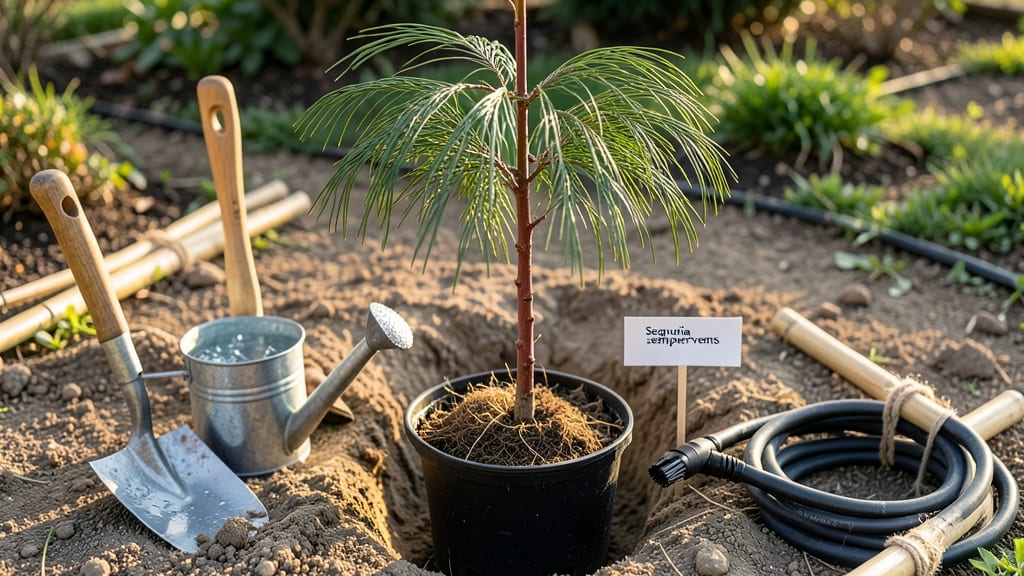
Your backyard could soon host a living monument—how to grow a redwood is the first step toward nurturing a sapling that will one day stretch toward the sky like the giants of California’s forests. 🌲 The thought of growing a tree that might outlive you is thrilling, but redwoods demand respect.
They’re not houseplants; they’re century-long commitments that reward patience with breathtaking height and rugged beauty.
First, check your climate: redwoods thrive in USDA Zones 7-10, where winters stay above 20°F and summers are mild. Your soil needs to be well-draining, acidic (pH 5.0-6.5), and rich in organic matter—think forest floor, not desert sand.
If your yard lacks these conditions, consider a container (yes, even for redwoods!) or a raised bed with amended soil. Space is critical: these trees need at least 30 feet of width to spread their roots and branches.
Start with a 1-2 year old sapling from a reputable nursery—seeds are unreliable for home growers. Plant in early spring, watering deeply to settle the soil around roots, then mulch heavily to retain moisture.
Redwoods hate drought and dry soil, so keep the root zone consistently damp (not soggy) for the first two growing seasons. Prune only to remove dead branches—never to shape, as redwoods grow best when left to their natural form.
The real magic happens over decades. Your redwood will grow 2-3 feet per year in ideal conditions, developing that iconic peeling bark and towering presence. Yes, it’s a long game—but imagine the stories your grandchildren could tell under its shade.
For those without the space, dwarf varieties like Sequoia sempervirens 'Pendula' offer a smaller-scale version of the dream.
📚 In This Guide
- What you need
- Instructions
- Tips and common mistakes
- Wrapping up and next steps
What you need
- ● Redwood seeds or seedlings: Seeds: 5–10 (fresh, untreated, from a reputable supplier—they’re notoriously slow to germinate!)
- ● OR Seedlings: 1–2 (2–3 ft tall, from a nursery specializing in conifers)
- ● Well-draining soil mix: 50% peat moss or coconut coir
- ● 30% perlite or coarse sand
- ● 20% compost (for nutrients)
- ● Large containers or nursery beds: For seeds: 4–6" deep pots with drainage holes
- ● For seedlings: 5–7 gallon containers (or a 4' x 4' x 4' outdoor bed)
- ● Tools: Garden trowel or shovel
- ● Pruning shears (sterilized)
- ● Watering can or hose with gentle spray nozzle
- ● pH test kit (ideal soil pH: 5.5–7.0)
- ● Location: Full sun (6+ hours daily) in USDA Zones 5–9
- ● Space: Minimum 20' wide x 30' tall (redwoods hate being root-bound!)
- ● Seed stratification kit (if starting from seed—mimics winter cold for faster germination)
- ● Mulch (3–4" of wood chips or bark to retain moisture)
- ● Fertilizer: Slow-release, acid-loving plant formula (e.g., 10-10-10)
- ● Shade cloth (for seedlings in hot climates)
- ● Moisture meter (redwoods thrive in consistently damp soil)
Step-by-step instructions for growing a redwood tree
Here’s how to start your own coastal giant—with patience, the right conditions, and these key steps.
🌱 Step 1: Select the Right Redwood Species and Source
Redwoods thrive best as coastal redwoods (Sequoia sempervirens) or giant sequoias (Sequoiadendron giganteum), though the latter prefer mountainous climates. For backyard planting, a 1-3 year-old nursery-grown seedling is your best bet—avoid wild-collected seeds, which take 10+ years to mature. Look for healthy, straight stems with no signs of pest damage or fungal spots. A 5-gallon container-grown specimen is ideal for transplanting, as its roots are already established.
Here’s the thing—redwoods are slow starters. A 10-foot-tall tree might only be 5 years old, so choose a size that fits your space now and your long-term vision. I recommend a 4-6 foot seedling for most backyards, as it balances manageability with growth potential. Buy from a reputable nursery that specializes in conifers—they’ll provide care instructions tailored to your climate.
☀️ Step 2: Prepare the Planting Site for Maximum Growth
Redwoods need full sun to partial shade (6+ hours of direct light daily), but they also appreciate afternoon shade in hotter climates. The soil must be well-draining, slightly acidic (pH 5.5–7.0), and rich in organic matter. Test your soil first—amend with compost or peat moss if it’s heavy clay or overly alkaline. I dig a hole twice as wide as the root ball but only as deep—planting too deep suffocates roots and invites rot.
Redwoods love moisture but hate soggy feet. If your yard drains poorly, raise the planting area by 6–12 inches with a mound of amended soil. Mulch heavily with 3–4 inches of wood chips or bark to retain moisture and regulate temperature. Keep mulch 6 inches away from the trunk to prevent stem rot. Water deeply before planting to settle the soil—this ensures roots make immediate contact with moisture.
🪴 Step 3: Transplant with Care to Minimize Shock
Timing is everything: transplant redwoods in early spring or fall when temperatures are mild (50–70°F). Remove the seedling from its container, then gently loosen the root ball with your fingers—never force it. If roots are circling (a common nursery issue), make 2–3 vertical cuts to encourage outward growth. Place the tree in the hole so the top of the root ball sits 1–2 inches above ground level—settling will occur over time.
Backfill with native soil mixed with 20% compost to encourage root expansion. Water immediately after planting to eliminate air pockets, then firm the soil gently with your hands. Stake only if the tree is taller than 10 feet—younger specimens rarely need support. Water deeply 2–3 times weekly for the first month, then taper to once weekly once new growth appears. Overwatering is the fastest way to kill a redwood—let the top 2 inches of soil dry between waterings.
✂️ Step 4: Maintain with Pruning and Protection
Redwoods are low-maintenance, but they do need annual pruning in late winter to remove dead or crossing branches. Use clean, sharp pruners to make cuts just outside the branch collar—never leave stubs. Focus on structural integrity; redwoods self-prune poorly, so avoid heavy thinning. Fertilize lightly in early spring with a balanced 10-10-10 formula—too much nitrogen promotes weak, disease-prone growth.
Protect young trees from deer, rabbits, and rodents with a 6-foot-tall wire cage for the first year. Redwood bark is tough, but tender shoots are fair game. Monitor for aphids or spider mites, which thrive in dry conditions. A strong spray of water usually dislodges them, but neem oil works for stubborn infestations. Avoid chemical pesticides—they harm beneficial insects and the tree’s natural defenses.
🌿 Step 5: Monitor Growth and Adjust Care
Healthy redwoods grow 2–3 feet per year under ideal conditions, though slower growth is normal. Watch for yellowing needles (a sign of overwatering or nutrient deficiency) or brown tips (usually underwatering or low humidity). Redwoods are drought-tolerant once established, but young trees need consistent moisture. If growth stalls, test soil moisture—dry soil 3+ inches deep means it’s time to water.
After 3–5 years, your redwood should be self-sufficient, though it’ll take decades to reach its full height. Mulch annually to replenish organic matter, and avoid heavy foot traffic near the base—compaction restricts root expansion. With patience, your backyard will host a living monument. Real talk: it’s a marathon, not a sprint, but the payoff is worth every watering.
Tips & tricks for growing coastal redwoods
Growing redwoods from seed isn't just gardening—it's a long-term commitment to nature's grandest architecture. Here's how to maximize your success.
Stratification Insight: The 30-90 day cold stratification period at 35-40°F is non-negotiable for breaking seed dormancy. I've seen gardeners skip this step and wonder why their seeds never sprout—redwood seeds need this cold treatment to mimic winter conditions in their native habitat. Use a refrigerator for precise temperature control, and wrap your bag in a towel to prevent freezing. The damp sand should feel like a wrung-out sponge, not dripping wet.
Seedling Light Management: In Step 2, when you're managing that bright indirect light, remember redwood seedlings hate direct sun at this stage. I learned this the hard way when I accidentally left a seedling in a sunny window—it developed brown patches within days. Use sheer curtains or a north-facing window to filter light. The goal is to keep leaves a vibrant green, not yellowing or crisping at the edges. A grow light on a timer set for 12 hours can help if natural light is insufficient.
Transplanting Strategy: The 12-inch height requirement before transplanting isn't arbitrary—it's about root development. I recommend waiting until you see strong lateral roots spreading from the bottom of the pot. When digging your permanent hole, the twice-as-wide rule prevents root circling, which can strangle growth. Amend heavy clay soil with perlite and compost to improve drainage while maintaining that crucial acidic pH. Think of it as creating a mini-forest floor environment right in your backyard.
Long-Term Growth Hack: For the 1-2 feet annual growth promise, focus on consistent moisture during the first three years—this is when roots establish their deep network. I install a simple drip irrigation system near each tree to deliver water directly to the root zone. The 20°F frost protection threshold is critical; even young trees can suffer damage from prolonged cold. Consider planting near a south-facing wall or using frost blankets during your region's coldest nights to create a microclimate that mimics coastal conditions.
Pro Tips for Grow A Redwood
- Growing redwoods from seed isn't just gardening—it's a long-term commitment to nature's grandest architecture.
- Stratification Insight: The 30-90 day cold stratification period at 35-40°F is non-negotiable for breaking seed dormancy.
- Seedling Light Management: In Step 2, when you're managing that bright indirect light, remember redwood seedlings hate direct sun at this stage.
Frequently asked questions
Got questions about growing your own redwood? Here are some of the most common ones—and their answers—to help you get started on your giant forest journey!
Can I grow a redwood tree from seed?
Yes! Redwoods (Sequoia sempervirens or Sequoiadendron giganteum) can be grown from seeds, but it’s a slow process. Start with fresh, cold-stratified seeds in well-draining soil, and keep them moist in a shaded spot. Germination can take weeks to months. For faster results, consider buying a young sapling from a nursery.
How long does it take for a redwood to grow?
Redwoods are patient giants! Under ideal conditions, they grow about 3–4 feet per year when young, but growth slows as they mature. A 100-foot-tall redwood can take 500–700 years in nature. In your backyard, expect slower growth due to space and climate constraints.
What climate is best for growing redwoods?
Redwoods thrive in cool, humid climates with mild winters (USDA Zones 7–9). They need consistent moisture and protection from harsh sun or wind. If you live in a drier area, mimic their natural foggy habitat with shade and regular watering.
Do redwoods need a lot of space?
Absolutely!
Mature redwoods can reach 300+ feet tall and spread 20–30 feet wide. If space is limited, consider dwarf varieties (like Sequoia sempervirens 'Pendula') or grow them in large containers. Always check local regulations—some areas restrict planting giant trees.
What pests or diseases should I watch for?
Redwoods are generally hardy, but watch for aphids, spider mites, and bark beetles. Fungal issues like Phytophthora can occur in waterlogged soil. Prune affected branches promptly and ensure good airflow. Healthy soil and proper watering reduce risks.
Can I grow a redwood in a container?
Young redwoods can start in large containers (15+ gallons), but they’ll need regular repotting as they grow. Use well-draining soil and keep them near a shaded, sheltered spot. Expect limited height—container-grown redwoods rarely exceed 10–15 feet.
Wrapping up and next steps
Growing a redwood may seem like a dreamy, monumental task—but with the right patience, space, and care, you can nurture these ancient giants right in your backyard! 🌲 From selecting the perfect Sequoia sempervirens sapling to mimicking their coastal habitat, every step brings you closer to a living piece of history.
Remember, these trees thrive over decades, so embrace the journey and celebrate small milestones along the way.
Ready to take the next step? Start by sketching your backyard’s future—mark where your redwood will stand, plan companion plants, and research local climate adjustments. Then, order your sapling today and let the magic begin! 🌱✨