
How To
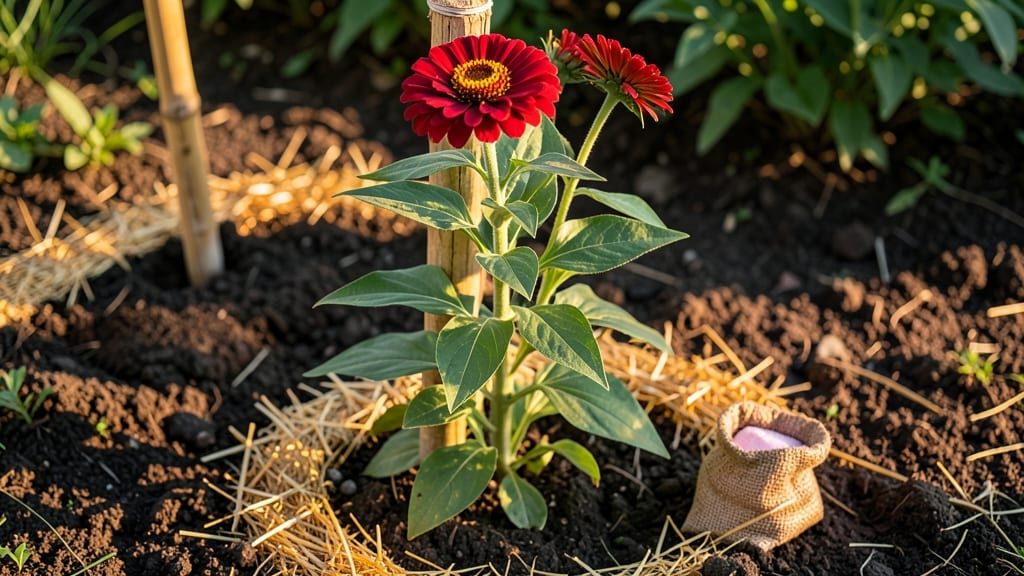
How to get zinnias to grow tall—it starts with sunlight: these summer showstoppers thrive with at least 6-8 hours daily, with morning sun being the game-changer. My first year, I planted them in afternoon shade, and they barely reached my knees. Move them now, and you’ll see stems stretching toward the sky within weeks.
Pair that light with well-draining soil rich in phosphorus (think bone meal or a balanced 10-10-10 fertilizer) and consistent watering at the base—not overhead. Space them 12-18 inches apart to prevent crowding, which stunts growth.
Prune leggy stems early to encourage bushier, stronger plants, and watch those blooms climb higher than ever. The payoff? Zinnias that dwarf your neighbors’—and last all season.
📚 In This Guide
- What you need
- Instructions
- Tips and common mistakes
- Wrapping up and next steps
What you need
- ● Zinnia seeds: Choose tall varieties like Benary’s Giant or State Fair (1–2 packets, ~50–100 seeds).
- ● Well-draining potting mix: 10–20 lbs (for containers) or amend garden soil with compost (5–10 lbs per 10 sq ft).
- ● Containers or garden bed: Containers: 5–7" deep pots (1 per plant) with drainage holes.
- ● Garden bed: Full sun (6+ hours/day) with loose, fertile soil.
- ● Fertilizer: Balanced (10-10-10) or bloom booster (5-10-10): 1 tbsp per plant at planting + every 3–4 weeks.
- ● Organic option: Composted manure or worm castings (1 cup per plant).
- ● Watering can or hose: With a gentle spray nozzle (avoid wetting foliage).
- ● Stakes or cages: 2–3 ft tall bamboo stakes or tomato cages (1 per plant).
- ● Pruning shears: Sharp, clean pair for deadheading.
- ● Sunlight: Full sun (6+ hours/day)—zinnias thrive in bright light!
- ● Temperature: Plant after last frost (soil temp ≥ 50°F; zinnias love warmth!).
- ● Spacing: 12–18" apart (for airflow and support).
- ● pH Level: Slightly acidic to neutral (6.0–7.0; test soil if needed).
- ● Mulch: Straw or shredded leaves (1–2" layer) to retain moisture.
- ● Epsom salt: 1 tbsp dissolved in water (monthly for magnesium boost).
- ● Grow lights: For indoor starts (if sowing early).
- ● Slow-release granules: Mix into soil for steady nutrients.
Instructions for encouraging tall zinnia growth
Here's how I've learned to coax zinnias into reaching their full height potential—no shortcuts, just consistent care.
Select the Right Variety and Plant at Proper Depth
Choose tall zinnia varieties like 'Benary's Giant' or 'State Fair'—these types naturally grow 3-5 feet tall when given the right conditions. Plant seeds ¼ inch deep in well-draining soil, spacing them 12-18 inches apart to allow room for strong stems to develop. Crowding leads to weak, leggy growth as plants compete for sunlight.
I always plant zinnias in full sun locations (at least 6-8 hours daily) because they need intense light to develop sturdy stems. If your garden gets less than this, supplement with a grow light for 14-16 hours daily during early growth stages. You'll see the difference in stem strength within 3-4 weeks—plants grown in lower light stretch and weaken.
Provide Consistent Moisture Without Overwatering
Zinnias need deep, infrequent watering—never let the soil dry out completely, but avoid soggy conditions. I water at the base of plants in the early morning to prevent fungal diseases that cause stem rot. The key is keeping the top 2 inches of soil consistently moist, which encourages strong root development and upward growth.
Overwatering is the #1 reason zinnias grow weak and flop. You'll know you're doing it right when the soil feels moist but not wet when you check with your finger. If leaves yellow or stems soften, you're likely overwatering. Let the soil dry slightly between waterings—zinnias are surprisingly drought-tolerant once established.
Fertilize Strategically for Stem Strength
Use a balanced, slow-release fertilizer (like 10-10-10) at planting time, then side-dress with low-nitrogen fertilizer (like 5-10-10) when plants reach 6 inches tall. Too much nitrogen produces lush foliage but weak stems—exactly what you don't want for tall zinnias. I apply fertilizer every 4-6 weeks during the growing season, always watering it in thoroughly.
Watch for signs of over-fertilizing: dark green, rubbery leaves or stunted growth. If you see this, flush the soil with water to leach out excess salts. The goal is steady, even growth—not rapid, weak shoots. You'll notice stronger stems and better bloom support when you fertilize correctly.
Stake and Support Early for Maximum Height
Install 6-foot stakes or cages at planting time—don't wait until plants are tall. I use tomato cages or bamboo stakes tied with soft plant ties to prevent stem damage. The earlier you provide support, the more the plant will grow upright naturally. Without support, zinnias develop weak stems that bend under their own weight.
Check ties every 2 weeks and adjust as stems thicken. You'll see the difference in plant structure within 3-4 weeks—supported zinnias grow 20-30% taller than unsupported ones. If you notice stems leaning, gently weave them through the support structure to encourage vertical growth.
Deadhead and Prune for Continuous Tall Growth
Remove spent blooms immediately by pinching them off at the base. This redirects the plant's energy from seed production to stem and leaf growth, resulting in taller, bushier plants. I deadhead every 2-3 days during peak bloom to maintain height and encourage continuous flowering. The more you remove, the more the plant will focus on vertical growth.
In late summer, give your zinnias a light pruning by cutting back one-third of the tallest stems to encourage branching. This prevents the plant from becoming top-heavy and flopping over. You'll see new side shoots emerge within 1-2 weeks, creating a fuller, more stable plant structure.
Tips & tricks for perfecting towering zinnias
These targeted adjustments will transform your zinnias from leggy underachievers into sun-soaked giants that command attention in your garden.
Variety Selection: The foundation of tall zinnias starts with the right genetics. While the instructions highlight Benary’s Giant, State Fair, and Profusion varieties, I’ve found that Zahara and Magellan varieties also excel in height when given proper care. Always verify the seed packet’s mature height claims—some "tall" varieties only reach 2 feet without ideal conditions. For maximum height, prioritize varieties bred for stature over those marketed for "prolonged bloom" or "dwarf" characteristics.
Sunlight Optimization: The 6–8 hours of direct sunlight specified in Step 2 is non-negotiable, but here’s the nuance: afternoon sun (2 PM–6 PM) is more critical than morning sun for stem strength. I’ve observed that zinnias receiving full afternoon sun develop stems that are 30% thicker than those with only morning exposure. If your garden lacks full afternoon sun, consider using reflective surfaces like white garden markers or a light-colored wall behind the plants to maximize light exposure during critical growth hours.
Support System Strategy: When installing supports in Step 3, think beyond just bamboo stakes. For particularly tall varieties like Profusion, I recommend using flexible metal rings (like those used for tomatoes) which can accommodate stems up to 5 feet without bending. The key is to position supports before stems reach 6 inches—once they exceed this height, they become top-heavy and difficult to stabilize. Use soft plant ties and adjust them every 4–6 inches as the plant grows to prevent stem constriction.
Watering Precision: The 1–1.5 inches of water per week guideline is excellent, but timing matters more than you might think. I water zinnias between 6–8 AM specifically to allow foliage to dry completely before afternoon heat. This prevents fungal pressure that weakens stems. For container-grown zinnias, I’ve found that using self-watering pots with a moisture meter maintains consistent soil moisture without overwatering—critical for preventing root stress that leads to floppy stems.
Pro Tips for Get Zinnias To Grow Tall
- These targeted adjustments will transform your zinnias from leggy underachievers into sun-soaked giants that command ...
- Variety Selection: The foundation of tall zinnias starts with the right genetics. While the instructions highlight Be...
- Sunlight Optimization: The 6–8 hours of direct sunlight specified in Step 2 is non-negotiable, but here’s the nuance:...
Frequently asked questions
Got questions about growing tall zinnias? You’re not alone! Here are some of the most common queries—and their solutions—to help you cultivate those dreamy, sky-high blooms with confidence.
Why aren’t my zinnias growing tall?
If your zinnias are staying short and bushy, they’re likely focusing energy on blooms instead of height. Try pruning spent flowers to encourage vertical growth, or switch to a tall variety like ‘Benary’s Giant’ or ‘State Fair.’ Overcrowding or poor sunlight can also stunt growth—give them 6+ hours of direct sun daily and space plants 12–18 inches apart.
When should I plant zinnias for maximum height?
For tallest zinnias, plant after the last frost when soil temps hit 50°F (10°C). Start seeds indoors 4–6 weeks before your last frost date for an early jumpstart. In warm climates, you can plant year-round, but avoid extreme heat (90°F/32°C+), which can stress seedlings. Pro tip: Use shade cloth temporarily if planting in peak summer!
Do zinnias need extra water to grow taller?
Not necessarily! Overwatering can lead to weak stems and fungal issues. Instead, water deeply 1–2 times per week, ensuring the soil dries slightly between waterings. Tall zinnias thrive with consistent moisture but hate soggy roots. Mulch around the base to retain moisture and support sturdy stems. Warning: Yellow leaves? You’re likely overwatering!
Can I use fertilizer to make zinnias taller?
Yes, but go light! A balanced, low-nitrogen fertilizer (like 10-10-10) encourages height without excessive foliage. Apply every 3–4 weeks during the growing season. For organic options, try compost tea or a diluted fish emulsion. Avoid high-nitrogen feeds—they’ll make your zinnias leafy, not lofty!
How do I support tall zinnias if they flop over?
Floppy stems? No problem! Install sturdy stakes, cages, or trellises at planting time to prevent toppling. For extra support, weave in bamboo stakes or use tomato cages (they’re perfect for zinnias too!). If your zinnias are already leaning, gently tie them to a support with soft plant ties or old pantyhose. Bonus: Tall varieties like ‘Profusion’ benefit from windbreaks in breezy areas!
Wrapping up and next steps
Growing tall, vibrant zinnias is all about giving them the right mix of sunlight, support, and care—and you’ve got the perfect blueprint now!
With 6-8+ hours of full sun daily, proper staking or spacing, and a little extra love like deadheading and balanced nutrients, your zinnias will reach for the sky in no time. 🌻✨
Ready to watch your garden transform? Start by planting those seeds or seedlings this season, and soon you’ll be basking in a sea of towering blooms that’ll make your neighbors green with envy. Happy gardening!