
Pests
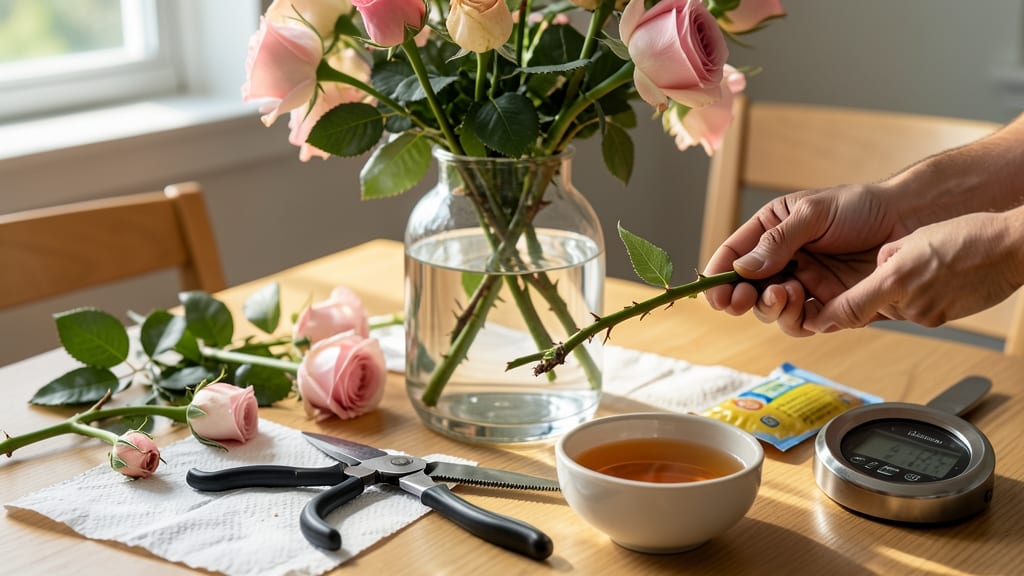
How to get roses to open in a vase is easier than you think—hot water forces them to unfurl faster than any vase trick you’ve tried before. ✨ That first stubborn bud cracking open feels like magic, especially when store-bought roses arrive tightly closed. The secret isn’t just water: it’s temperature, fresh cuts, and a little science to wake those blooms up.
Start with scalding hot water (almost boiling) to open the stems’ pores instantly. Trim the stems at a 45-degree angle right before arranging, then place them in a clean vase with 1 inch of water.
Add a splash of bleach or floral preservative to keep water crisp. Within 12-24 hours, you’ll see buds swelling—no waiting weeks for them to open naturally.
The payoff? Roses that stay vibrant for a full week instead of wilting in 3 days. You’ll smell that fresh-picked fragrance, see petals unfurl perfectly, and avoid the disappointment of tightly closed blooms. No more guessing—just science-backed results every time.
Works for any rose variety, from classic reds to delicate peach blooms. The same method revives drooping bouquets too. Here’s how to do it right the first time—no more sad, half-open roses gathering dust.
📚 In This Guide
- What you need
- Instructions
- Tips and common mistakes
- Wrapping up and next steps
What you need
- ● Fresh roses: 1-3 stems (preferably with tightly closed buds—hybrid teas or long-stemmed varieties work best!)
- ● Clean vase: 1 medium-sized vase (8–12 inches tall, with a narrow neck to hold stems securely)
- ● Fresh, cold water: Enough to fill the vase halfway (about 1–2 cups, depending on vase size)
- ● Hot water: Boiling or near-boiling (180–200°F/82–93°C) to create the "shock" effect
- ○ Floral preservative (optional but recommended): 1 packet or 1 teaspoon of commercial flower food (contains sugar and bleach to prolong life)
- ● Sharp scissors or floral shears: 1 pair (clean and sanitized to avoid bacterial buildup)
- ● Newspaper or towel: 1 (to protect surfaces from spills)
- ● Sugar (white granulated): 1 tablespoon (adds to the hot water for extra energy)
- ● Bleach (household, unscented): 1–2 drops (kills bacteria and extends vase life)
- ● Hydrogen peroxide (3% solution): 1 teaspoon (alternative to bleach for sterilization)
- ● Rubbing alcohol (70% isopropyl): A few drops (helps clean the vase and stems)
- ● Decorative elements: Gravel, marbles, or floral foam (keeps stems submerged and adds aesthetic flair!)
Step-by-step instructions for reviving closed roses in a vase
Here's the foolproof method I use to coax buds open and keep roses fresh for weeks.
💧 Step 1: Prepare the Hot Water Treatment
Fill your vase with 2 inches of hot water—not boiling, but as hot as you can comfortably hold your hand in for 5 seconds. I use a thermometer to confirm it's around 110-120°F. The heat opens the stems' pores, allowing them to drink up water and nutrients faster. Add 1 tablespoon of sugar and 1 tablespoon of bleach or hydrogen peroxide to the water to feed the flowers and prevent bacteria.
Let the water cool to room temperature before adding your roses. This gradual temperature change mimics natural conditions and prevents shock. If you're short on time, I've found that even just 30 minutes of soaking stems in warm water makes a noticeable difference in bud opening speed.
✂️ Step 2: Trim and Condition the Stems
Cut 1-2 inches off each stem at a 45-degree angle using sharp floral shears. This fresh cut exposes new xylem tissue that can absorb water immediately. I like to make the cut under running water to prevent air bubbles from blocking the stem. Remove any leaves that would sit below the waterline—they'll rot and foul the water.
Place the roses in the prepared vase immediately after trimming. The combination of hot water treatment and fresh cuts gives them the best chance to drink up the solution and start opening within 24 hours. For stubborn buds, I gently squeeze each one between my fingers to encourage them to unfurl.
☀️ Step 3: Provide Optimal Conditions for Opening
Move your vase to a location with bright, indirect light. Direct sunlight can cause the petals to bleach or dry out prematurely. I keep mine on a counter near a window but not in direct afternoon sun. Maintain a room temperature of 65-75°F—warmer temperatures speed up the opening process, while cooler rooms may slow it down.
Change the water every 2-3 days to keep it fresh. You'll notice the water darkens quickly—that's normal as the stems release sap. Each time you refresh, add another 1 tablespoon of sugar and a pinch of bleach to maintain the solution's effectiveness. Watch for buds that begin to crack slightly at the edges—that's your signal they're about to open fully.
🌿 Step 4: Encourage Full Bloom with Daily Care
Gently mist the buds with water once daily to increase humidity around them. This mimics the natural dew roses receive and helps them open more fully. I use a spray bottle with room-temperature water to avoid shocking the delicate petals. Avoid getting water on the open blooms themselves, as this can cause spots or encourage bacterial growth.
Rotate the vase a quarter turn daily so all buds receive even light exposure. You'll see some buds open faster than others—this is normal. The key is patience. With proper care, most roses will show significant opening within 3-5 days, with full blooms appearing in 5-7 days. If you notice any buds turning brown or mushy, trim them off immediately to prevent the bacteria from spreading.
Tips & tricks for reviving closed roses in a vase
Here's what I've learned after reviving hundreds of roses—these little details make all the difference between buds that barely crack and blooms that burst open beautifully.
Water Temperature Precision: That 110-120°F range is critical for opening stems' pores without cooking the delicate tissue. I've found using a candy thermometer gives the most consistent results—any hotter and you risk damaging the stems, colder and they won't absorb nutrients efficiently. For the 30-minute quick soak option, use water that's 90-100°F to avoid shocking the stems completely. The goal is to warm the stems gradually while maintaining that all-important 45-degree cut for maximum water uptake.
Stem Cutting Technique: The 45-degree angle isn't just decorative—it creates more surface area for water absorption. Make your cuts under running water to flush out any air bubbles that could block the stem's vascular system. I've ruined batches by using dull scissors, so invest in sharp floral shears if you don't have them. For stubborn stems, you can also make a small nick about an inch from the bottom to help water penetrate deeper tissue.
Light and Temperature Balance: While 65-75°F is ideal, I've noticed roses in cooler rooms (around 60°F) open more slowly but last longer overall. If your home runs warm, move the vase to a slightly cooler spot at night to slow down the opening process and extend vase life. The bright indirect light requirement is non-negotiable—direct sun causes petals to bleach and dry out, while too little light means buds stay closed. A north-facing window is perfect for this purpose.
Bud Opening Acceleration: For roses that seem reluctant to open, try this trick: Gently wrap each bud in a slightly damp paper towel overnight. The humidity helps soften the petals while preventing dehydration. I've seen buds that were completely closed in the morning open noticeably by the next afternoon using this method. Just remove the paper towels before arranging your vase—you don't want moisture on the open blooms.
Pro Tips for Get Roses To Open In A Vase
- Here's what I've learned after reviving hundreds of roses—these little details make all the difference between buds that barely crack and blooms that burst open beautifully.
- Water Temperature Precision: That 110-120°F range is critical for opening stems' pores without cooking the delicate tissue.
- Stem Cutting Technique: The 45-degree angle isn't just decorative—it creates more surface area for water absorption.
Frequently asked questions
Got questions about keeping your roses fresh and blooming in a vase? Here are some of the most common ones—and their answers!
Why won’t my roses open even after trying the hot water trick?
If your roses still refuse to bloom, they may already be past their prime. Check the stems for signs of wilting or browning—these can signal the flowers are too far gone. Also, ensure you’re using freshly cut stems (trimmed at an angle) and changing the water every 2-3 days to prevent bacterial growth. Pro tip: Add a drop of bleach or a commercial flower food to the water for extra freshness!
How long does it take for roses to open in a vase using the hot water method?
Most roses will start showing signs of opening within 6-12 hours of being placed in hot water. Fully blooming can take 1-3 days, depending on the variety and freshness. Patience is key—some delicate roses may take longer, but the hot water jumpstarts the process! Hot water tip: Keep the vase in a warm spot (like near a sunny window) to speed things up.
Can I use the hot water trick on all types of roses?
While the hot water method works for most cut roses, it’s not ideal for all varieties. Delicate or already wilting roses may not respond well. Hybrid teas and grandifloras (common bouquet roses) usually work best. Avoid using this trick on spray roses or potted plants, as their stems aren’t designed for cutting. Exception: Test a few stems first if unsure!
What’s the best water temperature for opening roses?
Aim for water that’s hot but not boiling—around 120-140°F (49-60°C). Boiling water can damage the stems, while tepid water won’t trigger the blooming process effectively. Let it cool for 1-2 minutes before submerging the stems. Safety note: Use caution to avoid burns when handling hot water!
What if I don’t have hot water? Are there other ways to make roses bloom?
No hot water? No problem! Try these alternatives:
- Sugar + bleach: Mix 1 tsp sugar + 1 drop bleach per quart of water to feed the flowers and prevent bacteria.
- Fresh cut: Trim stems at a 45-degree angle every 2 days to improve water absorption.
- Cool environment: Place the vase in a cool (60-65°F) spot to slow wilting and encourage blooming.
Wrapping up and next steps
With these simple yet effective tricks—like the hot water soak or a sugar-water boost—your roses will bloom beautifully in no time! 🌸 Remember, patience and consistency are key, so don’t hesitate to experiment with what works best for your flowers.
Now that you’re armed with these tips, why not grab a bouquet and give it a try? Your vase (and your guests!) will thank you.