
How To
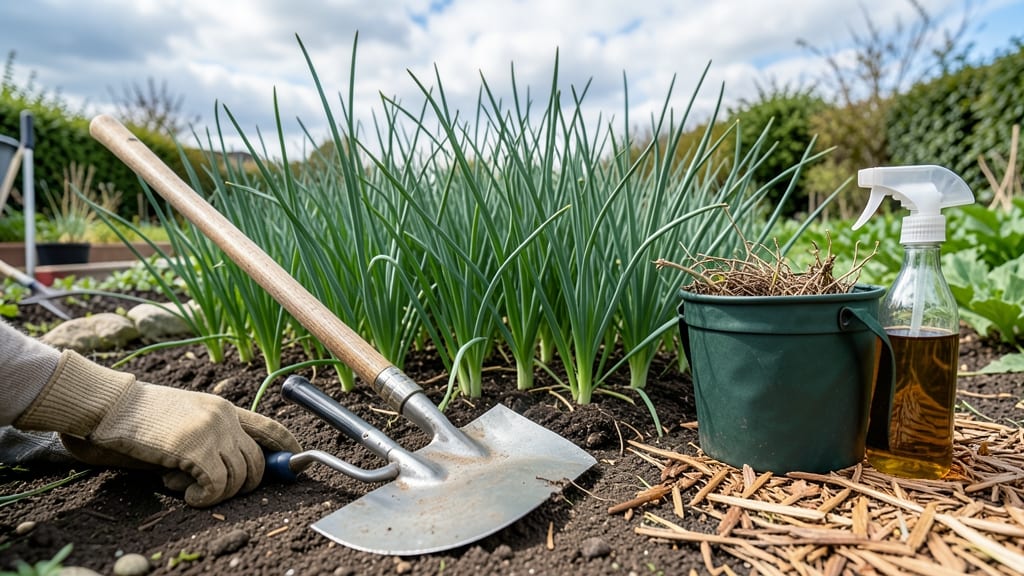
How to get rid of yard onions—those garden’s sneaky invaders—thinning out grass, crowding flowers, and returning every season like an uninvited guest. 🌱 I’ve spent years wrestling with these stubborn perennials, and the boiling water barrier method is the fastest way I’ve found to smother their roots without digging up your whole lawn. The secret lies in targeting the deep, tangled root systems that regrow from even tiny fragments. Most methods fail because they miss the roots, leaving behind a new infestation in weeks. But boiling water cuts through that cycle, killing the entire plant—roots and all—in one treatment. You’ll see results within days, with no chemical residue or harm to your lawn’s soil structure. This method works best in early spring or fall when the plants are actively growing but not yet seeding. The process is simple: boil water, pour carefully along the base, and watch as the onions wilt within hours. By the next day, you’ll be pulling up crisp, dead plants instead of fighting a never-ending cycle of regrowth. For larger areas, repeat the treatment every 2-3 weeks until the ground stays clear. The key is patience—it takes time to break the root system completely, but the payoff is a lawn free of these tenacious weeds for good. No more hidden surprises when you mow!
Root Causes Of Yard Onions
Yard onions—those stubborn, unwanted green shoots that pop up in your lawn or garden—don’t just appear out of nowhere. They’re often the result of a mix of natural behaviors, environmental conditions, and even human activity.
Understanding why they take over is the first step to stopping them. Let’s break down the science behind these pesky invaders.
One of the most common reasons yard onions (like wild onions or Allium vineale) spread is through seed dispersal. These plants produce tiny, lightweight seeds that hitchhike on the wind, water, or even animals.
A single mature onion plant can release hundreds of seeds, which scatter easily into lawns, gardens, and even cracks in pavement. Once they land in moist, sunny soil, they germinate quickly—often within days.
💡 Pro Tip: If you’ve noticed clusters of onions in one spot, chances are seeds from a nearby plant (or even a neighbor’s yard) blew in and took root. Wind patterns, birds, and even mowing equipment can accelerate this spread.
Unlike annual weeds that die back in winter, onion bulbs are perennial, meaning they survive year after year. Even if you pull up the green shoots, the bulb—often just an inch or two below the surface—can regrow if left undisturbed.
These bulbs can also fragment when tilled or dug, creating multiple new plants from a single original bulb.
🔍 Key Insight: A single onion bulb can produce 3-5 new shoots in a season if conditions are right (warmth, moisture, and sunlight). That’s why even a small patch can explode into a full-blown invasion.
Yard onions thrive in well-drained, fertile soil with full sun exposure. If your lawn or garden has:
- Compacted or disturbed soil (from foot traffic, construction, or digging)
- High nitrogen levels (common in lawns fertilized with grass-specific feeds)
- Moisture without proper drainage (they hate soggy conditions but love consistent dampness)
These conditions create the perfect storm for onion bulbs to sprout, multiply, and spread aggressively. Ironically, over-fertilized lawns—meant to keep grass lush—often accelerate onion growth because they provide excess nutrients.
🌡️ Temperature Matters: Onions germinate best in soil temps between 60°F and 75°F. If your area has mild winters, they may grow year-round, making them harder to control.
Sometimes, we’re the reason onions take over! Here’s how:
| Activity | How It Spreads Onions |
|---|---|
| Mowing | Blades can chop onion tops, but the roots often regrow stronger—and the mower’s movement may spread seeds or buried bulbs. |
| Tilling or Digging | Breaks up bulbs, causing them to fragment and multiply. A single bulb can become dozens of new plants. |
| Composting Garden Waste | If onion tops or bulbs end up in compost, they can survive and sprout in new areas when the compost is spread. |
| Using Contaminated Soil | Store-bought topsoil or mulch may contain dormant onion seeds or bulbs, especially if sourced from areas with wild onion problems. |
✨ Prevention Tip: If you’re dealing with an onion infestation, avoid tilling and consider hand-pulling (with roots!) instead. And always inspect soil amendments before using them.
Onions don’t respect property lines. If your neighbors have an onion problem, their seeds can easily drift into your yard via wind, water runoff, or even lawn equipment.
Some onion varieties (like Allium vineale) are so aggressive that they can outcompete grass, turning patches of your lawn into a sea of green stems.
🗣️ Community Action: If onions are widespread in your area, consider coordinated treatment—like a local "pull day"—to reduce the seed bank across multiple properties.
Quick Fixes for Stubborn Yard Onions
Tired of those pesky wild onions popping up in your yard like uninvited guests? The good news is that with the right approach, you can banish them for good—without resorting to harsh chemicals.
Below, we’ve mapped out practical, effective solutions tailored to the most common causes of yard onion infestations. Plus, we’ll share prevention tips to keep your lawn onion-free long-term.
If your yard onions are young, small, or scattered, pulling them by hand is the simplest and most eco-friendly method.
Step-by-Step Guide:
- 🌱 Identify the Right Time
- Pull onions after a light rain when the soil is soft and moist (they’ll come out easier!).
- Early morning or late afternoon works best—soil is damp, and onions are less likely to be disturbed by foot traffic.
- 👨🍳 Loosen the Soil
- Use a hand trowel or fork to gently loosen the soil around the onion bulbs. This helps expose the roots without damaging nearby plants.
- 🔪 Grasp and Twist
- Hold the base of the onion (where the leaves meet the bulb) and twist firmly while pulling upward.
- Aim for the entire root system—even a tiny piece left behind can regrow!
- 🗑️ Dispose Properly
- Do NOT compost the pulled onions (they’ll just regrow!). Instead, bag them and toss in the trash or burn them if possible.
💡 Pro Tip:
- Wear gloves—onion sap can irritate skin, and some wild onions (like garlic chives) have a strong scent that lingers on hands.
For deep-rooted or stubborn clusters, boiling water is a chemical-free, effective way to kill onions without harming your lawn.
How to Apply:
- 🔥 Prepare the Solution
- Boil 1 gallon of water (or more, depending on the infestation size).
- Let it cool slightly (but keep it hot enough to kill roots—aim for 180°F+).
- 💦 Pour Directly Over Onions
- Use a pitcher or watering can to pour the boiling water directly onto the onion foliage and soil.
- Focus on the base of the plant where the bulb is hidden.
- 🌱 Cover with Mulch (Optional)
- After treatment, cover the area with mulch or cardboard to block sunlight and prevent regrowth.
- Reapply boiling water if new shoots appear.
⚠️ Safety Note:
- Avoid pouring boiling water near desirable plants—it can scald them too!
- Test on a small area first if your lawn has sensitive grass.
If you prefer a non-boiling, liquid treatment, a vinegar-based solution works well for small to medium infestations.
DIY Recipe:
| Ingredient | Amount | Purpose |
|---|---|---|
| White vinegar (20% acetic acid) | 1 gallon | Kills weeds by burning foliage |
| Dish soap (optional) | 1 tbsp | Helps the vinegar stick to leaves |
| Water | 1 cup (if needed) | Dilutes for less aggressive use |
Application Steps:
- 🍶 Mix the Solution
- Combine vinegar and soap in a spray bottle or garden sprayer.
- For tougher weeds, use undiluted vinegar (but avoid spraying on windy days).
- 🌿 Spray on a Sunny Day
- Apply directly to onion leaves (avoid desirable plants!).
- Reapply every 3-5 days until the onions wilt and die.
- 🔄 Pull Remaining Roots
- After 1-2 weeks, the onions should be easier to pull—dig them out completely.
💡 Pro Tip:
- Add salt (1 cup per gallon) for extra potency, but only use on driveways or non-plant areas—salt harms soil fertility.
For large patches or persistent regrowth, smothering cuts off sunlight and oxygen, forcing onions to die.
How to Smother Effectively:
- 📦 Cover with Cardboard or Newspaper
- Lay down thick layers of cardboard, newspaper, or black plastic over the infested area.
- Secure edges with rocks or mulch to prevent wind from lifting it.
- 🌱 Leave for 4-6 Weeks
- Onions cannot survive without sunlight—this method works best in hot, dry weather.
- Check periodically and remove any sprouts that appear.
- 🔄 Remove and Replace Soil (Optional)
- After smothering, dig up the area, remove all onion debris, and add fresh topsoil to prevent regrowth.
💡 Pro Tip:
- Combine with mulch—after smothering, add a 2-3 inch layer of wood chips or straw to keep weeds down long-term.
Once you’ve eliminated the current infestation, prevent future growth with these long-term strategies:
- 🌱 Improve Soil Health
- Onions thrive in poor, compacted soil. Aerate your lawn and add compost to make it less hospitable.
- 🌿 Regular Mowing
- Keep grass tall (3-4 inches)—this shades the soil, making it harder for onion seeds to germinate.
- 🔍 Hand-Pull New Sprouts Early
- Weekly checks in spring and fall can stop onions before they take root.
- 🛡️ Use Landscape Fabric
- In garden beds or high-risk areas, lay landscape fabric before adding mulch to block weed seeds.
- 🌽 Plant Competitive Ground Covers
- Clover, creeping thyme, or moss outcompete onions for space and nutrients.
Yard onions are tenacious, but with combination methods (manual removal + boiling water + smothering), you can eliminate them permanently. Start with the most affected areas, then maintain prevention habits to keep your lawn lush and onion-free!
Which method will you try first? 🚜💦🌱
Frequently asked questions
Why do yard onions keep coming back even after I pull them?
Onions have deep, tangled root systems and perennial bulbs that can regrow from even small fragments. If you leave any part of the bulb or roots in the soil, it will sprout again within weeks. Always pull from the base and remove the entire root system to prevent regrowth.
Is boiling water safe for my lawn or garden plants?
Boiling water targets only the onions if applied carefully. However, it can scald nearby plants, so avoid pouring near desirable vegetation. Test a small area first, and focus treatments on bare soil or between plants where onions are concentrated. The heat kills weeds without harming soil structure.
How can I tell if what I'm pulling is a wild onion or a beneficial plant?
Wild onions (like Allium vineale) have hollow, round stems and a strong onion/garlic scent when crushed. Ornamental onions (like chives or garlic chives) have solid stems and are often planted intentionally. If you're unsure, check the bulb—wild onions have paper-thin skins, while cultivated varieties have protective layers.
Will vinegar really kill yard onions, or is it just a temporary solution?
Vinegar works by burning foliage and disrupting the plant's ability to photosynthesize, but it won't kill deep bulbs alone. For best results, combine vinegar treatment with hand-pulling the weakened roots 1-2 weeks later. Undiluted vinegar (20% acetic acid) is most effective, but avoid spraying on windy days to prevent drift to desirable plants.
How long does it take to completely eliminate an onion infestation?
With consistent treatment, you'll see visible results in 2-4 weeks, but complete eradication can take 3-6 months for severe cases. The key is persistence—reapply boiling water or vinegar every 2-3 weeks and remove any new shoots immediately. Smothering methods may take longer (4-6 weeks) but are more thorough for large areas.