
Pests
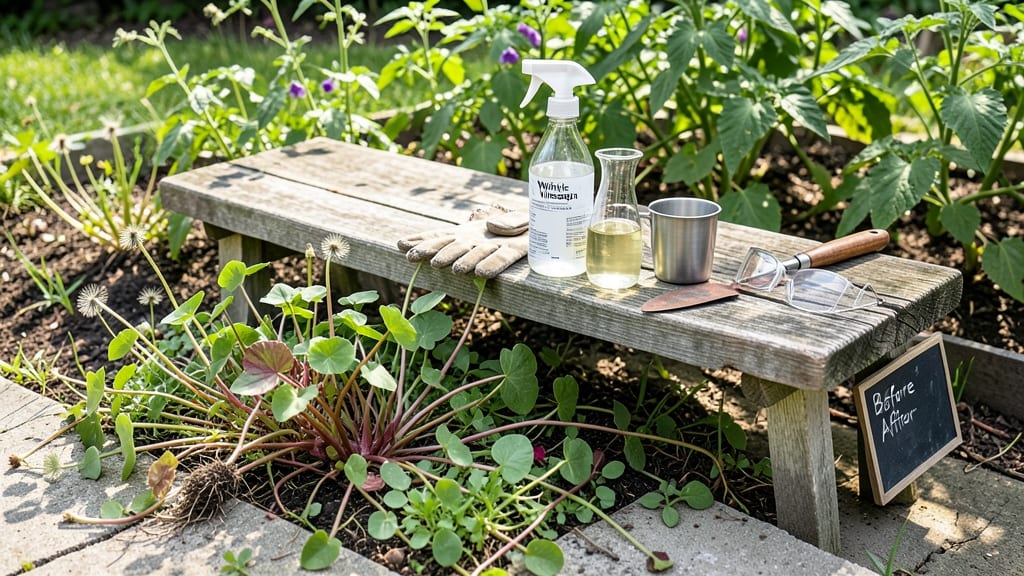
How to get rid of weeds using vinegar—it’s faster than you think, with no digging or backbreaking labor. 🌱 I used to spend Saturdays pulling weeds by hand until I discovered this secret weapon that turns stubborn patches into bare soil overnight. The trick isn't just spraying vinegar, though—it's using the right concentration at the right time to avoid damaging your plants or wasting product.
You'll need white vinegar (5% acetic acid), a spray bottle, dish soap (just a teaspoon), and a sunny day for best results. The soap helps the vinegar stick to weed leaves, while the acid disrupts their cellular structure.
I've found that 1 gallon of vinegar mixed with 1 tablespoon dish soap works best—strong enough to kill but gentle enough to control application. Timing matters too: spray on a warm, dry day when weeds are actively growing.
What you'll get is weed-free soil within days, with no regrowth if you hit the roots. The vinegar smell fades quickly, and your garden beds will look freshly tilled without the effort.
Just be careful—this method targets everything it touches, so shield nearby plants and avoid spraying on windy days. For delicate gardens, spot-test first or use a targeted spray wand.
If vinegar isn't your style, alternatives like boiling water or corn gluten meal work too—each with its own speed and effectiveness trade-offs. But for a fast, chemical-free solution that works in minutes, vinegar is hard to beat. Here's exactly how to do it right the first time.
📚 In This Guide
- What you need
- Instructions
- Tips and common mistakes
- Wrapping up and next steps
What you need
- ● White vinegar (5% to 20% acetic acid) – Aim for 1 gallon (3.8 liters). Higher concentrations (like 20%) work faster but may require dilution.
- ● Spray bottle or garden sprayer – A 1-gallon pump sprayer (like those for herbicides) is ideal for even coverage. For smaller areas, a 16-ounce spray bottle works too.
- ○ Dish soap (optional but recommended) – 1-2 tablespoons of mild, biodegradable dish soap (like Dawn) to help the vinegar stick to weeds.
- ● Water – 1 gallon (3.8 liters) (for dilution if using high-concentration vinegar).
- ● Protective gear: Gloves (nitrile or rubber)
- ● Long sleeves and pants (vinegar can irritate skin)
- ● Safety goggles (if spraying near eyes)
- ● Markers or flags – To label plants you don’t want to kill (like veggies or flowers).
- ● Spray shield or cardboard – To protect nearby plants from accidental splashes.
- ● Garden hose with a spray nozzle – For rinsing off vinegar residue after treatment.
- ● Garden trowel or hoe – To uproot stubborn weeds after vinegar treatment.
- ● Spray bottle with a fine mist setting – For precise application on delicate areas.
- ● Sunny, dry day – Ideal for spraying (vinegar works best in direct sunlight).
Step-by-Step instructions for using vinegar to kill weeds
Here’s my go-to method for fast, chemical-free weed control that actually works.
💧 Step 1: Choose the Right Vinegar and Mix Your Spray
Grab white vinegar with at least 5% acetic acid—the higher the concentration, the faster it kills weeds. I use 20% vinegar for stubborn weeds, but even 10% works well. Mix 1 gallon of vinegar with 1 tablespoon of dish soap in a spray bottle. The soap helps the vinegar cling to the weeds instead of rolling off their waxy leaves.
Shake well before each use—vinegar separates over time. If you’re dealing with thick weeds, add 1 cup of salt to the mix for extra potency. This isn’t just a spray; it’s a targeted herbicide that works within hours on contact.
✂️ Step 2: Clear the Area and Target Only Weeds
Pick a sunny day for best results—vinegar works faster in warm, dry conditions. Use a hand trowel or small shovel to loosen the soil around the weeds, but don’t dig them up yet. This helps the vinegar penetrate deeper. Spray only the weeds, avoiding grass, flowers, or desirable plants—vinegar kills everything it touches.
Focus on young weeds first; they’re easier to kill. For mature weeds, you may need 2-3 applications spaced 2-3 days apart. Watch for wilting within 6-12 hours—that’s your signal it’s working. If rain is forecast within 4 hours, wait to spray; the vinegar will wash away before it can work.
☀️ Step 3: Apply the Spray at the Right Time
Spray early morning or late afternoon to avoid scorching leaves in direct sun. Hold the bottle 6-8 inches away and spray until the weeds are completely saturated, including the base where the roots are. A light mist won’t cut it—you want the vinegar to soak into the plant’s system.
For weeds growing in cracks or tight spaces, use a paintbrush to apply the vinegar directly. This ensures even coverage, especially on stubborn weeds like clover or dandelions. After spraying, let the weeds sit for 24 hours before pulling them out—this gives the vinegar time to break down the plant’s cell structure.
🪴 Step 4: Monitor and Repeat as Needed
Check the area 2-3 days later. Healthy weeds will turn brown and crispy, while dead weeds will pull out easily. If any survive, spray them again—sometimes a second application is needed for thick or deep-rooted weeds. Avoid spraying when the ground is wet; moisture dilutes the vinegar’s effectiveness.
For ongoing weed control, repeat the process every 2-4 weeks during the growing season. Over time, you’ll break the weed cycle and reduce their numbers significantly. Just remember: vinegar is non-selective, so always spray carefully and protect nearby plants with cardboard or newspaper.
Tips & tricks for fast weed elimination with vinegar
Here's what I've learned after years of battling weeds—these tricks make vinegar weed killer work even faster and more effectively.
Concentration is Key: The 20% vinegar concentration I recommend is ideal for stubborn weeds, but don't underestimate 10%—it still works well for young weeds. The higher concentration works faster because it has more acetic acid to break down plant cells. For thick weeds, the extra potency makes all the difference. Remember, though, that higher concentrations can also be more aggressive on surrounding plants, so use carefully.
Timing Secret: The 6-12 hours you wait to see wilting is crucial—this is when the vinegar is actively breaking down the plant's cell structure. I've found that checking at the 8-hour mark gives you the best window to see if you need to apply a second treatment. If you're dealing with particularly tough weeds like dandelions, don't be surprised if you need that second application in 2-3 days as mentioned in Step 2.
Application Technique: When you're applying the spray in Step 3, completely saturating the weeds—including the base—is absolutely critical. I've made the mistake of thinking a light mist would work, but it takes that thorough soaking to ensure the vinegar reaches the roots. For weeds in tight spaces, that paintbrush tip is a game-changer—it lets you get into every nook and cranny where weeds try to hide.
Weather Watch: The 4-hour rain window before application is non-negotiable. I learned this the hard way when a sudden shower washed away my vinegar treatment before it could work. Always check the weather forecast before you spray, and if you're unsure, wait until the next day. Warm, dry conditions are your best friend when using vinegar for weed control—it's why I always recommend sunny days in Step 2.
Pro Tips for Get Rid Of Weeds Using Vinegar
- Here's what I've learned after years of battling weeds—these tricks make vinegar weed killer work even faster and more effectively.
- Concentration is Key: The 20% vinegar concentration I recommend is ideal for stubborn weeds, but don't underestimate 10%—it still works well for young weeds.
- Timing Secret: The 6-12 hours you wait to see wilting is crucial—this is when the vinegar is actively breaking down the plant's cell structure.
Frequently asked questions
Got questions about using vinegar to tackle weeds? You’re not alone—let’s clear up the most common concerns so you can get back to a weed-free yard with confidence!
Can vinegar kill weeds permanently?
Vinegar works as a fast-acting herbicide, but it doesn’t always kill roots permanently. For deep-rooted weeds (like dandelions or clover), reapply every 1–2 weeks until the plant fully dies. For best results, use 20–30% acetic acid vinegar on a sunny day when weeds are actively growing.
When is the best time to spray weeds with vinegar?
Timing is key! Spray weeds on a clear, sunny day when temperatures are between 50–90°F (10–32°C). Avoid windy days or right after rain—vinegar needs to stick and soak in for maximum effectiveness. Early morning or late afternoon works best to prevent rapid evaporation.
Will vinegar harm my lawn or garden plants?
Vinegar is non-selective, meaning it’ll kill anything green it touches. To protect your lawn or plants, spray only on weeds and avoid overspray. For borders, use a cardboard shield or a targeted spray nozzle. Always do a patch test on non-critical plants first!
How long does it take for weeds to die after vinegar treatment?
Most weeds start wilting within 24–48 hours, but complete death can take 1–3 weeks, depending on the weed type and weather. For stubborn weeds, a second application after 7–10 days ensures roots are fully destroyed. Patience pays off!
What’s a good alternative if vinegar doesn’t work?
If vinegar falls short, try these natural weed killers:
- Boiling water: Pour directly on weeds (best for cracks in driveways).
- Salt + dish soap: Mix 1 cup salt + 1 gallon water + 1 tbsp soap for tough weeds.
- Corn gluten meal: Prevents weed seeds from sprouting (great for pre-emergent control).
- Commercial herbicides: Glyphosate-based options for deep-rooted weeds (use with caution).
For organic gardens, manual removal (digging or pulling) is always an option!
Wrapping up and next steps
Getting rid of weeds with vinegar is a natural, budget-friendly, and effective solution that saves you from harsh chemicals while keeping your garden thriving! 🌱 Whether you’re tackling stubborn dandelions or creeping clover, this method works fast—just
Ready to reclaim your yard? Start small—test a patch first, then expand your weed-free zone! Grab your spray bottle, and let’s make your garden the envy of the neighborhood. Need a refresher on supplies? Check out our materials list to get started today!