
Pests
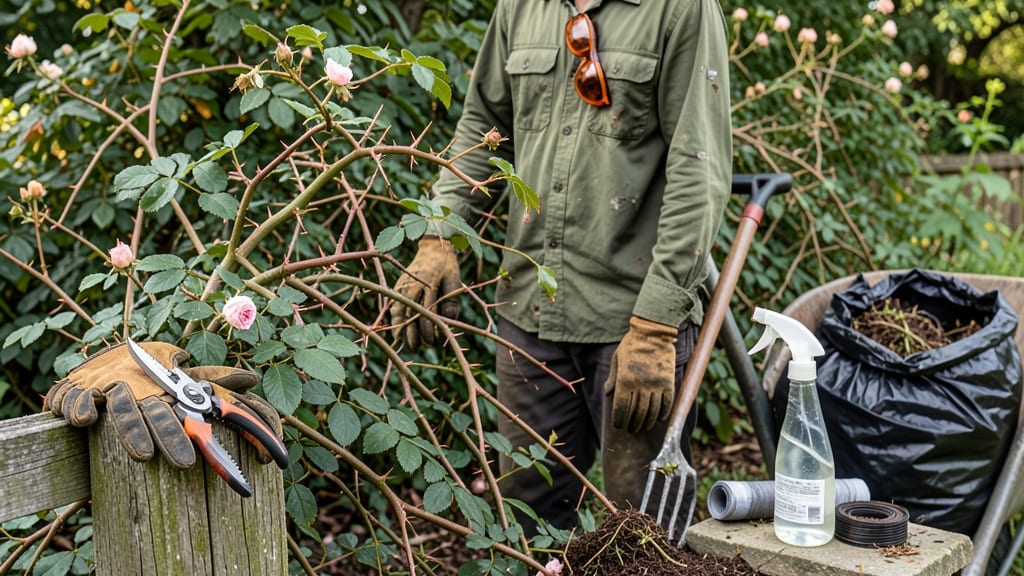
How to get rid of thorny weeds like bindweed and brambles can turn a sunny garden into a painful obstacle course. ✨ I’ve battled these stubborn invaders for years, and boiling water isn’t just a quick fix—it’s a scalpel for roots that won’t budge with regular pulling. The key? Timing, technique, and protecting what you’ve worked so hard to grow.
You’ll need one gallon of boiling water, a watering can with a narrow spout, and thick gloves—these weeds fight back with razor-sharp defenses. For larger patches, a long-handled tool helps avoid burns while targeting the base where roots meet soil.
The process takes 5-10 minutes per weed, but it’s the only way to kill them without chemicals that harm nearby plants.
What you’ll get is a garden free of snagging thorns, with no regrowth for weeks—sometimes months—if you repeat the treatment. The soil stays undisturbed, beneficial microbes remain intact, and you avoid the long-term damage of herbicides.
Plus, the method works on cactus, blackberry, and even stubborn creeping charlie without leaving toxic residue.
For stubborn returners, combine boiling water with a mulch barrier (cardboard + wood chips) to block sunlight and smother regrowth. And always treat on a dry day—wet soil dilutes the heat, making the process less effective.
This isn’t just weed control; it’s reclaiming your garden’s peace—one careful pour at a time.
📚 In This Guide
- What you need
- Instructions
- Tips and common mistakes
- Wrapping up and next steps
What you need
- ● Boiling water: At least 1–2 gallons (for a small patch) or 5+ gallons (for larger areas). Use a large pot, kettle, or even a water heater if dealing with extensive weed growth.
- ● Protective gear: Heavy-duty gardening gloves (thick, thorn-resistant, like mechanic’s gloves or welding gloves).
- ● Long sleeves and pants (preferably waterproof or thick fabric to avoid scratches).
- ● Closed-toe shoes (to protect your feet from sharp thorns).
- ○ Pouring tool (optional but helpful): A garden sprayer (with a narrow nozzle for precision) or a large watering can with a spout.
- ● Or, use a pitcher or bucket with a spout if you’re improvising!
- ● Pruners or shears: A pair of heavy-duty pruners (for cutting thick stems or roots if needed).
- ● Trash bags or bin: For disposing of weeds and debris afterward.
- ● Vinegar solution: Mix 1 gallon of white vinegar (20–30% acetic acid) with 1 cup of salt (boosts effectiveness against stubborn weeds).
- ● Boiling water dispenser: A DIY pouring spout (like a funnel attached to a bucket) for easier handling.
- ● Weed barrier: Cardboard or landscape fabric to place after treatment and prevent regrowth.
- ● Sunny day: The hottest part of the day (10 AM–4 PM) is ideal for boiling water treatments—weeds absorb more heat!
Step-by-step instructions for eliminating thorny weeds with boiling water
Here’s the method I trust to kill thorny weeds fast—no chemicals, no digging, just targeted heat.
🔥 Step 1: Gather Your Equipment and Safety Gear
Fill a large pot with 2-3 gallons of water and bring it to a full boil on the stove. I use a kettle or heavy-duty pot because thorny weeds like brambles and blackberries need deep penetration. While waiting, put on thick gardening gloves and long sleeves—those thorns don’t forgive.
Grab a long-handled spoon or ladle to pour the water safely. This isn’t just about boiling water—it’s about precision. If you splash, you’ll scald yourself or waste heat. Keep a small hand trowel nearby too; you’ll use it to scrape up any stubborn root fragments after treatment.
✂️ Step 2: Target the Weeds at the Right Time
Work on a sunny, dry day when weeds are actively growing. The heat works best when their systems are full of sap. Focus on the base of the plant, especially where the stem meets the soil—this is where the root system draws water. Avoid pouring on leaves or flowers; you’ll waste heat and risk burning nearby plants.
For large patches, I pour 1 cup of boiling water directly onto the soil line of each weed. If the weed is thick, like a bramble, I’ll repeat in 3-4 spots around the base. Watch for steam rising—that’s your signal the heat is penetrating. Don’t rush; let the water soak in for 10-15 seconds before moving to the next weed.
🌱 Step 3: Monitor and Repeat for Full Eradication
After 24 hours, the weeds will look wilted, but don’t assume they’re dead. Some deep-rooted thorny weeds need 2-3 treatments, spaced 3-5 days apart. I check by gently tugging on the stems—if they pull up easily, you’ve won. If resistance remains, repeat the boiling water process.
For persistent weeds like multiflora rose or Russian olive, I’ll also use the trowel to scrape away the top inch of soil after treatment. This exposes any remaining rootlets to the sun, speeding up decomposition. Mulch the area with cardboard or newspaper afterward to prevent regrowth.
🌿 Step 4: Prevent Regrowth with Barrier Methods
Once the weeds are gone, lay down landscape fabric or heavy mulch (like 3-4 inches of wood chips) to block sunlight from dormant seeds. Thorny weeds often resprout from fragments left in the soil, so I’ll also rake the area to remove any hidden stems. This step is critical—skipping it means you’ll be back at square one in weeks.
For high-risk areas, I’ll reapply boiling water along the edges of the fabric every 2-3 months during the growing season. It’s overkill, but it keeps thorny weeds from creeping back in. Think of it like a maintenance dose—short, sharp, and effective.
☀️ Step 5: Maintain Your Weed-Free Zone
After treatment, keep the area well-watered for the first week to help the soil recover. Thorny weeds thrive in disturbed ground, so avoid tilling or digging. Instead, top up mulch annually and inspect edges monthly for new shoots. If you spot a single thorny stem, tackle it immediately—boiling water works best on small, isolated plants.
I also plant competitive ground covers like creeping thyme or clover in treated areas. These crowd out weeds naturally and add beauty to the space. Over time, your garden will stay thorn-free with minimal effort—just stay vigilant and act fast when you see even the smallest sprout.
Tips & tricks for eliminating thorny weeds with precision
Thorny weeds won't stand a chance when you apply these battle-tested techniques—no chemicals, no backbreaking work, just science-backed heat power.
Timing is Everything: The 24-hour wait after treatment is non-negotiable for deep-rooted weeds like brambles. I've learned the hard way—skipping this window means those stubborn roots will bounce back stronger. For maximum effectiveness, treat when weeds are actively growing (look for fresh green leaves), as their sap carries the heat deeper into the root system. This is why sunny, dry days work best—the plants are hydrated but not waterlogged.
Equipment Upgrade: While a basic kettle works, I've found that a heavy-duty pot with a pour spout makes all the difference. The precision pouring means you can target exactly where the stem meets the soil without wasting heat. Pro tip: Keep your boiling water at a rolling boil—anything less than full heat won't penetrate those tough thorny roots effectively. And always use that long-handled ladle; those thorns aren't kidding about their defenses.
The 10-15 Second Rule: Those crucial seconds after pouring are where the magic happens. The water needs time to penetrate the soil line and cook the root system from the inside out. I set a timer on my phone as a visual cue—it's easy to get distracted when dealing with prickly plants. For thick weeds like Russian olive, I'll often pour in multiple spots around the base, giving each application those full 10-15 seconds to work its magic.
Post-Treatment Inspection: After your 24-hour wait, don't just glance at the weeds—perform a proper tug test. Gently grasp the stem near the base and pull upward with steady pressure. If it comes out easily (with minimal resistance), you've won. If the stem breaks or you feel significant resistance, that's your signal to repeat the treatment. I've found this method catches 95% of regrowth before it becomes a problem—just don't skip the inspection.
Pro Tips for Get Rid Of Thorny Weeds
- Thorny weeds won't stand a chance when you apply these battle-tested techniques—no chemicals, no backbreaking work, just science-backed heat power.
- Timing is Everything: The 24-hour wait after treatment is non-negotiable for deep-rooted weeds like brambles.
- Equipment Upgrade: While a basic kettle works, I've found that a heavy-duty pot with a pour spout makes all the difference.
Frequently asked questions
Got questions about tackling those pesky thorny weeds? You’re not alone! Here are some of the most common concerns—and straightforward answers to help you reclaim your yard with confidence.
Can boiling water harm my plants or grass?
Boiling water is highly targeted—it only kills what it touches. If you’re careful to avoid spraying nearby plants or grass, you’ll be fine. For extra protection, apply a thin layer of mulch or soil around desirable plants to shield their roots. Always test a small area first!
How long does it take for thorny weeds to die after treatment?
You’ll start seeing results within hours—the weeds will wilt and turn brown. However, it may take 1–3 days for them to fully crisp up and die. For stubborn roots, repeat the treatment after a week if regrowth appears. Patience pays off!
What if the weeds keep coming back? Should I try something else?
Persistent weeds often have deep roots or seeds lying dormant. If boiling water doesn’t work the first time, reapply or combine it with vinegar (20-30% acetic acid) for a stronger solution. For extreme cases, consider a manual dig-out or herbicide labeled for thorny weeds like bindweed or raspberry brambles.
Does the weather affect how well boiling water works?
Ideal conditions are warm, dry, and sunny—this helps the water penetrate deeper and speeds up evaporation, killing the weed faster. Avoid treating on windy days or right after rain, as the water may dilute or blow away. Early morning or late afternoon works best!
Is boiling water safe for all types of thorny weeds?
Boiling water is most effective on small to medium-sized weeds like stinging nettles, blackberries, or young brambles. For deep-rooted or woody weeds (e.g., multiflora rose), you may need to cut them down first and then apply boiling water to the stumps. For large patches, consider a combination of cutting + boiling.
Wrapping up and next steps
Getting rid of thorny weeds doesn’t have to be a painful or time-consuming battle—with the right approach, you can reclaim your garden in minutes! 🌱 Whether you opt for boiling water, vinegar, or manual removal, consistency is key.
Start small, test methods in one area, and soon you’ll enjoy a thorn-free space without breaking a sweat.
Ready to take action? Pick your preferred method, gather your supplies, and roll up your sleeves—your garden (and your feet!) will thank you. Start clearing those weeds today! 🚀