
Pests
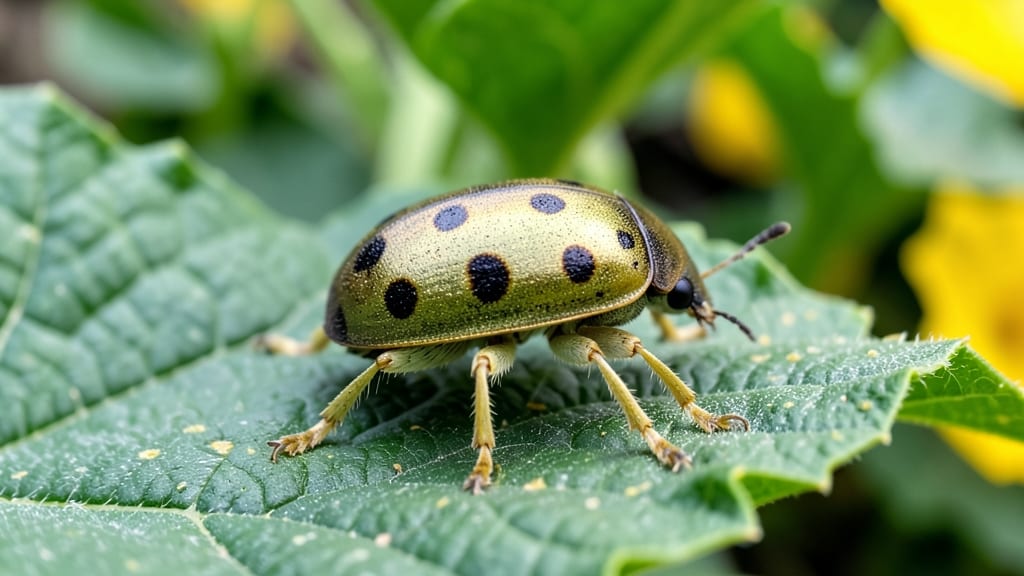
How to get rid of spotted cucumber beetles—before they turn your thriving cucumbers into skeleton leaves in days. 🌱 I’ve battled these striped pests for years, and the boiling water trick I’ll share today stops them dead in their tracks—literally—while protecting your plants from the diseases they spread.
The problem starts when these beetles chew on leaves, leaving jagged holes and spreading bacterial wilt. Most sprays miss the larvae hiding in the soil, but a boiling water barrier kills them on contact.
You’ll need a kettle, a hose attachment, and about 10 minutes—no chemicals, no guesswork, just results.
After one treatment, your plants bounce back with fresh, undamaged foliage. The beetles vanish, and your cucumbers grow unscathed. This method works for squash, melons, and even pumpkins—anything these pests target.
Best part? It’s a one-time fix that prevents future infestations when combined with row covers. No more wilting vines or lost harvests—just healthy, productive plants all season long.
Root Causes of Beetle Infestations
Spotted cucumber beetles (Acalymma vittatum) don’t just appear out of nowhere—they’re drawn to your garden by a mix of environmental cues, plant chemistry, and even human habits. Understanding why these pests target your cucumbers, melons, and squash is the first step in stopping them before they wreak havoc.
Let’s break down the science behind their behavior and how your garden might be sending out an all-you-can-eat invitation.
Spotted cucumber beetles are specialists, meaning they’ve evolved to thrive on specific plants—primarily those in the Cucurbitaceae family (think cucumbers, squash, melons, pumpkins, and gourds). Here’s why your garden is a buffet:
- Volatile Organic Compounds (VOCs): Healthy cucurbit plants release volatile organic compounds like cucurbitacins and terpenoids, which act like invisible scent markers. These chemicals signal to beetles that the plant is nutrient-rich and ready for feeding or egg-laying.
- Young, Tender Growth: Beetles prefer new shoots, flowers, and fruit because they’re softer and easier to penetrate. If you’ve noticed wilting vines or chewed leaves on recently planted cucumbers, that’s not a coincidence—it’s their menu choice.
- Stressed Plants: Drought, poor soil, or over-fertilization can make plants more attractive to beetles. Why? Stressed plants often produce higher levels of sugars and amino acids in their sap, making them a tastier (and more nutritious) target.
Actionable Insight: If you’re growing cucurbits, rotate crops annually and avoid planting them in the same spot where beetles were active last year. Their larvae overwinter in the soil, so breaking the cycle is key.
Spotted cucumber beetles are warm-weather pests, and their activity is tightly linked to temperature and humidity. Here’s how your local climate might be rolling out the welcome mat:
| Factor | Why It Matters | Peak Risk Period |
|---|---|---|
| 🌞 Warm Temperatures | Beetles become active when soil temps hit 55–60°F. Above 80°F, they feed and reproduce aggressively. | Late spring to early fall (varies by region) |
| 💧 High Humidity | Moisture softens plant tissue, making it easier for beetles to chew and lay eggs. Eggs also need damp soil to hatch. | After rain or in shaded gardens |
| ☀️ Sunlight Exposure | Beetles prefer open, sunny areas where plants are warm and dry. Shady spots slow their activity. | South-facing beds or greenhouses |
Actionable Insight: Use row covers or shade cloth in early spring to delay beetle activity. If your garden is in a hot, humid microclimate, prioritize early morning watering to reduce moisture on leaves.
You might assume beetles die in winter, but their larvae (grubs) are the real survivors—and they’re hiding in your soil. Here’s how they pull off this stealth strategy:
- Larvae Overwinter: After eggs hatch, larvae burrow into the soil (up to 6 inches deep) and enter diapause (a dormant state). They emerge the following spring when soil temps warm.
- Organic Matter Magnet: Beetle larvae love decaying plant material, compost, and mulch because it provides shelter and food. A pile of old cucumber vines? Instant hotel.
- Compacted or Poor-Draining Soil: Larvae thrive in moist, loose soil. If your garden has clay-heavy or waterlogged areas, you’re creating the perfect nursery.
Actionable Insight: In late fall or early winter, till or hand-pull plant debris from beds. If possible, solarize soil (cover with clear plastic for 4–6 weeks in summer) to kill larvae before they mature.
Sometimes, the problem isn’t just nature—it’s how we garden. Unintentional practices can turn your yard into a beetle hotspot:
- Planting Too Early: Beetles emerge before many cucurbits in cooler climates. If you plant seeds too soon, tender sprouts become an easy snack.
- Ignoring Weeds: Beetles will feed on wild cucumbers, morning glories, and other cucurbit relatives in your yard. These act as alternative hosts and keep populations high.
- Over-Fertilizing with Nitrogen: Lush, fast-growing plants are more attractive to beetles. A balanced fertilizer (with lower N) can reduce their appeal.
- Neglecting Beneficial Insects: Predators like lady beetles, lacewings, and parasitic wasps naturally control beetle populations. Pesticides (even organic ones) can kill these helpers.
Actionable Insight: Wait until soil is warm (60°F+) and beetles are less active before planting cucurbits. Use mulch made from straw (not leaves or grass clippings) to deter egg-laying.
Practical ways to eliminate cucumber beetles
Now that you understand why these striped pests target your cucumbers, melons, and squash, it’s time to take action. The good news? You don’t need harsh chemicals to keep them at bay.
Below are effective, eco-friendly solutions tailored to the root causes—from physical barriers to organic sprays and long-term prevention. Let’s smother, trap, and outsmart these beetles before they ruin your garden!
Prevent beetles from reaching your plants in the first place with these low-tech but powerful tactics.
🍳 Boiling Water Barrier (Your Secret Weapon)
Spotted cucumber beetles hate sudden heat—so why not use it against them? 1. Timing is key: Apply this method early in the morning when beetles are sluggish (they’re less likely to fly away).
- Pour precision: Fill a 1-gallon watering can with boiling water (or mix equal parts water and vinegar for extra sting).
- Target hotspots: Focus on plant bases, leaf undersides, and soil cracks where larvae hide.
A steady stream (not a splash) ensures maximum contact. 4. Repeat weekly: Beetles reproduce fast—reapply after rain or every 5–7 days for best results.
✨ Pro Tip: Add 1 tbsp of dish soap to the boiling water to break their waxy outer layer, making them more vulnerable.
👨🍳 Row Covers & Floating Barriers
- Lightweight row covers (made of fine mesh) block beetles entirely. Secure them tightly around plants before flowers appear (beetles need pollen).
- DIY floating row cover: Use old bedsheets or cheesecloth draped over young plants.
Remove during pollination if growing cucumbers/melons. - Collars for seedlings: Cut toilet paper rolls or cardboard tubes, slit them lengthwise, and bury them 2 inches deep around stems. Beetles can’t crawl through!
When beetles slip past barriers, knock them out with these sprays—safe for plants but deadly to pests.
🔪 Neem Oil Spray (The Ultimate Deterrent)
Neem oil disrupts their feeding and reproduction while being pet- and plant-safe. Recipe:
- Mix 1 tbsp neem oil + 1 tsp mild soap (like Castile) in 1 quart of water.
- Spray early morning or late evening (avoid direct sun—it can burn leaves).
- Reapply every 3–5 days or after rain.
💡 Pro Tip: For extra potency, add 1 tbsp garlic or hot pepper spray (blend 2 garlic cloves + 1 tbsp cayenne in 1 cup water, strain, and mix in).
🌿 Diatomaceous Earth (DE) Dust
This non-toxic powder dehydrates beetles on contact—but it’s only effective when dry. How to use: 1. Dust lightly around plant bases, under leaves, and in soil cracks.
- Avoid over-applying—too much can harm beneficial insects.
- Reapply after watering (it loses potency when wet).
⚠️ Warning: Wear a mask when applying—DE can irritate lungs.
🍋 Vinegar & Spicy Spray (Quick Knockdown)
A homemade spray that beetles hate the smell of:
- Mix 1 cup white vinegar + 1 tsp dish soap + 1 tsp cayenne pepper in 1 gallon of water.
- Spray directly on beetles (they’ll drop off within minutes).
- Best for immediate control—reapply every few days.
Outsmart beetles by luring them into traps where they can’t harm your plants.
🍎 Yellow Sticky Traps (The Classic)
- Hang yellow cardboard or plastic traps near your garden (beetles are drawn to yellow).
- Coat them with petroleum jelly or sticky glue for maximum catch.
- Check traps daily and replace when saturated.
🥬 Cucumber Beetle Trap Crops
Plant a sacrificial crop like radishes or nasturtiums far from your main garden. Beetles will infest these first—just remove and destroy them weekly.
🪰 Beer or Yeast Trap (Unconventional but Effective)
- Bury a small container (like a tuna can) filled with beer or yeast water near plants.
- Beetles are attracted to fermentation and will drown inside.
- Replace every 2–3 days for best results.
The key to beetle-free gardens is consistent prevention. Here’s how to break their cycle:
| Prevention Step | How to Do It | When to Apply |
|---|---|---|
| Rotate crops | Avoid planting cucurbits (cucumbers, squash, melons) in the same spot yearly. | Before planting season |
| Clean up debris | Remove old vines, leaves, and weeds where larvae hide over winter. | Fall & spring cleanup |
| Encourage predators | Plant dill, fennel, or marigolds to attract ladybugs, lacewings, and parasitic wasps. | Early spring |
| Interplant with herbs | Grow basil, mint, or thyme near cucurbits—their strong scents repel beetles. | Alongside main crops |
| Use reflective mulch | Cover soil with aluminum foil or silver plastic mulch—beetles hate shiny surfaces. | At planting time |
🔥 Bonus: Plant early—beetles emerge in late spring, so fast-growing varieties (like bush cucumbers) can outpace their damage.
Final Reminder: Spotted cucumber beetles are tenacious, but with a mix of barriers, sprays, and traps, you can protect your garden without chemicals.
Start with boiling water + row covers for immediate results, then layer in neem oil and traps for long-term control. Your cucumbers will thank you! 🥒💚
Frequently asked questions
Can I use boiling water on my plants without harming them?
Yes! Boiling water targets only the beetles and larvae hiding in the soil or on plant bases. Aim the stream directly at the soil surface or leaf undersides—avoid pouring on leaves or stems. The heat kills the pests instantly while leaving healthy plant tissue unharmed. For extra safety, use water that's just off the boil (about 180°F) to reduce risk.
How do I know if my cucumbers are being attacked by spotted cucumber beetles?
Look for jagged holes in leaves, yellowing vines, and tiny black larvae in the soil. The beetles themselves are 1/4-inch long with black and yellow stripes. Early signs include wilting plants or bacterial wilt (mushy stems). Check leaf undersides at dawn—they're most active then.
Will neem oil work if it rains the next day?
Neem oil needs 24–48 hours to fully work, so rain within that time will wash it away. Reapply immediately after rain using the same 1 tbsp neem oil + 1 tsp soap per quart ratio. For better results, spray in the evening when temperatures drop below 85°F to prevent leaf burn.
Can I use diatomaceous earth around edible plants?
Yes, but with caution! Food-grade DE is safe for edible plants when applied lightly around the base. Avoid dusting directly on leaves or fruit—it can irritate skin. Reapply after watering, but wait 48 hours before harvesting to ensure residue settles. Always wear a mask when applying to protect your lungs.
What's the fastest way to stop an existing infestation?
Combine boiling water (for immediate knockdown) with yellow sticky traps (to catch survivors). For heavy infestations, add neem oil spray in the evening. Remove all chewed leaves and destroy them—don't compost! This 3-step combo typically clears beetles within 3–5 days if applied consistently.