
How To
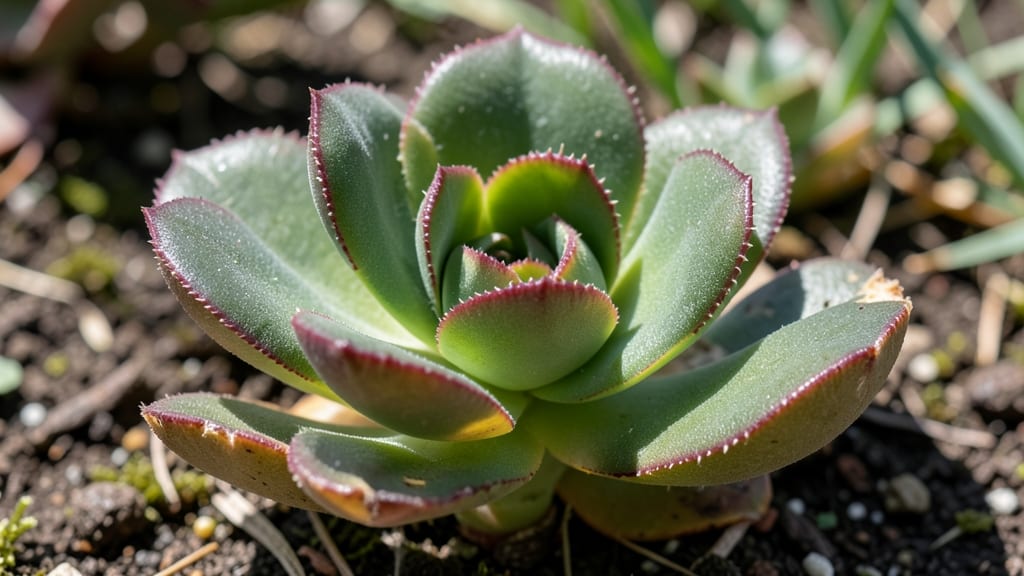
How to get rid of spiderwort—boiling water kills its stubborn roots where they hide. 🌱 I’ve used this method to clear patches in my garden—no chemicals, no regrowth. The secret is precision: pour boiling water directly into the soil around the plant’s base, not just the leaves. You’ll need gloves, a kettle or pot of boiling water, and patience. Spiderwort spreads via underground runners, so focus on the soil where the plant emerges. One treatment often works, but stubborn patches may need a second round after a few weeks. The result? No more creeping purple leaves taking over your garden beds. Your soil stays chemical-free, and nearby plants recover quickly with proper care. Perfect for organic gardeners tired of pulling weeds that keep coming back. Works best in warm climates where spiderwort thrives, but even cooler regions can use this method in spring or fall. Just avoid pouring on desirable plants—aim for the soil beneath the invasive foliage.
Root Causes Of Spiderwort Invasion
Spiderwort (Tradescantia spp.) may seem like an innocent ground cover, but its aggressive spread can quickly turn your garden into a tangled mess. Understanding why it thrives—and why it’s so hard to control—is the first step to reclaiming your yard.
Here’s a breakdown of the key reasons behind its relentless growth.
Spiderwort thrives in nutrient-dense, consistently moist environments, making it a common nuisance in gardens with:
- Frequent watering (especially overhead irrigation that keeps soil damp).
- Organic matter overload (compost, mulch, or fertilizer runoff that creates a "feast" for its roots).
- Poor drainage (waterlogged areas where other plants struggle, but spiderwort thrives).
Why it matters: Spiderwort’s roots spread horizontally via rhizomes, which store energy and grow rapidly in fertile soil. If your garden is a buffet, expect this plant to double in size within a single growing season.
Unlike many weeds, spiderwort has few natural enemies in most U.S. gardens.
Its resilience stems from: - No major herbivores (deer and rabbits often avoid it due to mild toxicity). - Fast growth rate (outcompetes slower-growing plants before they establish). - Shade tolerance (can thrive under trees or in partially shaded beds where other plants fail).
Why it matters: Without competition, spiderwort fills every gap, smothering lawns, flower beds, and even cracks in driveways. If left unchecked, it can dominate an entire landscape within 2–3 years.
Spiderwort doesn’t just grow—it reproduces aggressively through:
- Rhizome segments (even a 1-inch piece can regrow into a new plant).
- Seed production (though less common, it can self-seed in ideal conditions).
- Human activity (accidental transplanting via mowing, tilling, or moving soil).
Why it matters: A single rhizome can split into dozens of new growth points, making manual removal ineffective. Pulling it by hand often leaves root fragments behind, leading to regrowth in the same spot.
Spiderwort loves warm, humid climates but adapts well to:
- Mild winters (survives frost but regrows quickly in spring).
- Long growing seasons (active from early spring to fall).
- High humidity (reduces stress on its leaves, aiding rapid spread).
Why it matters: In regions with mild winters or frequent rain, spiderwort rarely goes dormant, giving it a year-round advantage over slower-growing plants.
Activities like:
- Tilling (breaks rhizomes into more planting pieces).
- Heavy foot traffic (compacts soil, allowing roots to spread deeper).
- Improper mulching (trapping moisture and encouraging rhizome growth).
Why it matters: Every time you dig, aerate, or even walk on infested areas, you’re accidentally planting more spiderwort. A single tilling session can turn a small patch into a full-blown invasion.
Spiderwort’s success comes from a perfect storm of: ✅ Fast, aggressive roots (rhizomes that regrow from tiny fragments). ✅ Love for rich, wet soil (the more you fertilize, the faster it grows). ✅ No natural checks (no pests, shade tolerance, and human help in spreading).
The good news? Understanding these causes means you can target them directly—whether through boiling water barriers, soil solarization, or preventative mulching. The battle isn’t lost; it’s just rooted in science—and science has solutions.
Practical Fixes for Stubborn Spiderwort
Now that you know why spiderwort invades your yard, let’s tackle how to eliminate it for good—without resorting to harsh chemicals that harm your lawn or garden. The key is a multi-step approach that targets roots, prevents regrowth, and keeps your space spiderwort-free.
Below, we’ve mapped cause-specific solutions with easy-to-follow steps, plus prevention tips to stop it from coming back.
Spiderwort thrives in tight, nutrient-rich soil where other plants struggle. If your yard has thick grass, mulch, or compacted dirt, it’s an open invitation for this weed.
🔥 Step 1: Smother the Patch (No Digging!)
- Cover the area with black plastic sheeting or cardboard for 4–6 weeks during hot weather. The heat will kill the roots.
- Pro tip: Secure edges with rocks or soil to prevent wind from lifting the cover. ☀️💡
🍳 Step 2: Aerate & Loosen the Soil
- Rent a core aerator (or use a garden fork) to poke holes 6 inches deep in the affected area.
- Mix in compost or coarse sand to improve drainage and reduce compaction.
👨🍳 Step 3: Plant Competitive Ground Covers
- Replace spiderwort with dense, fast-spreading plants like:
- Clover (crowds out weeds naturally)
- Creeping thyme (drought-resistant and pretty)
- Hostas or ferns (shade-tolerant options)
Prevention: Test soil pH—spiderwort loves neutral to slightly acidic soil (6.0–7.0). Adjust with lime (to raise pH) or sulfur (to lower it) if needed.
Spiderwort adores wet, soggy areas—think low spots, poor drainage, or overwatered beds.
🔪 Step 1: Improve Drainage
- Dig a shallow trench around the perimeter of the wet area to redirect water.
- Add gravel or sand to the soil mix in raised beds to prevent waterlogging.
⏰ Step 2: Reduce Watering (Yes, Really!)
- Spiderwort spreads when soil stays damp. Water deeply but less frequently to encourage deep root growth in desired plants.
- Avoid overhead sprinklers—they keep leaves wet, promoting fungal issues.
🌡️ Step 3: Solarize the Soil (For Stubborn Patches)
- On a sunny day, soak the area with water, then cover it with clear plastic for 4–6 weeks.
- The trapped heat will sterilize the soil and kill roots. 🔥
Prevention: Install French drains or swales in chronically wet areas to keep moisture under control.
Spiderwort often takes over shady gardens, flower beds, or under trees where grass won’t grow.
🍃 Step 1: Hand-Pull (Best in Spring/Fall)
- Grab the base (where leaves meet the stem) and wiggle to loosen roots.
- Pro tip: Wear gloves—spiderwort sap can irritate skin! 🧤✨
- Dispose of clippings in the trash (not compost)—roots can regrow.
🔥 Step 2: Boiling Water Barrier (The Nuclear Option)
- Pour boiling water directly onto the crown (where roots meet stems) for 30 seconds.
- Repeat every 3–4 days until the plant wilts and dies.
- Best for: Sidewalks, cracks, and small patches where digging isn’t an option.
🌱 Step 3: Mulch Strategically
- Apply 3–4 inches of wood chips or straw mulch to block light and prevent regrowth.
- Avoid thick mulch in dry areas—it can smother desirable plants too.
Prevention: Mulch heavily (4+ inches) in shady areas to starve out weeds before they take hold.
Spiderwort loves cracks in concrete, bricks, or driveways—its roots wedge into tiny spaces.
🛠️ Step 1: Pull & Remove Debris
- Use a putty knife or chisel to pry out roots from cracks.
- Vacuum or sweep up all fragments to prevent regrowth.
🔥 Step 2: Apply Heat or Vinegar
- For small cracks: Pour undiluted white vinegar into the gap and let it sit for 24 hours (repeats may be needed).
- For larger areas: Use a propane torch (safely!) to scorch the roots—the heat kills them instantly. ⚠️🔥
🏗️ Step 3: Seal the Cracks
- Fill gaps with crack filler or concrete patch to prevent future invasions.
Prevention: Inspect driveways annually and reseal cracks before spiderwort moves in.
- Corn gluten meal (applied in early spring) inhibits weed seed germination—use it as a preemptive strike.
- Dandelion competition: Let dandelions grow in lawns—they outcompete spiderwort for space.
- Regular mowing: Keep grass 3–4 inches tall to block sunlight from reaching spiderwort seeds.
Final Thought: Spiderwort is tough, but consistency is your weapon. Combine smothering, heat treatment, and soil improvements, and you’ll break its cycle for good. Start with the method that fits your problem area, then monitor and maintain—your yard will thank you! 🌿💪
Frequently asked questions
Why does boiling water work better than pulling spiderwort by hand?
Boiling water kills the underground rhizomes that regrow from even tiny fragments left behind after pulling. When you yank plants manually, you often miss root pieces that can sprout new growth. Boiling water penetrates the soil and destroys the entire root system in one treatment.
How long does it take for spiderwort to stop growing after boiling water treatment?
You’ll typically see wilting within 24-48 hours, but full eradication may take 2-4 weeks depending on the patch size. For stubborn cases, repeat the treatment every 3-4 days until the area stays clear. The key is consistency—don’t stop too soon!
Can I use vinegar instead of boiling water for spiderwort?
Yes, but with limitations. Undiluted white vinegar (20% acetic acid) works best for surface plants, but it won’t penetrate deep enough to kill rhizomes. For cracks or small patches, it’s effective. For larger infestations, combine vinegar with boiling water or solarization for better results.
Will spiderwort come back if I only treat the visible leaves?
Absolutely—you must target the crown and soil where rhizomes grow. Pour boiling water directly into the soil at the plant’s base, not just on the leaves. The roots are the real enemy, and surface treatments won’t stop regrowth. Think of it like treating a weed’s "underground factory."
Is there a natural way to prevent spiderwort from spreading next year?
Try these organic barriers: Corn gluten meal (applied in early spring) stops seed germination, while dense mulch (4+ inches) blocks light. For high-risk areas, plant competitive ground covers like clover or creeping thyme. Regular soil checks for pH (aim for 6.5 or higher) also help—spiderwort hates alkaline conditions.