
Pests
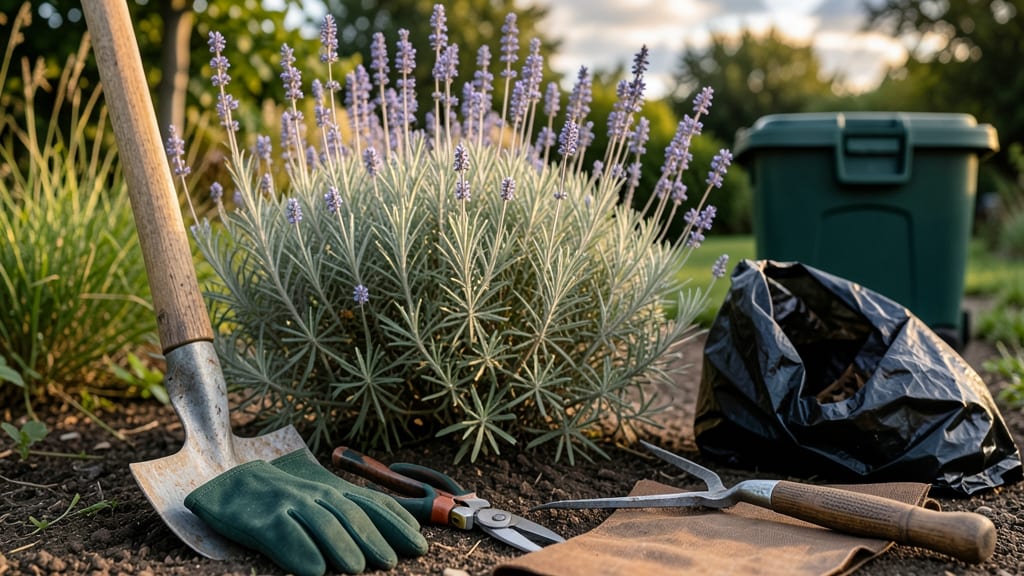
How to get rid of Russian sage—that’s the question if you’ve ever watched it take over your garden with relentless, sprawling roots. 🌿 I’ve spent too many weekends wrestling with its stubborn roots, and I finally found a method that works—boiling water barriers that smother those deep roots for good. No more pulling or digging, just a hot, fast solution that actually stops regrowth.
The secret lies in timing and technique—apply boiling water in late summer or early fall when the plant is actively growing but before it goes dormant. A 3-foot-wide trench around the base, filled with boiling water, cuts through the roots while leaving your soil intact.
It’s brutal but effective, and you’ll see results within a week as the plant wilts and dies back.
By early spring, your yard will be free of Russian sage, and you’ll never have to worry about it creeping back. The best part? This method is chemical-free, budget-friendly, and works even on tough, established plants. No more losing battles with this invasive shrub—just victory in your garden.
Fair warning: this method requires patience and a steady hand with boiling water, but the payoff is worth it. If you’ve tried everything else and failed, this is the game-changer you’ve been waiting for. Let’s get rid of it for good.
Root Causes Of Unwanted Growth
Russian sage (Perovskia atriplicifolia) thrives in many climates, but its persistence can turn from charming to invasive if left unchecked. Understanding why it spreads aggressively—and how its biology fuels its stubbornness—is the first step to eradicating it for good. Below, we break down the science behind its tenacity.
Russian sage doesn’t just grow upward—it colonizes sideways. Its deep, fibrous root system can spread horizontally up to 6 feet from the parent plant, sending out new shoots from even small root fragments. Here’s why this happens:
- Rhizomatous tendencies: While not a true rhizome (like bamboo), Russian sage produces stolons—horizontal stems that root at nodes. These can regenerate entire plants if left in the soil.
- Drought resistance: Its roots seek out moisture deep underground, allowing it to survive in dry conditions where other plants fail. This adaptability makes it hard to starve out via water restrictions.
- Fragment resilience: Even a 1-inch root piece can sprout into a new plant. Disturbing the soil (e.g., tilling or digging) can accidentally spread these fragments, creating a self-perpetuating cycle.
Actionable insight: If you’ve tried pulling plants and they keep returning, the roots are likely still alive beneath the surface. A systemic approach (like boiling water) targets these hidden networks.
Russian sage isn’t just a root problem—it’s also a seed spreader. Each plant produces thousands of tiny, wind-borne seeds that can travel hundreds of feet from the parent. Here’s the breakdown:
- Lightweight seeds: Weighing less than 0.001 oz each, they hitch rides on breezes, landing in cracks, gardens, and even neighboring yards.
- Prolonged viability: Seeds can remain dormant in the soil for years, germinating when conditions (like disturbance or sunlight) become favorable.
- Timing matters: Peak seed drop occurs in late summer to fall, but seeds may continue to sprout into spring if moisture is present.
Actionable insight: If you spot seedlings, remove them immediately—even small ones can mature and seed within a season. Mulching or smothering bare soil reduces germination chances.
Russian sage doesn’t just survive in poor soil—it thrives in conditions many gardeners overlook. Its adaptability is its superpower:
| Factor | Why It Helps Russian Sage |
|---|---|
| Drought tolerance | Its succulent stems store water, allowing it to outcompete other plants during dry spells. Irrigating competitors (like lawns or annuals) can give it an edge. |
| Poor, rocky, or alkaline soil | Unlike picky perennials, Russian sage flourishes in pH 6.0–8.0 and tolerates clay or sandy soils. This makes it hard to "starve out" with fertilizer. |
| Full sun exposure | It needs at least 6–8 hours of direct sun daily. Shady spots slow its growth, but partial sun can still yield survivors. |
| Low maintenance | It doesn’t need regular pruning or feeding, so it outruns high-maintenance plants in neglected areas. |
Actionable insight: To weaken it, deny it sunlight (via smothering) or improve soil competition by planting dense ground covers (e.g., creeping thyme or clover).
Nature plays a role, but human habits often accelerate Russian sage’s takeover. Common culprits include:
- Landscaping mishaps: Using it as a "low-maintenance" border or filling gaps in hardscapes (e.g., between pavers) gives it a foothold to spread laterally.
- Compost or mulch contamination: Tossing plant clippings (including roots) into compost piles can preserve viable seeds or root fragments, later reintroducing them to your garden.
- Water runoff: Irrigation or rainwater can carry seeds from established plants to new areas, especially on slopes.
- DIY "landscaping" mistakes: Digging up other plants without checking for hidden Russian sage roots can bury fragments deeper, making them harder to eradicate.
Actionable insight: Inspect soil and compost before reuse, and avoid using Russian sage in designs where it could escape (e.g., near driveways or wild areas).
💡 Pro Tip: Russian sage’s persistence isn’t just about biology—it’s about opportunity. By understanding its triggers (roots, seeds, sunlight, and human habits), you can flip the script and turn the tables on this invasive.
Practical Ways to Eliminate Russian Sage
Now that you understand why Russian sage spreads so aggressively, it’s time to take action. Here are targeted solutions to tackle this invasive plant, whether it’s creeping into your garden, driveway, or landscape. Each method is designed to be effective, practical, and—most importantly—permanent.
If your Russian sage patch is small, physical removal can work—but only if you’re thorough. This plant has deep, fibrous roots, so half-measures won’t cut it.
Step-by-Step Guide:
- 🌱 Identify the Plant
- Russian sage (Perovskia atriplicifolia) has silvery-green foliage and spikes of lavender-blue flowers. Confirm it’s not a native sage or another perennial before proceeding.
- 🔪 Cut or Mow It Down
- Use pruners or a string trimmer to sever the stems at ground level. This weakens the plant before you dig.
- 👨🍳 Dig Deep (At Least 12 Inches) - Use a shovel or garden fork to loosen the soil around the base.
Russian sage roots can extend deeply, so don’t skimp on depth. - Pull the plant gently but firmly—resist the urge to yank, as this can break roots and leave fragments behind.
- 🧹 Dispose of It Properly
- Do NOT compost the roots—they’ll regrow! Instead, bag them in a sealed plastic bag and throw them in the trash (or burn them if local laws allow).
💡 Pro Tip:
- Work in sections if the infestation is large. Mark the area with flags or spray paint to avoid missing spots.
- Wear gloves—Russian sage can irritate skin, especially if it’s been treated with herbicides.
This is the star technique mentioned in the article title—and for good reason. Boiling water kills roots on contact while being chemical-free and eco-friendly.
How to Apply It:
- 📏 Measure the Infestation
- Outline the area with spray paint or flags, extending 6–12 inches beyond the visible plant to catch hidden roots.
- 🔥 Boil a Large Pot of Water
- Use at least 5 gallons for a medium-sized patch. Add 1 tbsp of salt or dish soap to help break down the plant cells (optional but effective).
- 💦 Pour Slowly Along the Edges
- Start at the outer perimeter of your marked area and pour boiling water in a continuous line, about 1–2 inches deep.
- Work your way inward, overlapping slightly to ensure no roots escape.
- 🌱 Repeat Weekly for 3–4 Weeks
- Russian sage is tough—one treatment may not be enough. Reapply boiling water every 7–10 days to kill any regrowth.
✨ Bonus Hack:
- Use a hose attachment (like a boiling water applicator) for larger areas. These tools let you walk and treat without lugging a pot.
If manual and boiling water methods fail, herbicides can be a last resort. However, glyphosate-based options (like Roundup) require precise application to avoid harming nearby plants.
Best Practices for Chemical Control:
- 📅 Choose the Right Time
- Apply herbicide in late spring or early fall when the plant is actively growing but before it goes dormant.
- 🎯 Target the Leaves (Not Just the Roots)
- Russian sage absorbs herbicide through its leaves. Use a broadleaf herbicide (like 2,4-D) or a systemic herbicide (like triclopyr) for best results.
- Spray thoroughly until the foliage is glistening wet.
- 🛡️ Protect Nearby Plants
- Cover desirable plants with burlap or cardboard to shield them from drift.
- Avoid windy days—herbicide spray can easily blow onto other areas.
- 🔄 Follow Up in 2–3 Weeks
- Reapply if new growth appears. Persistence is key—Russian sage won’t surrender easily!
💡 Eco-Friendly Alternative:
- Vinegar + Salt + Dish Soap Mix (for small patches)
- Combine 1 gallon of vinegar (20% acetic acid), 1 cup of salt, and 1 oz of dish soap.
- Spray on a sunny day (no rain forecast for 24 hours) and repeat weekly.
Once you’ve eliminated the invader, prevent regrowth with these long-term strategies:
🌿 Landscape Barriers
- Install landscape fabric under mulch to block sprouts.
- Use edging (metal, plastic, or stone) to create a physical barrier around garden beds.
🌱 Regular Maintenance
- Mow frequently to prevent seed heads from forming.
- Pull weeds immediately—don’t let Russian sage or other invasives take hold.
🌱 Plant Competitors
- Compete with stronger plants like lavender, rosemary, or native grasses that Russian sage can’t outmuscle.
- Mulch heavily (3–4 inches) with wood chips or straw to suppress weeds.
🌍 Stay Vigilant
- Inspect new plants before bringing them home—Russian sage can hitchhike in soil or containers.
- Join local invasive species groups for updates on new threats in your area.
Russian sage is tenacious, but with consistent effort, you can reclaim your space. Start with manual removal or boiling water, then monitor and repeat as needed. If chemicals are necessary, use them strategically and follow up diligently.
Your garden will thank you—and stay Russian sage-free for good! 🌱💪
Frequently asked questions
Why does Russian sage keep coming back even after I pull it?
Russian sage spreads through both deep roots and wind-borne seeds. Even small root fragments can regrow, and seeds can lie dormant for years. The key is removing all roots (dig at least 12 inches deep) and preventing seeds from taking hold by clearing debris immediately.
Is boiling water safe for my lawn or garden plants?
Boiling water targets only the plants you pour it on. For safety, mark the treatment area clearly and avoid nearby desirable plants. If you're worried, test a small section first. The heat kills roots on contact but won't harm soil structure or beneficial microbes.
Can I use vinegar instead of boiling water?
Yes, but it requires more frequent applications. Mix 1 gallon vinegar (20% acidity), 1 cup salt, and 1 oz dish soap, then spray directly on leaves. Reapply weekly for 3-4 weeks—vinegar works by dehydrating the plant, but it's less effective on deep roots than boiling water.
How long until I see results after using boiling water?
You'll typically notice wilting within 3-5 days, with full die-off in 2-3 weeks. For stubborn patches, repeat treatments every 7-10 days for 4 weeks. The plant's deep roots mean patience is key—don't expect overnight miracles!
Will herbicides work better than natural methods?
Herbicides like glyphosate can be effective but require precise application to avoid harming other plants. For chemical-free results, boiling water or vinegar solutions work well when applied consistently. The best approach depends on your garden's sensitivity and your comfort level with chemicals.