
Pests
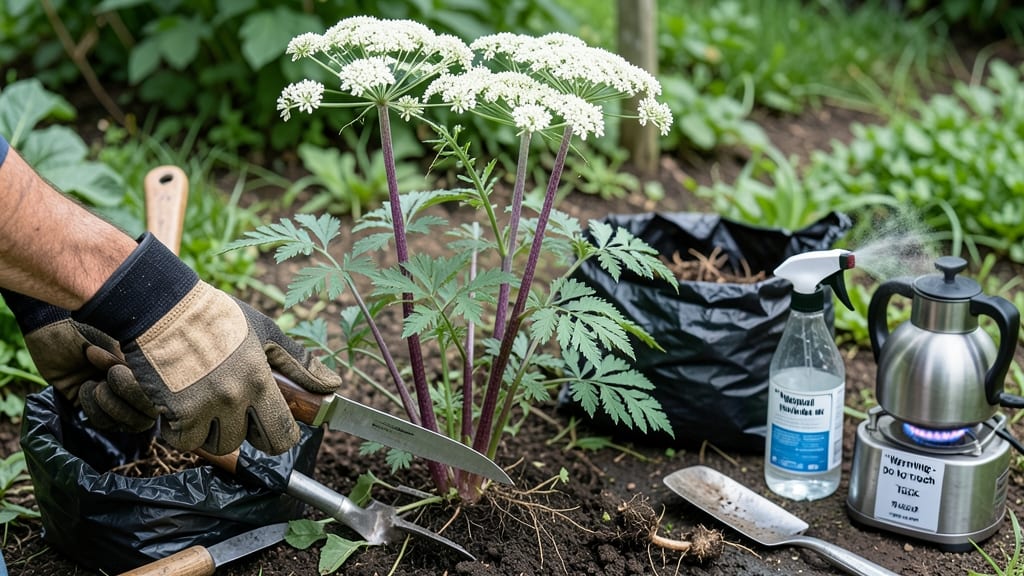
How to get rid of poison hemlock naturally—this invasive weed spreads faster than you think, so swift action is your best defense against stubborn regrowth in your garden. ✂️ This toxic plant mimics wild carrots but packs deadly sap; one whiff of its musty scent confirms it’s time to act. The boiling water method kills roots on contact, preventing regrowth that chemicals can’t always handle.
First, safety is non-negotiable: wear thick gloves, long sleeves, and goggles—this plant’s sap causes burns and can be fatal if ingested. Grab a kettle of freshly boiled water (at least 2 gallons) and pour it directly over the base of the plant, including roots.
Repeat weekly until the soil turns bare, then smother with thick cardboard or mulch to starve any remaining roots.
You’ll see wilting within 24 hours, but persistence is key—roots can linger. For stubborn patches, mix 1 gallon vinegar with 1 cup dish soap and drench the area; the soap breaks down the waxy leaves.
Test soil afterward to ensure no regrowth before replanting. The satisfaction of a hemlock-free garden is worth the effort.
This method works best in spring or fall when plants are actively growing. Avoid tilling—it spreads seeds. For large infestations, repeat treatments may be needed, but consistency wins. Your garden’s safety depends on acting now, before it spreads further.
Understanding Poison Hemlock’s Spread
Poison hemlock (Conium maculatum) isn’t just an unwelcome guest in your garden—it’s a crafty invader that thrives on opportunity. This toxic biennial plant spreads aggressively, often before homeowners even realize it’s there.
Below, we break down the key reasons why poison hemlock takes over, so you can spot the warning signs and act fast.
Poison hemlock relies on wind, water, and wildlife to spread its seeds like confetti. Each plant can produce up to 50,000 seeds per year, and they remain viable in the soil for 5+ years. Once mature, the plant releases seeds that hitch rides on:
- Wind currents (light, feathery seed heads catch the breeze easily).
- Floodwaters or rain runoff (seeds travel downstream, colonizing new areas).
- Animals (birds, deer, and even humans unknowingly transport seeds on fur, shoes, or tools).
💡 Pro Tip: If you’ve spotted hemlock near waterways, streams, or roadsides, assume seeds have already spread far beyond the visible plants. Check disturbed soil, compost piles, and garden edges—these are prime landing spots.
Poison hemlock is a sun-worshipper that loves:
- Full sun to partial shade (thrives in open fields, roadside ditches, and neglected gardens).
- Moist, well-drained soil (but tolerates poor soil if other conditions are right).
- Disturbed or compacted ground (common in construction sites, farmlands, or areas with heavy foot traffic).
Unlike many weeds, hemlock doesn’t compete well with dense ground covers or healthy lawns. But if it finds even a tiny gap—like a crack in pavement or a patch of bare soil—it’ll seize the chance to sprout.
Poison hemlock’s biennial growth pattern makes it especially sneaky:
- Year 1: Sprouts as a low, rosette-like plant (easy to mistake for carrot greens or wild parsley).
- Year 2: Bolts upward, reaching 6–10 feet tall with umbrella-shaped seed heads (now unmistakable—but too late to stop it).
⚠️ Warning: By the time you recognize the classic purple-spotted stems and fern-like leaves, the plant has already finished its toxic seed production. Even a small patch can mean hundreds of future invaders.
Unfortunately, humans play a major role in poison hemlock’s expansion:
- Landscaping mishaps: Contaminated mulch, soil, or potted plants from nurseries can introduce seeds.
- Improper disposal: Tossing hemlock clippings into compost or leaving roots in the ground lets it regrow.
- Agricultural practices: Tilling or plowing can bury seeds, tricking them into germinating later.
🔥 Key Takeaway: One overlooked plant can become a full-blown infestation in just two years. The sooner you identify and eliminate it, the less damage it’ll do.
Natural Ways to Eliminate Poison Hemlock
Poison hemlock (Conium maculatum) is a dangerous plant that can quickly take over your garden or yard if left unchecked. The good news? You can tackle it naturally without harsh chemicals.
Below are targeted solutions for different scenarios—whether you’re dealing with small patches, deep roots, or prevention for the future.
Cause: Early-stage growth or isolated plants Fix:
- Wear gloves and long sleeves—poison hemlock’s sap can irritate skin.
- Dig out the entire plant (roots and all) using a trowel or garden fork. Look for taproots (thick, white roots) that can regrow if left behind.
- Boil the plant in a pot of water for 10–15 minutes to kill any remaining roots and prevent reseeding. 🔥
- Compost the boiled remains (only if you’ve confirmed no viable seeds remain).
Pro Tip: 💡 Check for secondary shoots—hemlock often sends up new growth from the base. Reinspect the area after 2 weeks.
Cause: Dense clusters or established plants Fix:
- Cover the area with thick cardboard or black plastic (at least 3–4 layers) to block sunlight. Hemlock can’t photosynthesize without light and will die within 4–6 weeks.
- Add a 2–3 inch layer of mulch (straw, wood chips, or leaves) on top to suppress regrowth.
- Monitor for new sprouts—remove any that appear manually (as above).
Pro Tip: ✨ For stubborn roots, vinegar spray (1 gallon vinegar + 1 cup salt + 1 tbsp dish soap) can weaken plants before smothering. Reapply every 3–4 days until dead.
Cause: Persistent roots or recurring growth Fix:
- Water the soil thoroughly 2–3 days before solarization.
- Lay clear plastic sheeting directly over the hemlock-infested area, securing edges with soil or rocks.
- Leave for 6–8 weeks in direct sunlight (summer heat is ideal). This method kills roots and seeds by raising soil temps to lethal levels.
- Remove the plastic and till the soil to disrupt any remaining root fragments.
Pro Tip: 🌡️ For best results, solarize on dry, sunny days—moisture helps trap heat.
Cause: Avoiding future infestations Fix:
- Inspect new plants—hemlock often hitchhikes in garden centers. Avoid purchasing plants with unknown origins.
- Maintain healthy soil—dense, competitive ground covers (like clover or creeping thyme) outcompete weeds.
- Pull weeds regularly—don’t let hemlock (or any invasive) go to seed.
- Plant native species—many native plants naturally suppress weeds.
Pro Tip: 🎯 Plant comfrey or horseradish near problem areas—their deep roots crowd out hemlock over time.
Final Note: Always double-check before disposing of plants—poison hemlock resembles wild carrot (Queen Anne’s lace). If unsure, burn (safely) or take to a landfill. Stay vigilant, and your yard will stay hemlock-free!
Frequently asked questions about poison hemlock removal
Why does vinegar work better than just pulling poison hemlock?
Vinegar (especially with salt and dish soap) kills roots by breaking down cell walls, preventing regrowth. Pulling alone often leaves fragments that sprout again. The acidity in vinegar also weakens the plant's waxy leaves, making it easier to smother afterward.
How do I know if I’ve removed all the roots?
Look for white taproots—if any remain, new shoots will appear within 2 weeks. Dig deeper than you think; hemlock roots can extend 3 feet down. After removal, monitor the spot for 3 months to confirm no regrowth.
Can I use boiling water on other toxic plants like giant hogweed?
No—boiling water is safe for poison hemlock but not recommended for giant hogweed. Giant hogweed has sap that causes severe burns; use gloves, long sleeves, and avoid skin contact entirely. For hogweed, focus on smothering or professional removal instead.
What’s the fastest way to kill hemlock seeds already in the soil?
Solarization is your best bet: cover the area with clear plastic for 6–8 weeks in summer heat. This method raises soil temps to 120°F+, killing seeds and roots. For immediate action, mix 1 part vinegar to 1 part water and drench the soil.
Will chickens or goats eat poison hemlock?
No—both chickens and goats avoid poison hemlock due to its toxicity. Livestock poisoning is a real risk if they ingest it, so never rely on grazing as a removal method. Always remove hemlock manually or with natural herbicides first.