
Pests
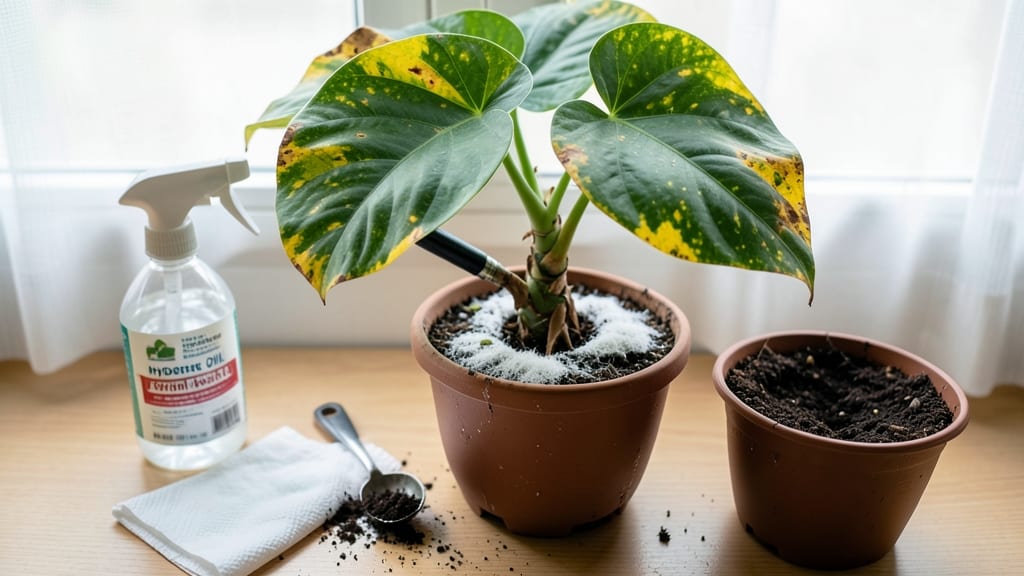
How to get rid of mushrooms in houseplants—they’re not just weird, they’re a red flag that your plant’s roots are drowning. 🌱 I’ve wrestled with this slimy invader more times than I’d like to admit, and the boil-and-pour barrier method finally gave me control without harsh chemicals. This isn’t about killing the mushrooms directly (though that’s part of it)—it’s about cutting off their food source. Overwatering creates the perfect damp, dark conditions for spores to thrive. The solution? A simple, foolproof technique that smothers spores while saving your plant’s roots from rot. By the end, you’ll have a clean, fungus-free growing medium where your plant can finally breathe. The best part? You’ll prevent future outbreaks with just a few adjustments to your watering routine. Works for ferns, calatheas, and even your finicky monstera—no matter how stubborn the mushrooms seem. Let’s get your plant back on track.
Root Causes of Fungal Growth
Mushrooms sprouting in your houseplants aren’t just a weird quirk of nature—they’re a clear sign your plant’s environment has gone off-balance. Understanding why these fungi appear is the first step to stopping them before they spread.
Below, we break down the most common triggers, backed by science, so you can address the real problem.
Mushrooms thrive in damp, oxygen-deprived conditions—basically, the opposite of what most houseplants need. When soil stays soggy for too long, excess moisture creates the perfect breeding ground for fungal spores.
- Why it happens: Overwatering or poorly draining soil traps water in the root zone, suffocating roots and inviting fungi like Rhizoctonia or Pythium. These pathogens break down organic matter (including dead roots) and release mushrooms as a byproduct.
- Science behind it: Fungal spores lie dormant in soil until moisture levels rise above 30-40% water content. Once activated, they grow toward water sources—often emerging near the soil surface as mushrooms.
- Red flags:
- Soil that stays clumpy or smells musty even days after watering.
- Water pooling at the base of the pot or dripping from drainage holes.
- Yellowing or wilting leaves (a sign of root rot, which mushrooms often follow).
💡 Pro Tip: Stick your finger 2 inches into the soil—if it’s damp, wait. If it’s bone-dry, water deeply but only until water runs freely from the drainage hole. Terracotta pots help, but they’re not foolproof if you overdo it.
Mushrooms are nature’s recyclers—they decompose dead plant material, compost, or even mulch. If your houseplant’s soil is rich in organic debris, you’re basically inviting a fungal buffet.
- Why it happens: Dead roots, fallen leaves, or old mulch provide food for saprophytic fungi (like Coprinus or Psathyrella). These fungi release enzymes to break down organic matter, and mushrooms are their reproductive stage.
- Science behind it: Fungi need carbon sources (like cellulose in dead plants) to grow. In pots, this often means:
- Overly thick mulch layers.
- Accumulated leaf litter or dead roots.
- Peat-based soils that don’t break down quickly.
- Red flags:
- Black or mushy soil patches.
- A "spongy" texture when poking the soil.
- Mushrooms appearing in clusters near old growth.
🔥 Warning: If you’ve recently repotted or added fresh compost, fungi may pop up as they colonize the new organic material. Sterilize soil (bake at 200°F for 30 minutes) or use cactus/succulent mix to reduce food sources.
Mushrooms love humidity—but they hate moving air. Stagnant, moist conditions turn your plant pot into a fungal greenhouse.
- Why it happens: Fungal spores need 90%+ humidity to germinate. In homes, this often happens when:
- Plants are grouped too closely (creating a microclimate).
- Humidifiers run near them without ventilation.
- Pots lack airflow (e.g., sealed plastic containers or tightly packed soil).
- Science behind it: Spores spread via air currents, but they land and grow where humidity lingers. Poor airflow also slows evaporation, keeping soil damp longer.
- Red flags:
- Condensation on leaves or pot surfaces.
- Mushrooms appearing on the surface of soil (not just at the base).
- White or gray fuzzy growth (mold) on soil or leaves.
🌡️ Fix It: Aim for 40-60% humidity around plants. Use a fan on low (3-4 hours/day) or spacer pots to improve airflow. Avoid misting—water at the base instead.
Not all fungal spores come from your plant’s environment—some hitch a ride from outside sources.
- Why it happens: Spores can lurk in:
- New soil: Store-bought potting mix isn’t always sterile. Bagged soil often contains dormant fungi.
- Gardening tools: Trowels, scissors, or even your hands can transfer spores from one plant to another.
- Compost or amendments: Unsterilized compost, bark chips, or worm castings may introduce fungal pathogens.
- Science behind it: Many mushrooms are opportunistic—they lie dormant until conditions (like moisture) activate them. If your soil is already stressed, even a few spores can trigger an outbreak.
- Red flags:
- Mushrooms appearing immediately after repotting or adding amendments.
- Multiple plants in the same area getting infected.
- No obvious soil moisture issues (but mushrooms still grow).
✨ Prevention: Sterilize tools with 70% isopropyl alcohol or boiling water. For soil, bake it at 200°F for 30 minutes or use pasteurized mix. Quarantine new plants for 2 weeks before introducing them to others.
Now that you know why mushrooms crash your houseplant party, the next step is fixing the problem—starting with a boil-and-pour barrier that smothers spores naturally. (Spoiler: It’s simpler than you think!)
How to Fix Fungal Foes in Potted Plants
Fungal growth in houseplants isn’t just unsightly—it can strangle your greenery if left unchecked. The good news? With the right approach, you can smother spores, restore your plants, and keep them thriving.
Below, we’ve mapped out targeted fixes based on the root cause, plus prevention tips to stop future outbreaks. Let’s get your plants back to their lush, fungus-free selves!
If mushrooms are popping up because your plant is drowning in moisture, drainage and airflow are your first line of defense.
🔥 Step 1: Drain the Damage
- Remove the plant from its pot and gently shake off excess soil to inspect roots. If roots are mushy or black (a sign of rot), trim them with sterilized scissors (wipe with rubbing alcohol).
- Repot immediately into a clean pot with fresh, well-draining soil. Avoid compacted or peat-heavy mixes—opt for cactus/succulent mix or add perlite/pumice (20-30%) for aeration.
👨🍳 Step 2: Adjust Your Watering Habits
- Wait until the top 1-2 inches of soil are dry before watering.
Stick your finger in—if it’s damp, wait! - Water deeply but less often: Drench the soil until water runs out the drainage holes, then empty the saucer. No soggy bottoms! - Upgrade your pots: Terracotta (which wicks moisture) or pots with multiple drainage holes help prevent waterlogging.
✨ Pro Tip:
💡 Bottom-watering (placing the pot in a tray of water for 10-15 mins) encourages roots to grow downward and reduces surface moisture—where spores love to party.
Mushrooms thrive on decaying organic matter. If your plant’s old leaves or fallen petals are the culprit, sanitation is key.
🔪 Step 1: Prune & Remove Debris
- Snip off dead/dying leaves with clean scissors. Drop them in a sealed bag (not the compost—spores can survive!).
- Vacuum or wipe down the pot’s surface, soil crust, and saucer with a damp cloth to remove hidden spores.
🌡️ Step 2: Boost Airflow
- Space plants apart (6+ inches between them) to reduce humidity pockets.
- Use a small fan (on low) near your plants for 10-15 mins daily to dry leaves faster.
- Avoid grouping plants in closed spaces like bathrooms—move them to brighter, airier rooms.
🎯 Prevention Hack:
✨ Weekly “leaf check”: Run your fingers over leaves to feel for sticky residue (honeydew from pests) or soft spots (early rot). Remove anything suspicious immediately.
If your soil is the problem (old, nutrient-depleted, or fungal-heavy), a full soil refresh is in order.
🍳 Step 1: Sterilize the Soil
- Bake contaminated soil in the oven at 200°F (93°C) for 30 minutes to kill spores (or use a microwave-safe dish for 2 mins).
- Mix in fungal inhibitors like: - 1 part perlite to 3 parts fresh potting mix - 1 tbsp cinnamon or copper fungicide per gallon of soil (natural but effective)
🔄 Step 2: Repot with a Barrier
- Line the pot with a layer of gravel or charcoal (1 inch) before adding fresh soil to improve drainage.
- Top with a thin layer of sand or orchid bark to discourage spore growth at the surface.
📊 Soil Swap Schedule:
💪 Replace potting mix every 12-18 months (or sooner if you notice moldy smells or slow growth).
Mushrooms love warm, damp conditions. If your home’s climate is the issue, control the microclimate.
🌡️ Step 1: Dial Down the Damp
- Use a hygrometer to monitor humidity—keep it below 60% for most houseplants.
- Wipe leaves with a damp cloth 1-2x/week to reduce surface moisture.
- Open windows or use a dehumidifier in problem areas (like bathrooms).
🌡️ Step 2: Optimize Light & Temp
- Move plants to brighter light (but avoid direct scorching sun, which stresses them).
- Keep temps stable: Most plants prefer 65-75°F (18-24°C). Avoid drafts from AC/heaters.
🌿 Quick Fix:
🔥 Group plants with succulents or cacti—they thrive in drier conditions and can “pull” moisture away from fungal-prone species.
If mushrooms persist, boost your defense with these DIY or store-bought solutions:
| Solution | How to Use | Frequency |
|---|---|---|
| Hydrogen Peroxide (3%) | Mix 1 tbsp per quart of water, spray soil (avoid leaves). | Weekly until clear |
| Neem Oil | Mix 1 tsp neem oil + 1 tsp mild soap per quart of water, spray foliage. | Every 5-7 days |
| Baking Soda | Dissolve 1 tsp baking soda + 1 quart water, spray only on leaves (not soil). | Biweekly |
| Copper Fungicide | Follow label instructions for soil drench. | Monthly (preventive) |
⚠️ Warning: Always test sprays on a small leaf first to avoid chemical burns.
- ✅ Water wisely: Less often, but thoroughly (drainage holes = non-negotiable).
- ✅ Clean up: Remove dead leaves daily (yes, really—spores spread fast!).
- ✅ Sterilize tools: Wipe pruners with rubbing alcohol between plants.
- ✅ Rotate pots: Let soil dry out completely between waterings.
- ✅ Quarantine new plants: Keep them separate for 2-4 weeks to spot issues early.
By tackling the root cause (literally!) and adjusting your care routine, you’ll smother spores before they sprout—and your houseplants will thank you with vibrant, fungus-free growth. 🌱✨
Frequently asked questions about houseplant mushrooms
Are mushrooms in houseplants harmful to my plant?
Yes, they’re a red flag for serious issues. Mushrooms indicate overwatering or root rot, which can suffocate your plant’s roots. The fungi themselves don’t harm the plant directly, but they thrive in conditions that lead to soil-borne diseases and root decay. Act fast to save your plant!
Can I just pull out the mushrooms and keep watering normally?
No—removing mushrooms alone won’t fix the problem. They’re a symptom, not the cause. You must address moisture levels first: let the soil dry completely between waterings, improve drainage, and sterilize the soil to prevent spores from returning. Otherwise, new mushrooms will pop up within days.
What’s the fastest way to kill mushroom spores in potting soil?
Baking the soil at 200°F (93°C) for 30 minutes is the most effective method. For a quicker fix, mix in 1 tbsp cinnamon or copper fungicide per gallon of soil—both naturally inhibit fungal growth. Avoid chemical sprays unless absolutely necessary, as they can harm your plant’s roots.
Will my other houseplants get infected if mushrooms appear in one pot?
There’s a risk, but it depends on airflow and humidity. Fungal spores spread easily in damp environments, so quarantine the infected plant immediately. Clean tools with 70% isopropyl alcohol between uses, and avoid placing other plants nearby until the issue is resolved. Good airflow (like a small fan) helps prevent cross-contamination.
Can I still use the same pot after treating mushroom growth?
Only if you sterilize it thoroughly. Scrub the pot with hot, soapy water, then disinfect with a 10% bleach solution (1 part bleach to 9 parts water). Rinse well and let it dry completely. For extra protection, line the pot with a layer of charcoal or gravel before repotting to create a barrier against future spores.