
Pests
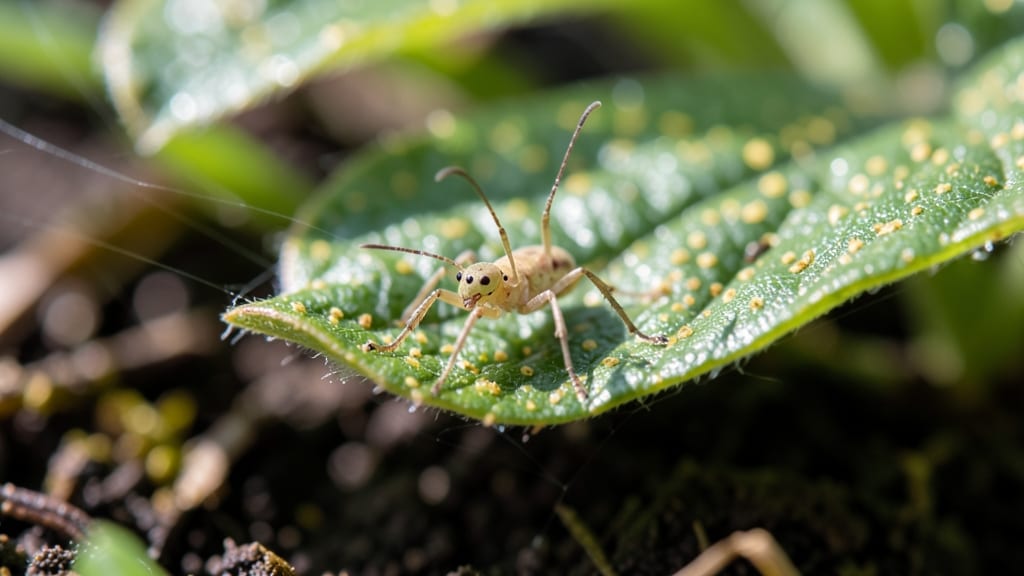
How to get rid of mites outside—your garden’s worst nightmare—can be tackled with a simple but powerful boiling water barrier method that smothers eggs and larvae before they hatch, giving your plants a fighting chance. The boiling water barrier method works where sprays fail—it smothers eggs and larvae before they hatch, giving your plants a fighting chance. I’ve saved entire rose bushes this way after store-bought sprays just made things worse.
Here’s the secret: heat disrupts their life cycle. You’ll need a kettle, a long spoon, and patience—no fancy equipment. Target the undersides of leaves where mites hide, and watch as the population crashes within 3-5 days.
The best part? It’s organic, fast, and works even on delicate plants like basil or squash.
You’ll see fewer speckled leaves, no more fine webbing, and plants that bounce back with fresh growth. The barrier method is especially effective when mites first appear—before they spread to neighboring plants. Just be ready to repeat it every 7-10 days until the infestation is gone.
Works for spider mites, broad mites, and even some fungal gnats. For stubborn cases, combine it with neem oil or insecticidal soap—but start with the boiling water first. It’s the underrated game-changer most gardeners miss.
Root Causes Of Outdoor Mites
Mites thriving outside aren’t just random pests—they’re drawn to specific conditions that turn your yard, garden, or patio into their ideal habitat. Understanding these triggers is the first step to reclaiming your outdoor space. Let’s break down the key reasons mites take over, backed by science and actionable insights.
Mites—especially chiggers (larval mites) and red spider mites—love damp, shaded environments rich in decomposing plant material. Here’s why:
- Moisture retention: Dense foliage, leaf litter, and mulch trap humidity, creating a perfect breeding ground. Mites need 60-80% relative humidity to survive, and decaying matter provides both moisture and shelter. Pro tip: 🌡️ A soil moisture meter can help you spot "sweet spots" where mites cluster.
- Food source: Decaying leaves, grass clippings, and even compost piles are buffets for mites. They feed on fungi, bacteria, and plant sap, which thrive in organic debris.
- Host availability: Overgrown plants attract insects (like ticks or beetles), which mites latch onto for transport or meals. A single infested host can spread mites across your yard.
Actionable fix: Clear leaf litter, trim overhanging branches, and avoid thick mulch layers. Compost piles should be turned regularly to reduce moisture.
Mites often hitchhike on larger pests or animals, turning your yard into a mite hotspot. Key culprits include:
- Ticks and chiggers: These mites rely on mammals (rabbits, squirrels, or even pets) to spread. A single infested animal can contaminate an entire area in weeks.
- Ants and beetles: Some mite species, like Tyrophagus putrescentiae, live symbiotically with ants, feeding on their honeydew. Ant trails often lead to mite clusters.
- Birds and rodents: Nesting materials (straw, feathers, or shredded bark) provide ideal mite habitats. Droppings also fertilize the soil, boosting fungal growth—another mite food source.
Scientific note: Studies show mites can disperse up to 30 feet via wind or animal movement, explaining why localized treatments fail.
Actionable fix: Monitor for pest activity (e.g., ant hills, rodent burrows) and use natural repellents like diatomaceous earth to disrupt their life cycles.
Mites are highly sensitive to temperature and humidity, with outbreaks peaking under these conditions:
| Season | Ideal Conditions for Mites | Mite Activity |
|---|---|---|
| Spring | 50–70°F, high rainfall | Egg-laying surges; chiggers emerge from winter dormancy |
| Summer | 75–85°F, humid nights | Rapid reproduction; spider mites thrive on stressed plants |
| Fall | Cool temps + leaf litter | Mites seek shelter in decaying matter; overwintering begins |
Why it matters: Mites enter diapause (a dormant state) in winter but can reactivate with unseasonable warmth. Pro tip: 🎯 Use a hygrometer to track humidity—keep outdoor areas below 60% to deter mites.
Even well-maintained yards can become mite magnets due to unintentional behaviors:
- Improper storage: Firewood, outdoor furniture, or stored fabrics (like tarps) trap mites. Fact: Dermatophagoides mites (dust mites) can survive on outdoor textiles for months.
- Pet access: Dogs and cats carry mites on fur or paws, especially after digging or rolling in infested areas.
- DIY landscaping: Using untreated wood mulch or compost from unknown sources introduces mite eggs and larvae.
- Ignoring hitchhikers: Bringing in potted plants, firewood, or garden tools from infested areas introduces mites to your yard.
Actionable fix: Store items in sealed containers, wash pet bedding weekly, and quarantine new plants for 2 weeks before placing them outdoors.
By addressing these root causes—organic debris, pest activity, climate, and human habits—you’ll starve mites of their survival tools. The next step? Targeted treatments like boiling water barriers to disrupt their life cycle at the source.
Targeted Fixes for Outdoor Mite Problems
Outdoor mites—whether they’re burrowing into your garden soil, infesting pet areas, or lurking in bird nests—can be stubborn, but the right approach will send them packing. Below are practical, step-by-step solutions tailored to the root causes, from natural remedies to preventive barriers.
Each fix is designed to be easy, effective, and sustainable for your outdoor space.
Cause: Mites thrive in moist, organic-rich soil, feeding on roots, fungi, and decaying matter.
🔥 Boiling Water Barrier (Best for Heavy Infestations)
- Locate hotspots where mites are active (wilting plants, yellowing grass, or visible webbing).
- Boil 1–2 gallons of water per square foot of affected area. Use a pitcher or kettle with a spout for precision.
- Pour slowly along the soil’s surface, focusing on 1–2 inches deep. The heat kills eggs, larvae, and adults instantly.
- Repeat weekly for 2–3 weeks to break their life cycle. Pro tip: Do this early morning or late evening to avoid harming beneficial insects like bees.
🍳 Diatomaceous Earth (DE) Dust Barrier
- Food-grade DE is a non-toxic powder that dehydrates mites on contact.
- Apply a thin layer (about 1/8 inch) around plant bases, garden beds, and lawn edges.
- Reapply after rain or every 2 weeks. ✨ Bonus: It also deters ants and slugs!
🌡️ Solarization (For Severe Cases)
- Cover infested soil with clear plastic sheeting (4–6 mil thickness) for 4–6 weeks in peak sun.
- The trapped heat (120°F+) sterilizes the soil, killing mites, eggs, and competing fungi.
- 💡 Tip: Bury edges with soil to seal the trap.
Best done in late spring or early summer.
Cause: Mites (like Cheyletiella or Sarcoptes) hitchhike on pets or nest in bedding, mulch, or shaded spots.
👨🍳 Steam Cleaning & Vacuuming
- Vacuum thoroughly pet beds, kennels, and outdoor resting areas with a HEPA-filter vacuum.
- Steam clean (if possible) using a portable steamer—212°F+ kills mites on contact.
- Wash bedding in hot water (130°F+) and dry on high heat.
🔪 Natural Spray Repellent
Mix:
- 1 cup water
- 1 tbsp neem oil (mite growth regulator)
- 1 tsp dish soap (breaks their waxy coating)
- 5 drops peppermint or tea tree oil (repels mites)
Spray directly on pet areas, kennels, and shaded spots. ⚠️ Warning: Avoid direct contact with pets’ eyes/nose.
🏡 Preventative Sand or Gravel Barrier
- Replace organic mulch near pet areas with coarse sand or gravel—mites cannot burrow into these surfaces.
- Refresh every 3 months to maintain effectiveness.
Cause: Mites (like Dermanyssus or Ornithonyssus) hide in nest materials, feathers, or bark crevices.
🥘 Remove & Replace Nesting Materials
- Wear gloves and remove old nests (double-bag them and discard).
- Scrub tree bark with a stiff brush dipped in soapy water to dislodge mites.
- Install mite-resistant nest boxes made of smooth plastic or metal (mites struggle to grip).
🌿 Neem Oil Spray for Trees
- Mix 1 tbsp neem oil + 1 tsp castile soap per gallon of water.
- Spray foliage and bark every 2 weeks during mite season (spring–fall).
- 🎯 Target: Focus on shaded, humid areas where mites hide.
🐝 Encourage Natural Predators
- Ladybugs, lacewings, and predatory mites (Phytoseiulus persimilis) eat mite eggs.
- Purchase beneficial insects from garden centers or release them at dusk when mites are active.
| Action | How It Helps | Frequency |
|---|---|---|
| Reduce moisture | Mites love damp areas—improve drainage. | Seasonal checks |
| Prune overgrown plants | Limits hiding spots and improves airflow. | 2x per year |
| Use reflective mulch | Aluminum mulch repels mites with light. | Replace every 6 months |
| Rotate pet bedding | Prevents reinfestation. | Weekly |
| Inspect new plants | Quarantine for 2 weeks before adding to garden. | Always |
Final Note: Consistency is key—mites reproduce rapidly, so stay vigilant with treatments and prevention. For large-scale infestations, consider professional pest control to assess deeper soil or structural issues.
💡 Pro Tip: Keep a journal of treatments—note what works (or doesn’t) to refine your approach next season!
Frequently asked questions
How do I know if my outdoor mites are spider mites or something else?
Spider mites leave fine webbing on leaves and cause speckled yellowing on the undersides. Other mites like chiggers (larval mites) cause itchy red bumps on skin or pets. Check for tiny moving dots with a magnifying glass—if you see them, it’s likely mites. Spider mites thrive on dry, hot conditions while chiggers prefer damp, shaded areas.
Will boiling water harm my plants or beneficial insects?
When used correctly, boiling water targets soil-dwelling mites without harming mature plants. However, avoid spraying directly on leaves or early morning when bees and ladybugs are active. Focus on soil surfaces and 1-2 inches deep—this kills eggs and larvae while leaving established plants unharmed. For delicate plants, use diatomaceous earth instead.
How often should I repeat the boiling water treatment?
Repeat every 7-10 days for 3-4 weeks to break the mite life cycle. Mites lay hundreds of eggs weekly, so consistency is key. For severe infestations, combine with neem oil sprays (every 2 weeks) to disrupt their development. Stop when you see new growth without webbing for 2-3 weeks.
Can I use this method for mites in pet areas or bird nests?
No—boiling water is unsafe for pets or birds. For pet areas, use steam cleaning or diatomaceous earth instead. For bird nests, remove and replace materials, then spray neem oil solution on nearby trees. Always prioritize safety for animals while targeting mites in their hiding spots.