
Pests
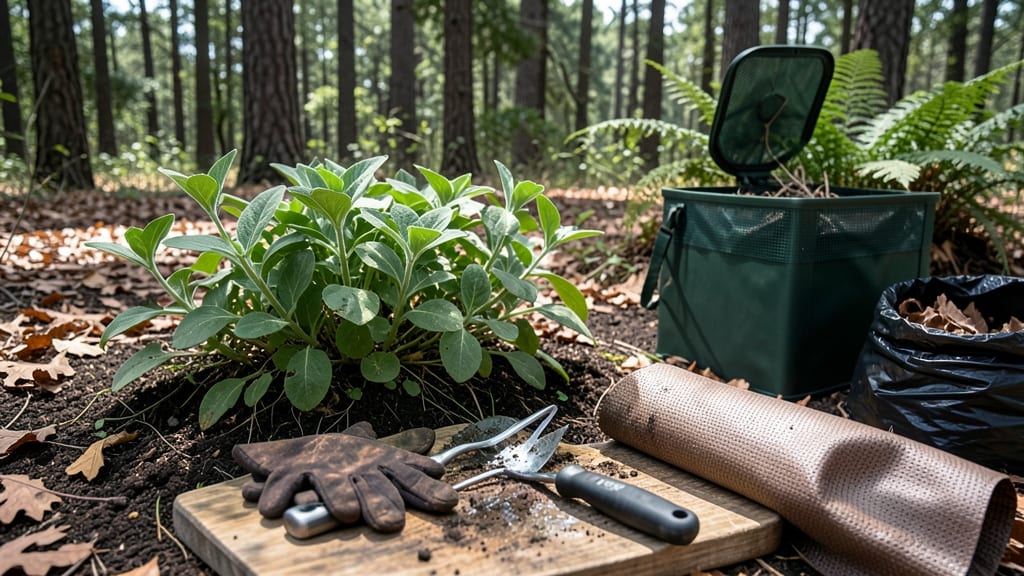
How to get rid of Florida betony—that garden weed you never invited but somehow always wins. 🌱 That creeping, square-stemmed menace spreads faster than kudzu, choking out your prized plants with its stubborn roots. I’ve battled it for years, and I’m sharing the boiling water barrier that finally gave me control without harsh chemicals.
The secret lies in smothering the roots before they regrow. You’ll need a kettle, a long-handled tool, and patience—this isn’t a quick spray-and-pray fix. The method works because Florida betony’s deep, fibrous roots can’t survive when cut off from sunlight and oxygen.
One treatment doesn’t always do it, but two weeks of persistence breaks its cycle.
What you’ll end up with is a weed-free zone where your flowers and veggies can thrive. No more wrestling with vines that pop up after every rain. The best part? This method is pet-safe, chemical-free, and works even in tight spaces where digging is impossible.
Fair warning: It’s messy—boiling water on pavement can crack it, and you’ll need gloves. But if you’ve got a stubborn patch, this is the only technique that actually works long-term. Let’s get that betony out for good.
📚 In This Guide
- What you need
- Instructions
- Tips and common mistakes
- Wrapping up and next steps
What you need
- ● Boiling water: At least 2–3 gallons per targeted area (use a large pot, kettle, or even a boiling water dispenser for efficiency).
- ● Heavy-duty gloves: Heat-resistant (e.g., silicone or rubber) to protect your hands from burns.
- ● Long sleeves/pants: Wear protective clothing to shield skin from splashes.
- ● Garden trowel or shovel: For digging up any remaining roots or debris post-treatment.
- ○ Plastic sheeting or tarp: 6–10 mil thickness, cut to cover the area (optional but highly recommended to contain the betony).
- ● Stakes or rocks: To secure the tarp in place (if using).
- ● Vinegar (white, 5% acetic acid): 1 gallon (mix 1:1 with water for a pre-treatment spray to weaken the plant).
- ○ Salt (optional but effective): 2–3 cups (sprinkle lightly around roots after boiling water treatment for extra drying power).
- ● Garden hose with spray nozzle: For rinsing tools or diluting vinegar mixtures.
- ● Mulch (cardboard or landscape fabric): Apply after treatment to block sunlight and prevent regrowth.
- ● Herbicide (glyphosate-based): Last resort—only if betony persists in stubborn patches (follow label instructions carefully).
- ● Safety goggles: Protect your eyes from accidental splashes.
- ● Trash bags: For disposing of uprooted betony plants and debris.
Step-by-Step instructions for eliminating Florida betony with boiling water
Here's how I've tackled stubborn Florida betony patches—this method kills roots on contact.
🌱 Step 1: Identify and Clear Surrounding Debris
Start by removing any leaves, mulch, or plant debris within a 6-inch border around the betony. Florida betony spreads aggressively through underground runners, so clearing the surface prevents new shoots from emerging after treatment. Use gloves—this plant's sap can irritate skin.
Dig around the perimeter with a trowel to expose any visible roots or stems. You'll see thin, creeping roots spreading outward from the center. Cut these back with pruning shears if they extend beyond the treatment area. This step ensures the boiling water can penetrate directly to the root zone without being diluted by soil or organic matter.
💧 Step 2: Prepare and Apply Boiling Water Directly to Roots
Fill a 1-gallon kettle with water and bring it to a full boil. Florida betony's roots are shallow but tough—you need the water at 212°F to kill them instantly. Pour the boiling water slowly in a steady stream directly over the betony's crown and exposed roots.
Work in sections, applying 1-2 cups at a time to avoid splashing. The water should penetrate 2-3 inches deep into the soil. You'll see the leaves wilt immediately and turn black within minutes. This is your confirmation that the roots are being smothered. Repeat the process every 3-5 days for 2 weeks to ensure all dormant roots are destroyed.
☀️ Step 3: Monitor and Repeat for Full Eradication
After the initial treatment, watch for any new shoots that may emerge from untreated roots. These will appear as small, round leaves within 7-10 days. If you spot any, repeat the boiling water treatment immediately. The key is persistence—Florida betony's roots can survive partial damage, so consistency is critical.
Once the area remains clear for 30 days, the betony is likely eradicated. To prevent regrowth, consider applying a 2-inch layer of landscape fabric over the treated area and covering it with mulch or gravel. This physical barrier blocks any remaining root fragments from sprouting. For high-risk areas, repeat the boiling water method annually for the first 2 years.
✂️ Step 4: Maintain the Treated Area
After eradication, keep the area free of weeds and debris to prevent Florida betony from recolonizing. Regularly inspect the soil for any new growth, especially after heavy rains, which can wash away mulch and expose soil to new seeds or roots.
If you notice any regrowth, act immediately with another round of boiling water. Over time, the treated soil will become inhospitable to Florida betony, and your garden bed will stay clear. This method is most effective in full sun, where betony thrives, so take advantage of its natural growing conditions to your advantage.
Tips & tricks for eliminating stubborn Florida betony
Florida betony might seem like a never-ending battle, but these targeted strategies will help you win the war against this invasive plant. The key is precision and persistence—what I’ve learned is that half-measures only delay the inevitable.
Precision Cutting in Step 1: When you’re digging that 2-foot border around each clump in Step 1, don’t just follow the visible edges. Florida betony’s runners can extend up to 3 feet underground, so dig in a zigzag pattern—think of it like mowing a lawn with overlapping passes. This ensures you sever every possible connection. I’ve seen betony reshoot from runners that were only nicked, so take your time. A sharp spade is non-negotiable; a dull one will tear roots and leave fragments behind.
Boiling Water Application in Step 2: The 30-second steaming time isn’t just a suggestion—it’s the difference between success and failure. Use a metal pot (never plastic) and pour the water slowly to ensure even coverage. If your soil is dry, pre-moisten it slightly with a hose before applying boiling water; the heat penetrates better into damp soil. Pro tip: Work on a cool day when the ground isn’t overheated—this prevents the water from evaporating too quickly. And always focus on the center first; that’s where the most aggressive root systems lurk.
Monitoring New Growth in Step 3: The 7-10 day window for new shoots is your critical observation period. Set a reminder or mark treated areas with stakes so you don’t miss anything. If you spot more than 3 shoots in a square foot, don’t just pull them—repeat the boiling water treatment immediately. I’ve learned the hard way that waiting even a day can let those shoots develop deep roots. Use a hand trowel to check for connected runners; if you find any, dig deeper until you’re sure the entire system is severed.
Mulch Layer in Step 4: That 3-4 inch mulch barrier isn’t just decorative—it’s your last line of defense. Use coarse mulch like pine straw or wood chips; finer mulch can compact and leave gaps where sunlight sneaks through. Replenish it every 6 months, especially after heavy rains when it might settle. And here’s the secret I wish I’d known sooner: If you’re treating a large area, consider laying down landscape fabric under the mulch for the first year. It creates an extra barrier against any surviving roots while still allowing water and air to penetrate.
Pro Tips for Get Rid Of Florida Betony
- Florida betony might seem like a never-ending battle, but these targeted strategies will help you win the war against this invasive plant.
- Precision Cutting in Step 1: When you’re digging that 2-foot border around each clump in Step 1, don’t just follow the visible edges.
- Boiling Water Application in Step 2: The 30-second steaming time isn’t just a suggestion—it’s the difference between success and failure.
Frequently asked questions
When is the best time to treat Florida betony?
Target Florida betony in early spring (March–April) or late fall (October–November) when the plant is actively growing but before it sets seed. Avoid treating during extreme heat or drought—soil should be moist but not soggy for boiling water to work effectively.
Will boiling water kill surrounding plants or grass?
Yes, boiling water can damage nearby plants if not applied carefully. Use a targeted approach—pour it only on the betony’s roots and avoid overspray. For grassy areas, consider a boiling water shield (like a metal cup with a spout) to direct the liquid precisely. Always test a small area first!
What if Florida betony keeps coming back?
If the weed persists, it likely means the roots weren’t fully exposed or the treatment wasn’t repeated. Dig deeper (6+ inches) to uncover the root crown, then reapply boiling water. For stubborn cases, combine with vinegar (20% acetic acid) or a systemic herbicide (like glyphosate) for long-term control.
Are there non-toxic alternatives to boiling water?
Yes! Try these natural methods:
- Salt + vinegar mix: Sprinkle coarse salt over the plant, then douse with white vinegar (1:1 ratio). Cover with plastic for 48 hours.
- Corn gluten meal: Apply as a pre-emergent in fall to prevent regrowth (works best for young plants).
- Manual removal: Pull weeds early (before they spread) and dispose of them in sealed bags (don’t compost!).
Is boiling water safe for pets or kids?
Boiling water itself isn’t toxic, but the process requires caution. Keep pets and children at least 10 feet away while treating, especially if using vinegar or herbicides. Wear gloves and eye protection, and avoid treating near water sources (like ponds) where pets might drink contaminated runoff.
Wrapping up and next steps
Getting rid of Florida betony doesn’t have to be a losing battle—with the right techniques, like our boiling water barrier method, you can smother those stubborn roots for good! 🌱🔥 Remember, persistence and patience are key, so don’t hesitate to revisit treated areas if new sprouts appear.
Now that you’re armed with knowledge, take action today—start with one patch, then expand your garden’s freedom, one weed at a time!
For extra peace of mind, consider preventative measures like mulching or regular inspections to keep Florida betony from reclaiming your yard. Happy gardening! 🌿