
Pests
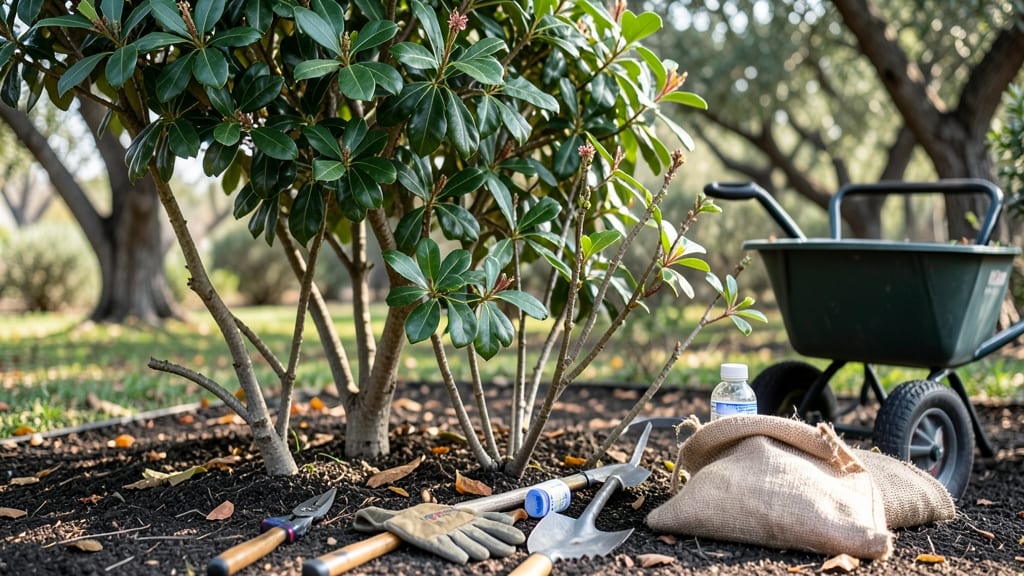
How to get rid of crepe myrtle shoots—it’s the battle every gardener dreads after a rainstorm. 🌱 I’ve battled these stubborn suckers for years, and I finally cracked the code—deep-cut pruning stops them for good. The secret isn’t just cutting what you see; it’s targeting the roots where they start. Most people make the mistake of hacking at the top, only to watch new shoots pop up within weeks. That’s because crepe myrtles spread aggressively from underground roots. You need sharp pruners, a sunny day, and the patience to dig deeper than you think. The payoff? A yard free of these fast-growing invaders by next spring. Start by cutting shoots at the base, then dig down 6-12 inches to expose the root system. Snip any remaining root stubs—even a tiny piece can regrow. It’s tedious work, but it works. Once you’ve done it once, you’ll never look at a crepe myrtle the same way again. This method works for both ornamental and wild varieties, and it’s safer than herbicides. Just be ready to repeat the process for a few seasons until the roots are fully depleted. Your yard will thank you!
📚 In This Guide
- What you need
- Instructions
- Tips and common mistakes
- Wrapping up and next steps
What you need
- ● Pruning shears or loppers: A sharp pair with bypass blades (for clean cuts) or anvil blades (for thicker stems). Size: 6–10 inches for small shoots, 12+ inches for thicker growth.
- ● Gloves: Heavy-duty gardening gloves (nitrile-coated for grip and protection against thorns). Quantity: 1–2 pairs.
- ● Pruning saw: A folding pruning saw for stubborn, woody shoots (3–4 inches long).
- ● Rake or hoe: A stiff-bristle rake or broad-hoe to clear debris and young shoots from the ground.
- ● Trash bags or bucket: For disposal of cuttings (10–20 gallon capacity).
- ● Hose or water source: To clean tools and rinse hands afterward.
- ● Root barrier fabric: If you’re preventing future shoots, lay down landscape fabric (3–4 ft wide) around the base of mature trees.
- ● Systemic herbicide (glyphosate): For chemical control—only use if mechanical methods fail. Note: Follow label instructions carefully!
- ● Knee pads: For comfort if you’ll be kneeling or bending for extended periods.
- ● Disinfectant (rubbing alcohol or bleach solution): To sterilize tools between cuts and prevent disease spread.
Step-by-Step guide to eliminating crepe myrtle shoots
Here's the method I've used to stop those stubborn crepe myrtle suckers for good.
🪴 Step 1: Identify and Locate the Mother Tree
Crepe myrtle shoots always originate from the original tree's root system. Walk around your yard and locate the main tree—this is your starting point. Look for the thickest trunk and largest canopy, as these are the most aggressive producers of shoots. I always check a 10-foot radius around the base, since roots can spread surprisingly far.
Dig gently with a trowel about 6 inches deep around the base to spot any visible roots or small shoots. You'll often find a ring of shoots forming a perfect circle around the main tree. This is your target zone for treatment. Mark it with spray paint if needed—it'll make your work much easier later.
✂️ Step 2: Cut Shoots at the Base with Precision
Grab your pruners or loppers and cut each shoot at the ground level, making sure to remove the entire stem down to the root collar. Don't leave even a small stub—this is where new shoots will grow. I like to work in sections, clearing a 3-foot radius at a time to stay organized.
For thicker shoots, you might need a saw. Cut cleanly at a 45-degree angle to prevent water from pooling on the cut surface. After cutting, pull gently to ensure you've removed the entire shoot. If resistance remains, dig deeper to uncover the root and cut it off completely. This is the only way to prevent regrowth.
💧 Step 3: Apply a Root Barrier or Herbicide Treatment
Once all visible shoots are removed, create a barrier to prevent new ones from emerging. I use a 2-foot wide strip of landscape fabric buried 12 inches deep around the tree's drip line. This blocks the roots from sending up new shoots. For a chemical approach, apply a systemic herbicide like glyphosate directly to the cut stumps and surrounding soil.
Follow the product instructions carefully—overapplying can harm nearby plants. I prefer the fabric method for ornamental areas because it's chemical-free and lasts for years. Water the area lightly after treatment to help the herbicide or barrier settle properly into the soil.
☀️ Step 4: Monitor and Repeat as Needed
Check the treated area every 2-4 weeks during the growing season for any new shoots. New growth will be small and easy to spot—don't wait until they're tall before acting. I keep a small spray bottle of herbicide on hand for quick treatment of any stragglers.
If you see persistent shoots after a few months, dig deeper around the base to uncover any remaining roots. Sometimes the original roots are deeper than expected. This might require a few seasons of vigilance, but consistency is key. Once you've eliminated the root source, new shoots will stop appearing entirely.
🌱 Step 5: Maintain the Tree for Long-Term Prevention
To keep your crepe myrtle healthy and reduce future shoot production, give it proper care. Prune the main tree annually in late winter to remove dead wood and shape it properly. This encourages stronger growth from the main trunk rather than from the roots.
Mulch around the base with 2-3 inches of organic mulch, keeping it 6 inches away from the trunk to prevent rot. This helps suppress weed competition and maintains even moisture. A well-maintained tree is less likely to send up aggressive shoots, making your prevention efforts much more effective over time.
Tips & tricks for permanent crepe myrtle shoot prevention
These battle-tested strategies will help you eliminate those pesky shoots for good—without the frustration.
Precision Cutting is Everything: In Step 2, when you're cutting shoots at the base, make sure to use a sharp pruner or saw—dull tools can crush the stem instead of cutting cleanly. This crushes the plant's ability to heal properly, leaving it vulnerable to regrowth. I like to make a clean cut at a 45-degree angle to prevent water from pooling on the wound, which could encourage rot or new growth. After cutting, give a gentle tug to ensure the entire root is removed—if it pulls out easily, you've done it right.
Mark Your Battle Zones: Before you start digging in Step 1, grab some spray paint and mark a 10-foot radius around your main tree. This creates a clear boundary for where to focus your efforts. I use bright orange paint so I can spot it easily when I'm checking for new shoots later. This visual guide helps you stay organized and ensures you don't miss any areas where roots might be sending up new shoots. Think of it as your personal "do not cross" line for crepe myrtle invaders.
The Two-Week Rule Pays Off: In Step 4, when you're monitoring for new shoots, don't wait until you see something obvious—check every 2 weeks during growing season. New shoots start small, often just a few inches tall, and can be easily missed if you're not vigilant. I keep a small spray bottle of herbicide in my gardening toolbox so I can treat any stragglers immediately. The key is catching them early before they establish roots and become harder to remove.
Long-Term Maintenance Wins: Step 5 isn't just about mulching—it's about creating an environment where your main tree thrives while suppressing unwanted growth. That 2-3 inches of organic mulch should extend out to the 10-foot radius you marked earlier. This creates a natural barrier that makes it harder for roots to send up new shoots. Plus, well-maintained trees are less likely to produce aggressive suckers in the first place. Think of it as creating a "no-shoot zone" around your prized tree.
Pro Tips for Get Rid Of Crepe Myrtle Shoots
- These battle-tested strategies will help you eliminate those pesky shoots for good—without the frustration.
- Precision Cutting is Everything: In Step 2, when you're cutting shoots at the base, make sure to use a sharp pruner or saw—dull tools can crush the stem instead of cutting cleanly.
- Mark Your Battle Zones: Before you start digging in Step 1, grab some spray paint and mark a 10-foot radius around your main tree.
Frequently asked questions
about crepe myrtle shoots—because even the best-laid plans need a little troubleshooting! Here are answers to the most common questions to help you tackle those pesky volunteers with confidence.When is the best time to remove crepe myrtle shoots?
Remove shoots immediately after they sprout—ideally in early spring (March–April) or late summer (August–September). This prevents them from establishing deep roots. For stubborn regrowth, repeat treatments every 2–4 weeks until no new shoots appear. Pro tip: Target shoots before they reach 6 inches tall for easiest removal!
Will cutting crepe myrtle shoots at the base stop them for good?
Not always! Shoots often regrow from roots if you don’t cut deep enough (at least 6–12 inches below soil level). For permanent results, combine cutting with a vinegar or herbicide treatment (like glyphosate) or smother them with cardboard/mulch. Think of it like rooting out weeds—patience and persistence pay off!
Are there natural ways to kill crepe myrtle shoots without chemicals?
Try these eco-friendly methods:
- Smothering: Cover shoots with thick cardboard or black plastic for 4–6 weeks to block sunlight.
- Boiling water: Pour boiling water directly into the hole where the shoot sprouted (works best in dry soil).
- Salt or vinegar: Mix 1 part salt or vinegar with 1 part water and spray on shoots (avoid desirable plants!).
For large areas, mulching with wood chips can suppress new growth over time.
What if I accidentally damage my main crepe myrtle tree while removing shoots?
Don’t panic! Crepe myrtles are tough. If you nick the trunk or branches, just:
- Clean the wound with rubbing alcohol.
- Apply pruning sealant (optional—some gardeners skip this).
- Monitor for signs of disease (oozing sap, mold) and treat if needed.
If the damage is severe, focus on proper pruning techniques next time to avoid mistakes. Your tree will bounce back!
Should I replace crepe myrtle shoots with something else?
If you’re tired of the battle, consider replacing them with low-maintenance alternatives like:
- Dwarf crape myrtle varieties (e.g., ‘Tonto’ or ‘Arapaho’).
- Native shrubs (e.g., abelia, butterfly bush, or oakleaf hydrangea).
- Ground covers (e.g., lantana, creeping phlox) to block sunlight and suppress regrowth.
Before planting, remove all crepe myrtle roots (dig 12+ inches deep) to prevent future shoots. Think of it as a fresh start for your landscape!
Wrapping up and next steps
Getting rid of crepe myrtle shoots doesn’t have to be a never-ending battle—with the right techniques, you can take control and keep your yard looking tidy! 🌿 The key is deep-cut pruning and consistency, whether you’re digging, mowing, or using herbicides.
Start small, stay patient, and soon those stubborn shoots will be a thing of the past.
Ready to reclaim your landscape? Pick your method (manual removal, vinegar spray, or pre-emergent herbicides) and tackle those shoots before they take over. Your future self—and your lawn—will thank you!