
Pests
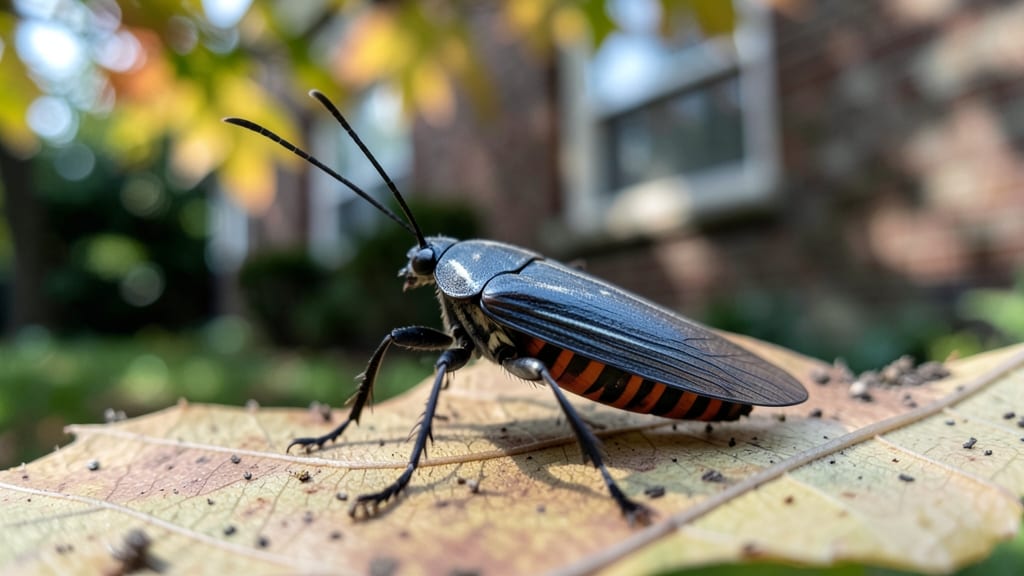
How to get rid of boxelder bugs outside your house—these shiny black-and-red pests aren’t just annoying; they’re drawn to your home’s heat like a magnet. The good news? Heat-activated traps work better than sprays, catching them before they sneak indoors. Most people assume these bugs are just a summer nuisance, but they actually seek shelter in fall and winter, clustering on siding, windows, and doorframes. A single trap near your foundation can eliminate hundreds in a week, saving you from messy sprays and chemical residue. You’ll see immediate results—fewer bugs on your walls, fewer squished pests on your porch, and a cleaner outdoor space. The traps are reusable, so you’ll keep using them season after season. This method works for any home, whether you’ve got a small patio or a sprawling yard. Let’s make your property their last stop!
Why Boxelder Bugs Invade Your Yard
Boxelder bugs—those striking black-and-red invaders—don’t just appear out of nowhere. Their presence outside your home is the result of a mix of natural behaviors, environmental cues, and unintentional human assistance.
Understanding why they show up is the first step to stopping them before they become a nuisance. Let’s break down the science behind their yard takeovers.
Boxelder bugs (Boisea trivittata) have a symbiotic relationship with boxelder trees (Acer negundo), their primary food source. These trees produce seeds that the bugs feed on, but their sap is also a protein-rich delicacy. Here’s the breakdown:
- Seed & Sap Feeding: Adults and nymphs pierce tree bark to suck out sap, while seeds provide essential nutrients for reproduction. 🌰🔬
- Tree Stress = More Bugs: Weak, drought-stressed, or injured boxelder trees release more sap, signaling to bugs that it’s a prime feeding ground. Think of it like a neon “Eat Here” sign.
- Other Favorite Trees: While boxelder is their top pick, they’ll also target maples, ash, and even fruit trees. If your yard has these, you’re essentially rolling out the welcome mat.
Actionable Insight: If you have boxelder trees, their health directly impacts bug populations. Prune damaged branches in late fall/winter to reduce attractants—and consider removing the tree if infestations are severe.
Boxelder bugs are cold-blooded (ectothermic), meaning they rely on external heat to become active. Their life cycle is tightly linked to temperature:
- Winter Hibernation: In cold months, they cluster in large groups on house siding, under bark, or in leaf litter to survive sub-freezing temps. 🥶
- Spring Awakening: When temps rise above 50°F (10°C), they emerge to feed and mate. This is why you’ll see them swarming in early spring.
- Summer Dormancy: During peak heat (above 85°F/29°C), they retreat to shaded areas to avoid dehydration. They’ll reappear in fall as temperatures drop again—preparing to invade your home for winter.
Why Your Yard? Southern-facing walls, dark roofing, or mulch beds can create microclimates that feel warmer than the surrounding area, making your property a cozy pit stop for bugs on the move.
Boxelder bugs don’t just camp outside—they’re opportunistic hitchhikers that use your house as a temporary (or permanent) shelter. Here’s how:
- Cracks & Gaps: They squeeze through tiny openings—as small as 1/16 inch—to slip into homes. Common entry points include:
- Gaps in siding or brick mortar
- Underdoor sweeps or loose window seals
- Vents, chimneys, or attic eaves
- Heat Sources: Dark surfaces (like black roofs or asphalt driveways) absorb heat, creating warm zones where bugs linger. Your home’s warmth is a beacon calling them inside for winter.
- Landscaping Habits: Piles of leaves, wood mulch, or dense shrubbery near your foundation give them hiding spots and easy access to walls.
Pro Tip: A quick home inspection in late summer can reveal gaps. Seal cracks with caulk or weatherstripping—this is the #1 way to block their entry before they become a household problem. 🏡🔒
While boxelder bugs have always existed, modern environmental shifts are making them more prevalent in new areas:
- Milder Winters: Warmer temperatures in traditional cold regions (like the Midwest or Northeast) allow bugs to survive winters without migrating south, leading to larger local populations.
- Urban Sprawl: As cities grow, boxelder trees are planted for shade and aesthetics—unbeknownst to homeowners, this creates a bug buffet right in their backyard.
- Reduced Natural Predators: Pesticides and habitat loss have diminished their predators (like birds and spiders), giving boxelder bugs an edge in survival.
What This Means for You: If you’re in a region where boxelder bugs weren’t previously common, you might now face them as “new neighbors.” Proactive yard management (like tree care and sealing entry points) is key.
Key Takeaway: Boxelder bugs don’t choose your home randomly—they’re following food, warmth, and shelter. By addressing their three core needs (trees, heat, and hiding spots), you can disrupt their cycle before they become a year-round pest. Stay tuned for heat-activated trap strategies to lure and eliminate them outside—where they belong!
Natural Ways to Banish Boxelder Bugs
Boxelder bugs may seem like a persistent nuisance, but with the right strategies, you can reclaim your outdoor space without resorting to harsh chemicals. Below are practical, step-by-step solutions tailored to common causes of infestations, along with prevention tips to keep them from returning.
Boxelder bugs thrive near their food sources—boxelder, maple, and ash trees—especially when their seeds or sap are abundant. If you spot clusters of bugs on trees near your home, act fast.
How to tackle it:
- 🔥 Prune Infested Trees – Trim branches where bugs gather (especially in late summer/fall) and bag the clippings to prevent them from spreading.
- 🍳 Remove Seed Clusters – Collect fallen seed pods or sticky sap from trees and dispose of them in sealed trash bags.
- 👨🍳 Seal Tree Wounds – If a tree has open cracks or wounds, apply tree sealant to deter bugs from feeding.
💡 Pro Tip: If the tree is diseased or dead, consider removing it entirely—it’s a buffet for boxelder bugs year after year.
Boxelder bugs sneak in through tiny gaps in siding, windows, doors, and vents. A well-sealed home is your first line of defense.
How to tackle it:
- 🔪 Inspect for Gaps – Walk your home’s perimeter and check for:
- Loose siding or shingles
- Cracks in the foundation
- Damaged window screens
- Open vents or utility lines
- 🔨 Apply Caulk or Weatherstripping – Use outdoor-grade caulk for cracks and weatherstripping around doors/windows.
- ⏰ Schedule a Professional Inspection – If you’re unsure where bugs are entering, a pest control expert can identify weak spots you might miss.
🌡️ Prevention Hack: Install door sweeps and window screens—this blocks bugs before they even think about entering.
Since boxelder bugs are drawn to warmth, heat-activated traps are one of the most effective, chemical-free ways to lure and eliminate them.
How to tackle it:
- 🎯 Place Traps Near Entry Points – Position traps along walls, under eaves, or near windows where bugs are likely to gather.
- ✨ Follow Trap Instructions – Most heat traps require sunlight or a small heat source (like a battery pack) to activate. Check the manufacturer’s guidelines for best results.
- 🗑️ Dispose of Traps Regularly – Once traps are full (usually every 1-2 weeks), seal and discard them to prevent bugs from escaping.
💡 Pro Tip: For maximum effectiveness, place traps before bugs become active (early spring or late summer).
Boxelder bugs love damp areas—they use moisture to soften tree bark and find entry points into homes.
How to tackle it:
- 🌧️ Fix Leaks Promptly – Check gutters, downspouts, and roofing for water damage and repair leaks immediately.
- 🚰 Improve Drainage – Ensure downspouts direct water away from your home’s foundation and grade your yard to prevent pooling.
- 🌿 Trim Overhanging Branches – Wet leaves and branches near your house create ideal hiding spots for bugs.
🔥 Prevention Bonus: Keep mulch away from your home’s foundation—it retains moisture and attracts pests.
Some well-intentioned actions can make boxelder bugs worse.
Steer clear of: - 🚫 Spraying bugs directly – This can scatter them into your home or nearby trees, causing a bigger problem. - 🚫 Using strong chemical sprays outdoors – Overuse can harm beneficial insects and the environment. - 🚫 Ignoring early signs – If you see just a few bugs, act fast before they multiply.
Final Thought: The key to long-term control is combining prevention with targeted solutions. Start with sealing entry points, removing food sources, and using heat traps—then maintain these habits to keep boxelder bugs at bay for good! 🚀
Frequently asked questions
Why do boxelder bugs gather near my house in fall?
They're seeking warmth and shelter for winter! These bugs are cold-blooded and cluster on southern-facing walls or dark surfaces where your home's heat radiates. Their natural instinct is to find protected spots to survive freezing temperatures, which is why you'll see them swarming near windows and doorframes when nights get cooler.
Are boxelder bugs harmful to my trees?
While they don't typically kill healthy trees, they can cause minor damage by feeding on sap and seeds. The real concern is their piercing mouthparts which can create entry points for diseases. Weak or stressed trees (like those with open wounds) are particularly vulnerable. Focus on maintaining tree health through proper watering and pruning to minimize their impact.
How long do heat-activated traps take to work? You'll typically see results within 3-5 days of placement, with traps becoming full in 1-2 weeks during peak seasons. For best effectiveness, place traps in early spring (March-April) or late summer (August-September) when bugs are most active.
Can I use vinegar or other home remedies on boxelder bugs?
While vinegar may kill individual bugs on contact, it won't solve the root problem. These pests are drawn to your home by heat and food sources, not just random encounters. For lasting control, focus on sealing entry points and removing attractants (like boxelder trees) rather than spot treatments. Direct sprays can also scatter bugs into your home.
Will boxelder bugs come back next year if I get rid of them this year?
They might, but proper prevention reduces recurrence by 70-90%. The key is eliminating their food sources (trees/seeds), sealing entry points, and using heat traps annually during peak seasons. Consistent yard maintenance (like removing leaf litter and fixing moisture issues) makes your property less appealing to them year after year.