
Pests
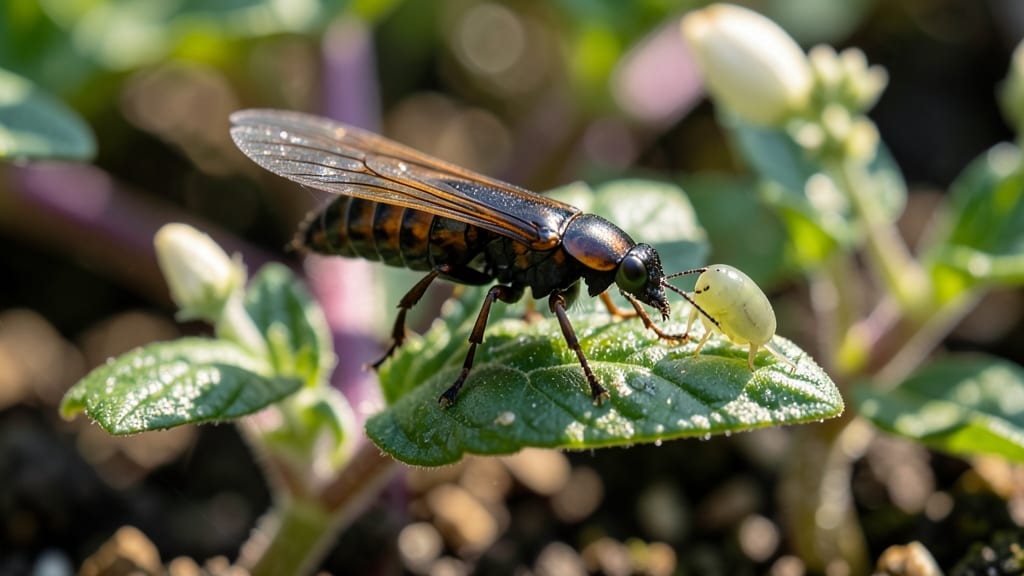
How to get rid of aphids on basil—turn your kitchen herb garden into a sticky mess if you don’t act fast. 🌿 I’ve lost count of how many times I’ve watched my basil plants wilt under aphid attacks—until I discovered neem oil’s secret weapon status. This spray doesn’t just kill aphids; it stops them from coming back within hours, saving your plants and your patience.
The problem starts small: tiny green or black bugs clustered on stems and leaves, sucking out sap and leaving behind a sticky residue called honeydew. Basil’s delicate nature makes it extra vulnerable, but the good news?
Neem oil works fast and won’t harm your plant if used correctly. No harsh chemicals, no waiting weeks for results—just a simple spray that aphids can’t resist.
By the end of this, your basil will be aphid-free, lush, and ready for harvest. The key is timing: spray in the early morning or evening when aphids are most active, and repeat every 5-7 days until they’re completely gone.
Your plants will bounce back faster than you think, and you’ll never dread seeing those little pests again.
Works for any basil variety—whether you’re growing in pots on your windowsill or in garden beds. The same method keeps other soft-stemmed plants like tomatoes and peppers safe too. Let’s get those aphids off your basil for good.
Root Causes of Basil Aphids
Aphids don’t just randomly appear on your basil—they’re drawn to it for a reason. Understanding why these tiny pests target your plants is the first step to preventing and eliminating them. Let’s break down the key factors that make your basil a buffet for aphids.
Aphids thrive in dense, crowded foliage where they can hide, feed, and reproduce undetected.
Basil plants with tightly packed leaves create the perfect microclimate for them: - Poor Air Circulation: Stagnant air traps moisture, making leaves stickier—a favorite landing spot for aphids. - Shaded Leaves: Overcrowding reduces sunlight exposure, weakening the plant’s natural defenses (like volatile oils that repel pests). - Easier Spread: Aphids move quickly between leaves, turning a single infestation into a full-blown colony in days.
Actionable Insight: Prune your basil regularly to open up the plant’s structure, allowing sunlight and air to flow freely. Remove yellow or damaged leaves immediately—they’re aphid magnets.
Healthy basil produces natural deterrents, like essential oils (eugenol and linalool), that repel aphids. But when your plants are stressed, these defenses weaken. Common triggers include: - Underwatering or Overwatering: Both extremes stress basil, making it less resilient.
Aphids detect this vulnerability through plant volatile organic compounds (VOCs)—chemical signals that scream, “Easy meal here!” - Nutrient Deficiencies: Lack of nitrogen (N) or phosphorus (P) weakens leaves, making them softer and more appealing to aphids.
Yellowing leaves (a sign of nitrogen deficiency) are especially inviting. - Recent Transplanting or Shock: Basil that’s been recently moved or handled (even gently) emits stress signals that aphids can sense.
Actionable Insight: Keep your basil consistently moist but not soggy and fertilize with a balanced, organic fertilizer (like fish emulsion) every 3–4 weeks to boost its natural resistance.
Basil isn’t just a random target—aphids are drawn to it for several biological reasons: - Sweet Sap: Aphids have stylets (tiny mouthparts) that pierce plant cells to suck out phloem sap, which is rich in sugars.
Basil’s sap is particularly sweet, making it a high-calorie snack. - Soft, Tender New Growth: Young leaves and stems are aphids’ preferred feeding sites because they’re easier to penetrate and packed with nutrients. - Color and Scent: Some aphid species are attracted to purple-tinged basil varieties (like ‘Purple Ruffles’) because the anthocyanins in the leaves may signal high sugar content.
Even green basil emits volatile compounds that aphids can detect from a distance.
Actionable Insight: Pinch off the tips of new growth regularly to discourage aphids from settling. If you’re growing purple basil, consider interplanting with strongly scented herbs (like rosemary or thyme) to mask the aphid-attracting signals.
Sometimes, aphids aren’t the original problem—they’re a symptom of another issue: - Ants Farming Aphids: Ants protect aphids in exchange for their honeydew (a sugary waste product).
If you see ants trailing on your basil, they’re likely herding aphids to feed on them. - Whiteflies or Spider Mites: These pests weaken basil first, making it easier for aphids to move in.
Their feeding damage creates entry points for aphids and other pathogens. - Overuse of Synthetic Pesticides: Chemicals can kill natural predators (like ladybugs and lacewings) that keep aphid populations in check, leading to aphid explosions.
Actionable Insight: Monitor for ants—use diatomaceous earth around the base of your plants to block their trails. If you’ve used pesticides recently, introduce beneficial insects (like Aphidius colemani, a parasitic wasp) to restore balance.
Aphids are opportunistic and take advantage of conditions that favor their survival: - Warm, Humid Weather: Aphids reproduce faster in temperatures between 60–80°F (15–27°C).
High humidity also slows down natural predators, giving them an edge. - Nearby Infested Plants: Aphids can fly or crawl from nearby weeds, tomatoes, or other herbs.
Even windborne aphids from a neighbor’s garden can land on your basil. - Poor Garden Hygiene: Debris, fallen leaves, or old plant matter provide hiding spots for aphids to overwinter or regroup.
Actionable Insight: Remove weeds and debris from around your basil. If possible, grow basil in containers to isolate it from ground-dwelling pests. A reflective mulch (like aluminum foil) can also deter flying aphids by disorienting them.
Aphids don’t work alone—they have partners in crime in the plant world: - Root Grafting in Basil: If your basil plants are connected underground (common in container gardens where roots merge), aphids can spread rapidly from one plant to another. - Companion Plants That Attract Aphids: Some herbs (like dill or fennel) attract aphids away from basil, but others (like nasturtiums) can draw aphids toward your garden.
Poor planning can turn your herb garden into an aphid buffet.
Actionable Insight: Space basil plants 12–18 inches apart to prevent root grafting. If using companion plants, choose aphid-repelling herbs like marigolds, mint, or lavender instead of aphid magnets.
Aphids on basil aren’t random—they’re the result of plant stress, environmental conditions, and biological cues. By addressing these root causes, you’re not just treating the symptoms (the aphids) but preventing future infestations at the source. The next step? Targeted solutions to evict these pests for good.
Quick Fixes for Basil Aphids
Aphids on your basil aren’t just a nuisance—they can stunt growth, spread diseases, and leave your plants looking sad. But don’t worry! With the right approach, you can banish these tiny pests fast and keep your basil thriving.
Below, we’ve mapped out targeted solutions based on the root causes (from the previous section) so you can act now—without harsh chemicals.
Aphids love weak, crowded basil because it’s easier to feed on. Fix it by giving your plants room to breathe and bounce back.
- 🍳 Trim the Damage Snip off heavily infested leaves (especially the youngest ones) and drop them in soapy water to kill aphids on contact. Use clean, sharp scissors to avoid spreading pests.
- 👨🍳 Thin Your Basil Space plants 12–18 inches apart to improve airflow. If you’re growing in containers, thin seedlings to 2–3 strong stems per pot.
- 🥘 Boost Plant Health Feed your basil with a balanced liquid fertilizer (like fish emulsion or compost tea) to strengthen its defenses. Avoid over-fertilizing—aphids thrive on soft, nutrient-rich growth!
Aphids are drawn to the sticky honeydew basil produces. Break their craving with these plant-safe sprays.
- 🔪 Neem Oil Spray (Fastest Fix!) Mix 1 tsp neem oil + 1 tsp mild dish soap + 1 quart water in a spray bottle. Shake well and spray directly on aphids (especially undersides of leaves) every 3–5 days until gone. Why it works: Neem disrupts their life cycle and tastes awful to them!
- 🌿 Garlic or Chili Pepper Spray Blend 2 garlic cloves + 1 tbsp cayenne pepper + 1 quart water. Strain, add a drop of soap, and spray on plants. Reapply after rain. Bonus: It repels other pests too!
- 💡 Pro Tip: Spray in the early morning or late evening to avoid harming beneficial insects like ladybugs.
If you see tiny white eggs on stems or new growth, act fast before they hatch into more aphids.
- 🌡️ Hot Soapy Water Bath Dip infested stems in a mix of hot (not boiling) water + 1 tsp dish soap for 10–15 seconds. This kills eggs and nymphs instantly.
- 🎯 Introduce Predators Release ladybugs, lacewings, or parasitic wasps (available at garden centers). These natural enemies will devour aphids within days. Best for: Organic gardens with long-term pest control.
Once you’ve kicked them out, stop them from returning with these easy habits:
- ✨ Regular Inspections Check your basil 2–3 times a week, focusing on new growth and undersides of leaves. Early detection = easier removal!
- 🌿 Companion Planting Grow marigolds, nasturtiums, or dill near your basil. These plants repel aphids naturally with their strong scents.
- 💦 Water at the Base Avoid wetting leaves when watering—aphids love damp foliage. Water early in the day so plants dry quickly.
- 🍃 Rotate Crops If you grow basil in the same spot yearly, move it to a new location to break pest cycles.
If aphids keep coming back despite your efforts, try:
- Insecticidal soap (for severe infestations—follow label instructions).
- Horticultural oil (works like neem but with a different active ingredient).
- Aphid traps (yellow sticky cards placed near plants to lure them away).
Remember: Consistency is key! Aphids reproduce fast, so stay vigilant and combine 2–3 methods for the best results. With these fixes, your basil will be aphid-free in days—and ready for your next pesto recipe! 🌿🍃
Frequently asked questions about basil aphids
Can I still use my basil if it has aphids?
Yes, but remove the heavily infested leaves first! Aphids don’t make basil toxic, but their sticky honeydew can attract ants and promote fungal growth. Wash leaves thoroughly before using, and harvest from the healthiest parts of the plant. For severe infestations, treat first, then harvest after 24 hours to ensure no residue remains.
Why does neem oil sometimes fail to work?
Neem oil works best when applied directly on aphids (especially undersides of leaves) and repeated every 3-5 days. Common reasons it fails: not covering all infested areas, using expired oil, or applying during hot sun (which breaks down the active ingredients). Always mix with soap and spray in the evening for maximum effectiveness.
Will aphids kill my basil plant?
Not immediately, but severe infestations can stunt growth and spread diseases like sooty mold. Young plants are most vulnerable. Act fast by removing infested leaves, spraying with neem oil, and introducing ladybugs. Healthy basil can recover quickly if you catch the problem early—aphids rarely kill mature plants unless other stressors (like drought) are present.
How do I know if my aphids are gone for good?
Check for 3 consecutive weeks with no new aphids or sticky residue. Inspect both leaf surfaces and new growth regularly. If you see tiny white eggs or nymphs, you’ll need another treatment. The best sign? Your basil should show new, healthy growth without yellowing or curling leaves.
Can I use vinegar to kill aphids on basil?
Plain white vinegar can help as a contact killer, but it’s not ideal for basil. Mix 1 part vinegar + 3 parts water + 1 tsp soap and spray lightly on aphids (avoid wetting leaves). Vinegar can burn basil leaves if overused. For better results, use neem oil or insecticidal soap instead—they’re gentler on your plants.