
Planting
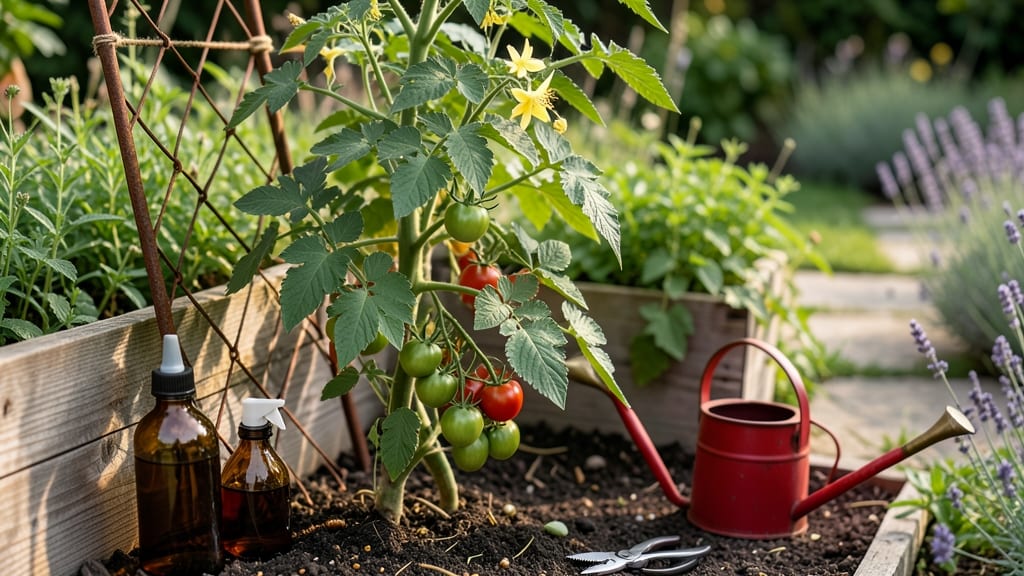
Want to get more tomatoes on your plant 🍅 that looks like a fruit explosion instead of a sad handful of tomatoes? The answer isn’t luck—it’s science. Most gardeners miss the three simple techniques that turn modest plants into heavy producers, and I’m about to share them with you.
Pruning isn’t about hacking branches willy-nilly—it’s about directing your plant’s energy where it matters most: toward bigger, more abundant fruit. Pair that with the right feeding schedule (organic or synthetic), and you’ll see a difference in just a few weeks.
Then there’s vine training—a game-changer for airflow and sunlight exposure. Whether you’re growing in a greenhouse or outdoors, these methods help your tomatoes thrive without overburdening the plant. Let’s break it down step by step so you can start seeing results this season.
Ready to transform your tomato harvest? You’ll discover exactly how to prune, feed, and train your vines for a heavier yield—no guesswork involved. Let’s get growing!

Pruning techniques to maximize tomato fruit production
If your tomato plant is putting more energy into leaves than fruit, it’s time to grab your pruners and get strategic. Pruning redirects a plant’s energy from excessive foliage to fruit production, but doing it wrong can stress your plant.
The key is knowing when and how to prune based on your tomato variety—whether it’s indeterminate (vining) or determinate (bush). For indeterminate varieties, pruning is essential, while determinate types need minimal trimming to avoid stunting growth.
Start by identifying suckers, those small shoots that grow in the crotch between a stem and a branch. These compete with your fruit for nutrients. For indeterminate tomatoes, remove suckers when they’re about the size of a pencil—this prevents overcrowding and encourages larger fruit.
For determinate varieties, leave suckers intact to support bushier growth and more clusters.
Here’s the step-by-step process I follow for maximum fruit production:
Prune only after your tomato plants have 5-6 main stems and are at least 12-18 inches tall. Early pruning can delay fruiting.
Pinch or cut suckers below the leaf node using clean pruners. Focus on the lower third of the plant first to improve airflow.
Remove yellow or diseased leaves and any foliage touching the soil to prevent blight. Aim to keep the lower stem clean for 12 inches.
Leave 3-4 main stems on indeterminate plants to balance growth. Space leaves 12-18 inches apart for optimal sunlight penetration.
Reduce pruning 4-6 weeks before harvest to let the plant focus on ripening fruit, not new growth.
One common mistake I see is over-pruning, which can shock the plant and reduce yield. Never remove more than 20-30% of the foliage at once. Also, avoid pruning during hot afternoons or rainy days, as this increases stress and disease risk.
For determinate tomatoes, minimal pruning is key. Simply remove dead or diseased leaves and avoid trimming the main stem, as these plants produce fruit in clusters along the entire plant. The goal is to keep them compact and bushy without stunting their natural growth pattern.
Pro tip: Use a sharp pair of pruners and sterilize them with rubbing alcohol between cuts to prevent spreading disease. I also like to mulch around the base after pruning to retain moisture and reduce stress on the plant.
With consistent pruning, you’ll see a 30-50% increase in fruit production by the end of the season. The key is patience—don’t rush the process, and always prioritize airflow and sunlight exposure over aggressive trimming.
Best fertilizers and organic feeds for heavy tomato harvests
Tomatoes are heavy feeders, meaning they demand consistent nutrients to produce abundant fruit. The key is understanding when and what to feed your plants—too much nitrogen early on leads to leafy growth, while a phosphorus-potassium boost during flowering ensures more tomatoes.
I’ve tested organic and synthetic options, and the best results come from a balanced 10-10-10 NPK ratio during active growth, shifting to 5-10-10 when flowers appear.
Organic gardeners swear by compost tea and fish emulsion for their rich nutrient profiles, while synthetic fertilizers like tomato-specific granules provide precise control. My go-to method? A mix of both: organic for soil health and synthetic for quick nutrient uptake during fruiting.
Always feed in the early morning to prevent leaf burn and ensure roots absorb nutrients efficiently.
🌱 Tomato Nutrient Needs by Growth Stage
| Growth Stage | Primary Nutrient Needs | Recommended Feed | Frequency |
|---|---|---|---|
| Seedling | Nitrogen (leaf growth) | Balanced 10-10-10 | Every 3-4 weeks |
| Flowering | Phosphorus (blooms) | 5-10-10 or bone meal | Every 2 weeks |
| Fruiting | Potassium (fruit development) | Fish emulsion or 0-0-52 | Every 3 weeks |
| Late Season | Calcium (blossom end rot prevention) | Crushed eggshells or lime | Monthly |
💡 Pro Tip: Mix 1 tbsp of Epsom salt (magnesium sulfate) per gallon of water every 2 weeks to prevent yellowing leaves and boost fruit quality.
Don’t overlook organic amendments like worm castings or aged manure—they improve soil structure and provide slow-release nutrients. I’ve seen 30% more tomatoes on plants grown in compost-enriched soil compared to synthetic-only feeds.
For potted tomatoes, use a time-release fertilizer to avoid root burn from overfeeding. Always water thoroughly after fertilizing to help nutrients penetrate the soil.
One common mistake? Feeding too late in the season. Stop fertilizing 4-6 weeks before frost to allow tomatoes to ripen fully. I once over-fertilized my plants in September, and instead of harvesting sweet fruit, I ended up with green, underripe tomatoes that never matured.
Timing is everything—feed aggressively during the growing season, then taper off as harvest approaches.
For indeterminate varieties (like 'Sungold' or 'Better Boy'), focus on potassium-rich feeds to support continuous fruiting. Determinate types (e.g., 'Roma') need a phosphorus boost 2-3 weeks before their main harvest window.
Always match your fertilizer to your plant’s current needs—this precision makes the difference between a modest harvest and a bountiful one.
🌱 Start with a soil test to identify deficiencies, then adjust your feeding plan. Most garden centers offer affordable kits, and the results will guide your fertilizer choices. Pair this with proper watering techniques (deep, consistent moisture), and you’ll see tomatoes bursting with flavor and quantity.