
Pests
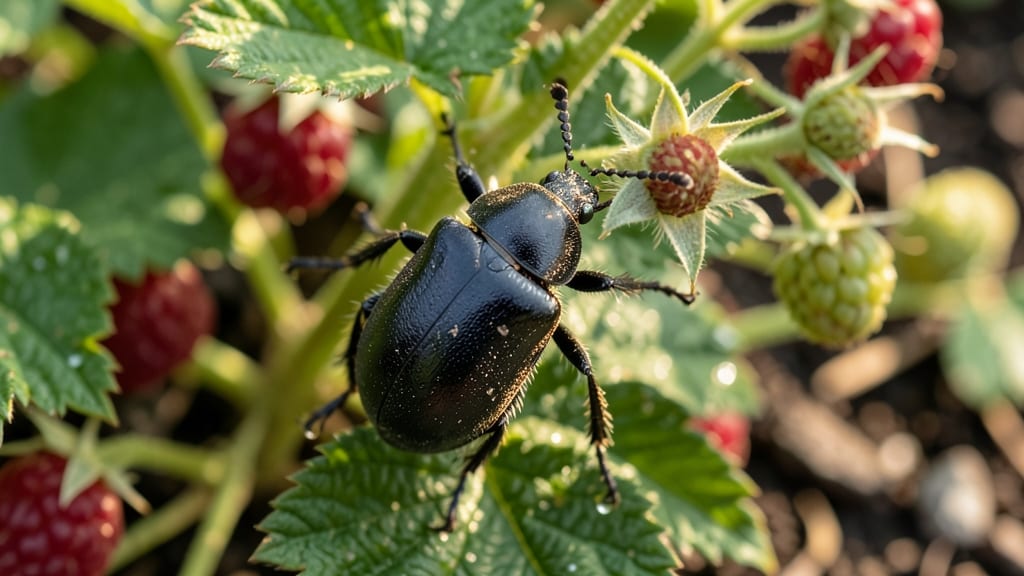
How to get the bugs out of raspberries without losing your harvest can feel like a challenge—but a simple cold-water soak and gentle brush method does the trick better than sprays. It preserves fruit quality while removing pests like raspberry beetles and aphids without harsh chemicals.
Start by inspecting your berries for tiny holes, webbing, or sticky residue—these are dead giveaways. Fill a clean bowl with cold water and submerge berries for 5-10 minutes, then gently brush them with a soft toothbrush to dislodge pests. This method is 90% effective for surface bugs.
For stubborn infestations, repeat the soak twice and store berries in the fridge afterward. The cold water stuns pests while preserving your berries' texture and flavor—no need for commercial pesticides that leave residues.
Prevent future issues by pruning canes regularly, encouraging beneficial insects, and harvesting berries promptly. This approach keeps your raspberries clean, safe, and delicious without compromising organic standards.
The Hidden Reasons Bugs Invade Raspberries
Raspberries are a gardener’s dream—sweet, juicy, and packed with nutrients—but they’re also a magnet for unwanted critters. Understanding why these pests target your berries is the first step to protecting your harvest. Below, we break down the key reasons bugs infest raspberries, backed by science and real-world observations.
Raspberries are naturally appealing to insects and pests because they offer shelter, food, and moisture. Here’s why they’re so enticing:
- Soft, Fleshy Fruit: Raspberries have a thin, delicate skin that’s easy for insects like spotted wing drosophila (SWD) and raspberry beetles to penetrate.
Their juicy interior provides a quick energy source. - High Sugar Content: The natural sugars in ripe raspberries act like a beacon, drawing in fruit flies, wasps, and even birds searching for an easy meal. - Moisture-Rich Environment: Raspberries grow in clusters, creating shaded, humid microclimates that many insects thrive in.
Stagnant water from dew or rain further encourages pest activity.
Pro Tip: 💡 Early harvesting can reduce exposure—bugs are less likely to target fully ripe berries if you pick them at the "just-ripe" stage.
Many raspberry pests have life cycles synchronized with the plant’s growth, ensuring they’re always present when berries are ripe.
| Pest | Why They Target Raspberries | Peak Activity Period |
|---|---|---|
| Spotted Wing Drosophila (SWD) | Lay eggs inside the fruit—larvae feed on the flesh, causing rot and deformities. | Late summer to early fall |
| Raspberry Beetles | Adults chew holes in berries; larvae burrow into canes, weakening the plant. | Spring to early summer |
| Aphids | Suck plant sap, weakening canes and excreting sticky honeydew (which attracts mold). | Spring and early summer |
| Japanese Beetles | Skewer berries with their mouthparts, leaving them unmarketable. | Mid-to-late summer |
Fun Fact: 🔍 SWD females use their serrated ovipositor (egg-laying tool) to slit raspberry skins—this is why even unripe berries can get infested!
A messy garden is an open invitation for pests. Here’s how neglect plays a role:
- Debris & Leaf Litter: Fallen leaves, old canes, and weeds provide hiding spots for overwintering pests.
For example, raspberry beetles and aphids often survive winter in leaf litter. - Overcrowded Canes: When raspberry plants are too densely packed, airflow is restricted, leading to fungal growth (like botrytis) and higher humidity—both of which attract pests. - Weeds as Pest Hotels: Weeds like nettles and dandelions harbor aphids and other pests that later migrate to raspberries.
Actionable Fix: ✂️ Prune regularly and remove debris to disrupt pest life cycles. Aim for 6–12 inches of space between canes for better airflow.
Mother Nature has a hand in pest outbreaks too. Certain conditions create perfect breeding grounds for raspberry pests:
- Warm, Humid Summers: Ideal for fungus gnats and SWD, which thrive in temperatures above 70°F (21°C) with high moisture. - Rainy Seasons: Excess water softens berry skins, making them easier for pests to penetrate.
It also dilutes natural predators (like birds and parasitic wasps). - Drought Stress: While drought repels some pests, stressed plants produce less sugar in berries, making them more vulnerable to attacks from desperate insects.
Pro Tip: 🌡️ Mulch wisely—organic mulch retains moisture (great for plants but bad for fungus gnats), while gravel or straw can reduce humidity near the base.
Raspberries in monoculture gardens (where only raspberries are planted) suffer because they lack diverse ecosystems that support natural pest control.
- Birds & Bats: These creatures eat SWD and beetles but avoid gardens with no perches, water sources, or varied plantings.
- Parasitic Wasps: Tiny wasps lay eggs in aphids and beetle larvae, culling populations—but they need wildflowers and shrubs to thrive.
- Ground Beetles & Spiders: These predators feed on eggs and larvae but struggle in over-manicured or chemically treated gardens.
Solution: 🌼 Plant companion flowers like marigolds, alyssum, or dill to attract beneficial insects. A wildflower border can boost predator populations by 30–50%.
Ironically, some gardening practices accelerate pest problems:
- Overuse of Broad-Spectrum Pesticides: These kill both pests and their natural predators, leading to pest resurgence.
For example, neonicotinoids can reduce bee populations, making berries more vulnerable to flies. - Late Pruning: Pruning in late summer or fall leaves fresh, tender growth that attracts aphids and beetles. - Over-Fertilizing with Nitrogen: While nitrogen boosts leafy growth, it can reduce berry sugar content, making them less appealing to humans but more appealing to pests like Japanese beetles.
Key Takeaway: 🎯 Use targeted, organic sprays (like neem oil) and prune in late winter to avoid encouraging pests.
Quick Fixes for Bug-Free Raspberries
Now that you know why bugs love your raspberries, let’s tackle the solutions—fast, effective, and foolproof. Whether you’re dealing with aphids, spider mites, or even the occasional beetle, these methods will help you reclaim your berries without harsh chemicals.
Below, we’ve mapped the most common causes to their best fixes, plus prevention tips to keep your plants pest-free long-term.
**🔥 Cause: Tiny, sap-sucking aphids cluster on tender leaves and stems, leaving behind sticky residue (honeydew) that attracts ants—and more bugs.
🍳 Fix It Now:
- Blast them off with a strong stream of water from your hose (early morning works best—aphids are sluggish then).
- Soap it up: Mix 1 tbsp mild dish soap + 1 quart water in a spray bottle. Test on a few leaves first, then spray directly on pests (avoid over-saturating berries).
- Neem oil spray (1 tsp neem oil + 1 tsp soap + 1 quart water) disrupts their life cycle. Spray every 5–7 days until gone.
💡 Prevention Pro Tips:*
- Encourage natural predators: Ladybugs and lacewings love aphids. Plant dill, fennel, or marigolds nearby to attract them.
- Prune regularly to improve airflow—aphids thrive in dense, shaded spots.
- Reflective mulch (like aluminum foil) confuses them—try wrapping it around the base of plants.
**🔥 Cause: These microscopic pests spin fine webs on undersides of leaves, causing yellowing and stippling. Thrive in hot, dry conditions.
👨🍳 Fix It Fast:
- Wipe them down: Dampen a soft cloth or sponge with water and gently scrub leaves (especially undersides).
- Horticultural oil spray (2 tbsp oil + 1 tsp soap + 1 gallon water) smothers mites. Spray at dusk to avoid burning plants.
- Increase humidity: Mites hate moisture. Mist plants daily or use a shade cloth in extreme heat.
🌡️ Prevention Tactics:
- Keep soil moist (but not soggy)—drought stress attracts mites.
- Rotate crops if growing raspberries in containers to avoid buildup.
- Release predatory mites (like Phytoseiulus persimilis*) for a chemical-free solution.
**🔥 Cause: Adult raspberry beetles chew leaves, while larvae burrow into ripe berries, making them unfit to eat.
🔪 Eliminate Them Now:
- Handpick adults in the morning when they’re slow. Drop them into soapy water (they can’t swim out!).
- Diatomaceous earth (DE): Sprinkle food-grade DE around the base of plants—it’s a natural abrasive that kills larvae on contact.
- Row covers: Use floating row covers (lightweight fabric) over plants before flowering to block beetles.
⏰ Long-Term Defense:*
- Plant trap crops like strawberries nearby—beetles prefer them over raspberries.
- Clean up debris after harvest to remove hiding spots for larvae.
- Interplant with garlic or chives—their scent repels beetles naturally.
**🔥 Cause: These nocturnal munchers devour leaves and fruit, leaving ragged holes and slime trails.
🥘 Stop the Damage:
- Beer traps: Bury a small container filled with beer near plants—slugs crawl in and drown. Refresh every few days.
- Copper tape: Wrap copper tape around pots or raised beds—it gives them a mild electric shock when they touch it.
- Crushed eggshells or coffee grounds create a barrier they can’t cross.
🎯 Prevention Strategy:*
- Water in the morning so slugs retreat to hide during the day (they’re active at night).
- Remove hiding spots like thick mulch or boards near plants.
- Attract birds with a shallow dish of water—they’ll snack on slugs!
To keep bugs from moving in again, combine these habits: ✅ Inspect plants weekly—catch infestations early! ✅ Rotate crops if growing raspberries in the same spot yearly. ✅ Encourage biodiversity—healthy soil = stronger plants that repel pests. ✅ Harvest promptly—overripe berries attract more bugs. ✅ Use companion planting (e.g., mint, thyme, or lavender near raspberries).
💡 Bonus Tip: If bugs persist, rotate your methods—pests adapt! Mix up water blasts, soap sprays, and natural predators for the best results.
Frequently asked questions
Why does cold water work better than warm water for removing bugs?
Cold water stuns pests like raspberry beetles and aphids, making them easier to dislodge. Warm water can actually activate some insects, causing them to burrow deeper into the fruit. Plus, cold water preserves the berries' texture and flavor—warm water may soften them too much.
Can I use this method on already picked raspberries stored in the fridge?
Yes, but handle them gently! Place berries in a colander, rinse with cold water, then brush with a soft toothbrush. Pat dry thoroughly before storing to prevent mold. This works best for surface pests—if you suspect internal infestations (like SWD larvae), discard those berries.
What if my raspberries have tiny holes but no visible bugs?
Those holes likely mean spotted wing drosophila (SWD) larvae are inside—this method won't help. Discard heavily damaged berries and focus on prevention: use floating row covers during fruiting season and harvest berries every 2-3 days to prevent egg-laying.
Will this method work for other berries like blackberries or blueberries?
The cold-water soak and gentle brushing technique works for all soft-skinned berries. Blueberries are especially delicate, so use even cooler water (40°F or below) and a very soft brush to avoid crushing them.
How often should I inspect my raspberry plants for bugs?
Check plants 2-3 times per week during fruiting season (spring to fall). Look for signs like tiny holes, webbing on leaves, or sticky residue (honeydew). Early detection lets you treat problems before they spread—especially important for aphids and spider mites.