
Pests
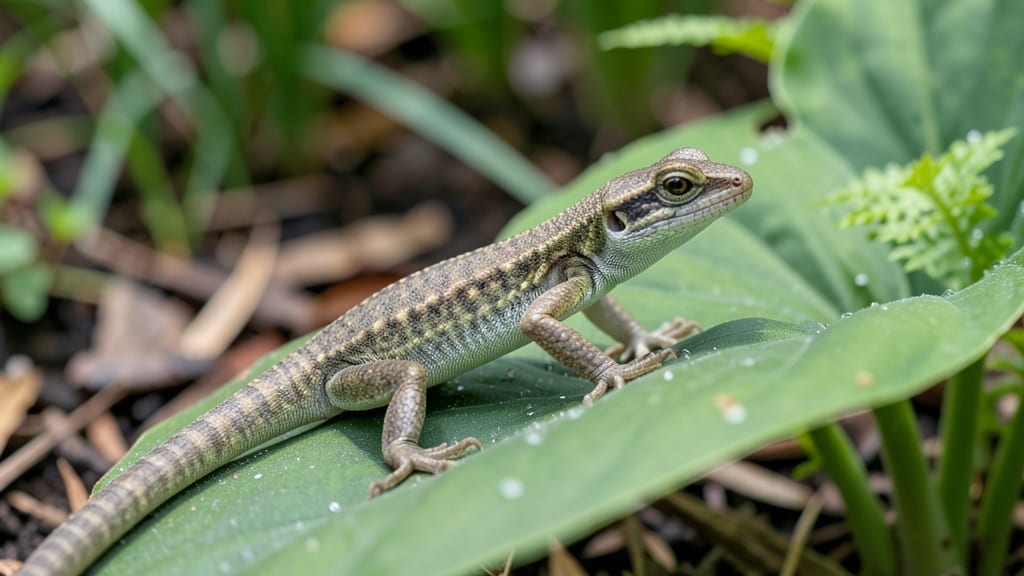
How to get rid of lizards in your garden—they’re not just a nuisance, they’re speedy, sneaky, and multiply fast. 🦎 I’ve battled them for years, and I’ll share the fastest humane methods that actually work, without harming your green space or the critters themselves. The problem? Lizards love warm, sheltered spots with easy access to bugs. They squeeze into cracks, hide under mulch, and thrive where you least expect them. But with a few strategic tweaks—like sealing entry points and removing their favorite hiding spots—you can dramatically reduce their numbers in under a week. You’ll learn how to use simple, non-toxic traps that lure them out safely, plus permanent fixes like habitat adjustments that keep them from coming back. No chemicals, no cruelty—just practical solutions that respect both your garden and the local ecosystem. Best part? These methods work for any garden size, from tiny urban plots to sprawling backyard spaces. Let’s reclaim your garden without the guilt!
The Hidden Lure of Garden
Lizards might seem like harmless little creatures, but when they start taking over your garden, they’re not just random visitors—they’re following a trail of science-backed incentives.
Understanding why they’re drawn to your outdoor space is the first step to reclaiming it. Here’s why your garden is suddenly their favorite hangout spot.
Lizards are opportunistic feeders, and if your garden resembles an all-you-can-eat restaurant, they’ll stick around. Their diet includes:
- Insects: Aphids, ants, beetles, and even spiders are on the menu. If your plants are already hosting these pests, lizards see them as a free snack.
- Fruits and veggies: Overripe or fallen produce (think tomatoes, berries, or citrus) is a magnet. Lizards have a sweet tooth and won’t resist easy carbs.
- Pet food: If you feed birds or small animals outside, leftover kibble or seeds become a lizard buffet.
🔍 Pro Tip: Walk your garden at dusk or dawn (when lizards are most active) with a flashlight. If you spot insects swarming or fruit rotting, that’s your clue—lizards are already calculating how to crash the party.
Lizards are ectothermic, meaning they rely on external heat to regulate their body temperature. Your garden might be offering them the perfect microclimate:
- Sunlit spots: Rocks, brick walls, or wooden fences absorb heat during the day and radiate warmth at night—ideal for lizards to bask or sleep.
- Dense foliage: Bushes, ivy, or tall grass provide hiding spots from predators (like birds or cats) and easy access to prey.
- Moisture: Potted plants with damp soil or standing water (like birdbaths) attract insects, which in turn attract lizards.
💡 Science Note: Lizards prefer temperatures between 75–95°F (24–35°C). If your garden hits this range regularly, it’s a lizard paradise. Shady, cool areas? Not so much.
You might think lizards don’t need water, but they do—indirectly. Standing water (even a few inches) creates breeding grounds for mosquitoes, which lizards eat. But here’s the catch:
- Dripping hoses or leaks: A slow leak under a pot or a dripping faucet creates a mini ecosystem. Lizards will patrol these spots for insects.
- Birdbaths or puddles: While lizards don’t drink from them, the insects that do become their prey.
- Humidity-loving plants: Ferns, moss, or succulents retain moisture, attracting bugs that lizards love to hunt.
⚠️ Warning: If your garden has any source of standing water—even a clogged gutter—it’s a lizard’s invitation to set up camp.
Lizards are seasonal visitors, and their presence often spikes during:
- Spring: Warmer temps mean more insects hatching, and lizards emerge to feast.
- Summer: Peak activity! They’re out hunting during cooler morning/evening hours.
- Fall: As insects retreat, lizards may seek shelter in your garden before winter.
📊 Data Point: Studies show lizard populations explode in gardens with minimal seasonal changes—like those with year-round irrigation or heated patios. If your garden stays warm and wet, lizards will treat it like a resort.
Now that you know why your garden is lizard central, the next step is to disrupt their five-star experience. Stay tuned for humane (and fast) ways to send them packing—without harming the ecosystem!
Effective Ways to Outsmart Garden Lizards
Lizards may seem harmless, but their presence can disrupt your garden’s balance—eating plants, spreading bacteria, or even scaring off pollinators. The good news? You don’t need harsh chemicals to evict them.
Below are targeted, humane solutions tailored to the root causes of your lizard problem, plus prevention tips to keep them from returning.
---
Lizards are drawn to gardens for three main reasons: food, shelter, and water. Address these, and you’ll make your space less inviting.
#### 🍳 Fix: Remove Their Food Sources Lizards feast on insects, fruits, and even small plants. If your garden is a buffet, they’ll stick around. - 🔪 Trim overgrown plants – Dense foliage hides pests (like aphids or spiders) that lizards hunt.
Keep shrubs and vines pruned to reduce hiding spots and food. - 🍎 Pick ripe fruit promptly – Dropped apples, tomatoes, or berries attract insects, which in turn attract lizards.
Collect fallen produce daily. - 🦟 Use natural pest control – Instead of pesticides, introduce ladybugs, nematodes, or birdhouses to keep insect populations in check. Fewer bugs = fewer lizards.
> 💡 Pro Tip: If you spot lizards near your veggie patch, try neem oil spray on plants—it deters pests and masks scents that lure lizards.
---
Lizards seek cool, shady spots to rest. If your garden offers too many, they’ll treat it like a hotel.
#### 👨🍳 Fix: Seal Entry Points - 🪟 Fill gaps in fences/walls – Use copper mesh, steel wool, or caulk to block tiny crevices where lizards squeeze in. - 🌿 Rake mulch away from structures – Piles of leaves or wood chips near your home or shed create perfect hiding spots.
Keep mulch at least 6 inches away from foundations. - 🪟 Install fine mesh screens – If lizards are getting into greenhouses or sheds, cover vents and gaps with 1/4-inch hardware cloth.
> ✨ Prevention Hack: Place decoy predators (like plastic owls or snakes) near problem areas—lizards avoid open spaces where they feel exposed.
---
Lizards need water to survive, and damp gardens are a magnet for them.
#### 🌡️ Fix: Reduce Standing Water - 🚰 Fix leaky hoses or irrigation – Overwatering creates muddy spots where lizards dig. Ensure soil drains well. - 🪴 Elevate pots and containers – Lizards hide under flat surfaces where water collects.
Use pot feet or saucers with drainage holes. - ☀️ Increase sunlight exposure – Lizards prefer shady, humid areas. Trim tall plants blocking sunlight to dry out their favorite spots.
> 🎯 Long-Term Tip: Plant drought-resistant succulents or lavender—these thrive in dry conditions and repel lizards naturally.
---
If lizards are here to eat bugs (and you want them gone), humane traps are your best bet.
#### 🕸️ Fix: Live Traps for Relocation - 🐍 Choose a humane box trap (like the Victor M-300) – Bait it with dog food, mealworms, or crickets.
Check traps twice daily and release lizards far from your home (at least 1–2 miles away). - 🌿 Avoid sticky traps – These can harm lizards or other wildlife. Opt for escape-proof containers instead. - 🌅 Release at dawn or dusk – Lizards are most active then, making relocation easier.
> 🔥 Safety First: Wear gloves when handling lizards—they may bite if stressed!
---
Once you’ve removed their incentives, reinforce boundaries to keep them out.
- 🌿 Plant lizard-repelling herbs – Mint, lemongrass, or citronella emit scents lizards dislike.
Line garden edges with these. - 🪟 Install motion-activated sprinklers – Devices like the ScareCrow spray water when lizards approach, startling them away. - 🕯️ Use essential oil sprays – Mix 10 drops of peppermint or tea tree oil with water in a spray bottle.
Lightly mist fence posts and entry points (reapply after rain).
> 💡 Bonus: Diatomaceous earth (food-grade) can be sprinkled near entry points—it dehydrates insects, reducing lizard food sources.
--- Final Thought:** Lizards aren’t bad pests—they’re just opportunists. By removing their resources and making your garden less hospitable, you’ll send them packing without harm. Try one or two fixes this week, and watch your lizard population shrink naturally!
Frequently asked questions
Are lizards actually harmful to my garden?
Most lizards are beneficial—they eat pests like aphids, spiders, and beetles! However, if their population explodes, they can damage young plants by nibbling leaves or spread bacteria from their droppings. The key is balance: a few lizards help your garden, but an infestation becomes a problem.
Will essential oils really keep lizards away?
Yes, but with limitations! Peppermint, tea tree, or citronella oils disrupt their scent trails and create an unpleasant environment. Spray diluted oils on fence posts and entry points—but reapply after rain, as oils wash away quickly. For best results, combine with other methods like sealing gaps.
How long does it take to see results with humane traps?
With consistent trapping (check traps twice daily), you may see a noticeable reduction in 3-7 days. For severe infestations, combine traps with habitat changes (like removing food sources) to accelerate results. Release lizards far from home—at least 1-2 miles away—to prevent them from returning.
Can I use vinegar or bleach to deter lizards?
No—these are ineffective and harmful to plants! Vinegar won’t repel lizards, and bleach can damage soil and harm beneficial insects. Stick to natural methods like sealing entry points, removing standing water, and using essential oils. For stubborn cases, opt for humane traps instead.
What’s the best time of day to release trapped lizards?
Release them at dawn or dusk when temperatures are cooler and lizards are most active. Avoid midday heat—they’ll struggle to find shelter and may die. Choose a location far from water sources and dense vegetation to give them a fair chance of survival in their new habitat.