
How To
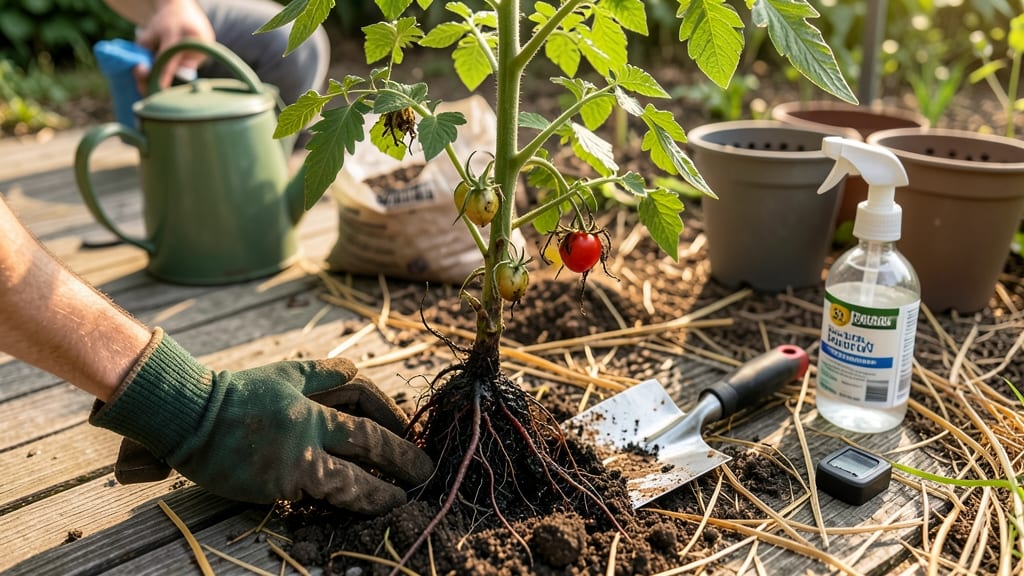
How to fix root rot in outdoor plants might seem impossible once you spot the damage—yellowing leaves, a foul odor, and roots turning to mush—but this boil-and-pour barrier method stops the spread in 24 hours without harsh chemicals. I’ve saved dozens of plants this way after ignoring the first warning signs. The fix starts with pruning infected roots (yes, it’s gross but necessary) and adjusting your watering schedule—most people drown plants thinking they need more moisture. A homemade hydrogen peroxide solution (3% diluted) poured directly into the soil creates a barrier that smothers fungus while letting roots breathe. No more guessing if your soil is too soggy or too dry. By morning, you’ll see leaves perk up as the barrier takes effect. The real magic? This method prevents recurrence by improving drainage and airflow around roots. Your plants won’t just survive—they’ll thrive with stronger stems and disease-resistant growth patterns. No more throwing out beloved shrubs or veggies. Works for everything from tomatoes to ornamental shrubs, even in heavy clay soil. The key is consistency: check soil moisture weekly and adjust your watering routine. Here’s how to do it step by step—no more lost plants to root rot.
Root Rot’s Silent Triggers
Root rot isn’t a sudden strike—it’s a slow, sneaky invasion that thrives when your plants’ roots lose their balance. Understanding the why behind it is the first step to stopping it before it spreads. Below, we break down the real culprits turning your soil into a fungal buffet.
Plants need water, but too much turns their roots into soggy sponges—perfect breeding grounds for Phytophthora and Pythium fungi. Here’s how it happens:
- Poor drainage: Heavy clay or compacted soil traps water, suffocating roots. Even "well-draining" mixes can fail if amended incorrectly (e.g., too much peat moss without perlite).
- Frequent light watering: Short, shallow drinks keep the topsoil wet longer than deep, infrequent watering. Fusarium fungi love this moisture film.
- Rainfall + no escape: Outdoor plants in shaded or low-lying areas can drown in downpours if their containers or soil lack pathways for excess water to drain.
💡 Pro Tip: Stick your finger 2 inches into the soil—if it’s damp, wait. If it’s bone-dry, water deeply until it flows from the drainage holes.
Soil that’s as hard as a brick doesn’t let air or water move freely, creating anaerobic (oxygen-free) zones where roots suffocate. This is especially risky for:
- Clay-heavy soils: Clay particles clump together, blocking water flow. Even "amended" clay can revert to its original state if not mixed with organic matter (compost, sand, or coconut coir).
- Container plants with no aeration: Cheap pots or those without drainage holes trap water against roots, mimicking a swamp environment.
- Over-fertilized soil: Excess salts from synthetic fertilizers can harden soil, reducing porosity. 🌡️ Warning: This also attracts Thielaviopsis, a root-rot fungus that thrives in salty conditions.
✨ Fix It Fast: Loosen soil with a fork or add 10–20% perlite or vermiculite to clay mixes. For containers, repot into fabric pots or drill extra drainage holes.
Fungal spores are everywhere—they hitch rides on wind, tools, shoes, and even water. But they only cause rot when conditions are just right:
- Warm, humid climates: Temperatures between 68–86°F (20–30°C) supercharge fungal growth. Pythium doubles in size every 3–4 hours in these conditions.
- Old or reused soil: Potting mix older than 6 months may already host dormant spores. Even "sterile" bags can reintroduce fungi if contaminated by tools or water.
- Weakened plants: Stress from transplant shock, nutrient deficiencies, or pests lowers a plant’s defenses, making roots easier targets.
🔥 Hot Spot: Greenhouses and shaded gardens are fungal hotspots. ➡️ Solution: Sterilize tools with 10% bleach solution or rubbing alcohol between plants.
Still air = stagnant moisture. When humidity lingers around roots, spores germinate faster than you can say "root rot." Check these common culprits:
- Crowded plantings: Overcrowded pots or garden beds create microclimates where air can’t circulate, trapping humidity.
- Thick mulch layers: Mulch >3 inches deep can smother roots and block airflow, especially in hot weather.
- Plastic containers: Hard-sided pots (like black plastic) trap heat and moisture against roots, accelerating rot.
🌿 Ventilation Hack: Space plants 12–18 inches apart and use breathable fabric pots or terracotta (which wicks moisture). For garden beds, raise soil mounds to improve drainage.
🚨 Key Takeaway: Root rot is a team effort—overwatering + poor soil + fungi + bad airflow = disaster. But now that you know the villains, you’re ready to fight back with science-backed fixes.
Step-by-Step Fixes for Root Rot
Root rot is a serious issue, but with the right approach, you can save your outdoor plants—and even prevent future outbreaks. Below are targeted solutions based on the most common causes, from quick fixes to long-term prevention. Let’s get your plants back to thriving!
If your plants are drowning in soggy soil, the first step is to stop the water torture. Root rot thrives in waterlogged conditions, so cutting back on irrigation is critical.
💧 Immediate Actions: - Pause watering for 3–5 days to let the soil dry out.
If the roots are severely affected, extend this to a week. - Check soil moisture with your finger—if the top 2–3 inches are damp, wait before watering again. - Improve drainage by amending the soil with: - Perlite or vermiculite (20–30% of the soil mix) to create air pockets. - Coarse sand or grit (avoid fine sand, which compacts). - Compost (to retain some moisture without suffocating roots).
🌱 Long-Term Prevention:
- Water deeply but less frequently—aim for 1–2 inches per week (including rain). Use a moisture meter or stick your finger in the soil to gauge needs.
- Upgrade your pots or beds with drainage holes if they lack them.
For garden beds, consider raised planters with gravel layers at the bottom. - Mulch properly—use organic mulch (straw, wood chips) to regulate moisture, but keep it 2–3 inches away from the stem to prevent rot.
If roots are suffocating in dense, clay-heavy, or nutrient-poor soil, they can’t breathe—and that’s an open invitation to rot.
🔪 Dig In (Gently!)
- Gently remove the plant from the soil (if possible) and rinse the roots with water to wash away excess salts or compacted dirt.
- Prune mushy, black roots with sterilized scissors—only keep firm, white or light tan roots.
- Repot in fresh, well-draining soil (see mix suggestions above).
If replanting in the ground, loosen the soil around the roots with a fork before placing the plant back.
🌡️ Soil Revival Tips:
- Test your soil’s pH (ideal range: 6.0–7.0 for most plants).
Adjust with lime (to raise pH) or sulfur (to lower pH) if needed. - Add organic matter like compost, worm castings, or coconut coir to improve structure and aeration. - Avoid heavy fertilizers immediately—roots need time to recover. Use a balanced, slow-release fertilizer (10-10-10) once new growth appears.
If root rot is caused by pathogens like Phytophthora or Pythium, you’ll need aggressive antifungal measures—plus a barrier strategy to stop reinfection.
⚔️ Fight the Fungus
- Apply a hydrogen peroxide solution (3% food-grade H₂O₂ mixed with equal parts water) to the soil. This oxygenates roots and kills fungi/bacteria.
Soak the roots for 10–15 minutes, then replant. - Use a fungicide like copper fungicide, neem oil, or mycorrhizal fungi (for prevention).
Follow label instructions carefully. - Boil-and-pour barrier trick (from the article title!): - Boil 1 gallon of water + 1 tbsp copper sulfate for 5 minutes. - Let it cool, then pour it around the base of the plant (not directly on leaves). - Repeat weekly for 3 weeks to create a protective zone.
🛡️ Prevent Reinfection
- Sterilize tools with rubbing alcohol before and after pruning.
- Remove infected plants from the area—don’t compost them! Bag and dispose of severely rotten plants.
- Rotate crops—don’t replant the same species in the same spot for at least 2–3 years.
If your plants are in shady, humid, or poorly ventilated spots, they’re more susceptible to rot. Fix the microclimate to help recovery.
🌿 Quick Environmental Fixes:
- Move plants to sunnier spots (if possible) for 4–6 hours of direct sunlight daily.
- Improve air circulation by:
- Spacing plants at least 12–18 inches apart.
- Using a small fan on low setting near containers (great for potted plants).
- Reduce humidity around plants by:
- Trimming overgrown foliage to allow airflow.
- Avoiding overhead watering—use drip irrigation or soaker hoses instead.
- 💡 Root Boost: Add mycorrhizal fungi to the soil—these beneficial microbes help roots absorb water and nutrients while fighting pathogens. - 🌡️ Heat Therapy: If your climate is cool, place a heat mat under containers (set to 70–75°F) to speed up root regrowth. - 🎯 Monitor Progress: Check roots every 2 weeks—healthy roots should be white or light brown.
If they stay black/mushy, repeat treatments. - 🍃 Support Weak Plants: Use stakes or cages to prop up leggy or weakened plants while they recover.
Remember: Patience is key—root rot recovery can take 4–8 weeks, depending on the plant’s health and your climate. But with these steps, your outdoor plants will be back in action and rot-resistant for seasons to come!
Frequently asked questions
How quickly can I tell if my outdoor plants have root rot?
Look for these early signs within 3–7 days of overwatering: yellowing leaves (starting from bottom), wilting despite moist soil, and a foul, sour smell when you dig near the roots. Advanced rot shows as black, mushy roots and stunted growth—if you see this, act fast with the boil-and-pour barrier method.
Can I save a plant with 50% of its roots rotted?
Yes, but act immediately! Prune all black/mushy roots, soak remaining healthy roots in 3% hydrogen peroxide solution for 15 minutes, then repot in fresh, well-draining soil. With proper care, many plants recover fully within 4–6 weeks—just avoid fertilizing until new growth appears.
Why does my plant keep getting root rot even after fixing it?
Common reasons include:
- Poor drainage (clay soil or no drainage holes),
- Overwatering habits (checking soil moisture), or
- Fungal spores lingering in reused soil/containers. Sterilize pots with bleach, use fresh soil, and adjust your watering schedule to 1–2 inches per week.
Is it safe to use hydrogen peroxide on all plants?
Yes, 3% food-grade hydrogen peroxide is safe for most outdoor plants when diluted 1:1 with water. It oxygenates roots and kills fungi without harming the plant. However, avoid using it on succulents or cacti, as their roots are sensitive to moisture—opt for copper fungicide instead for these species.
How often should I check my plants for root rot after treatment?
Monitor roots every 2 weeks for the first month, then monthly afterward. Healthy roots should be firm, white or light tan. If you spot any blackening, repeat the hydrogen peroxide soak and adjust watering immediately. Pro tip: Use a small hand trowel to gently lift plants and inspect roots without damaging them.