
How To
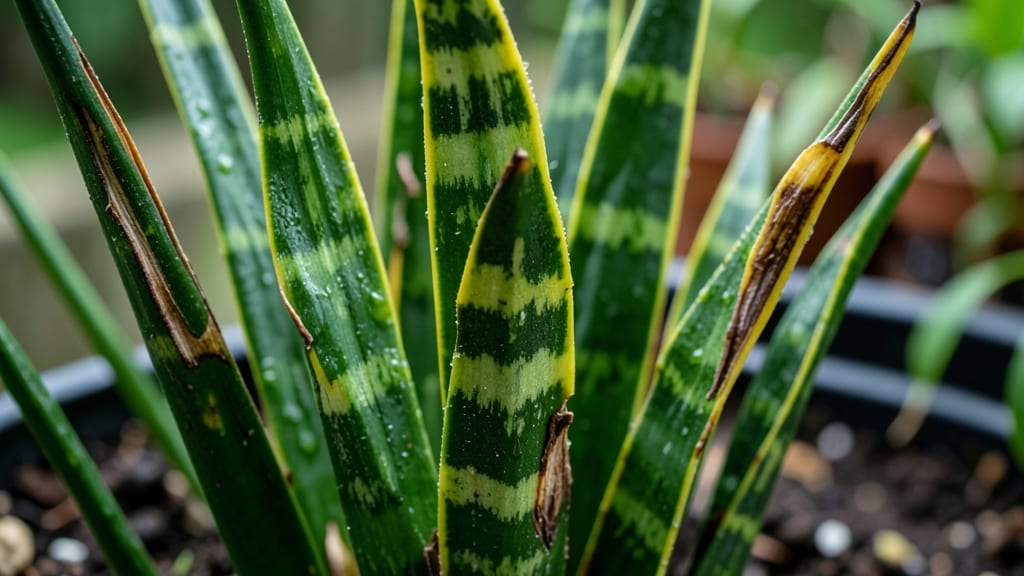
How to fix an overwatered snake plant doesn’t mean it’s too late. 🌱 We've nursed more overwatered snake plants back to health than we'd like to admit—and the key is acting fast while avoiding common mistakes that make things worse.
The first step is stopping water immediately and checking the roots. Healthy roots should be firm and white, while overwatered roots turn mushy and brown. If you see that, don't panic—snake plants are tough survivors when given the right care.
We've seen them bounce back from even severe rot with proper treatment.
Once you've trimmed away the damaged roots and repotted in fresh, well-draining soil, you'll notice new growth within 4-6 weeks. The plant will start pushing out fresh leaves while the old ones gradually yellow and fall away naturally—this is normal and part of the recovery process.
Long-term, focus on watering only when the top 2-3 inches of soil are completely dry. A pot with drainage holes and soil mixed with perlite or pumice makes all the difference.
Between you and me, this plant's resilience is why it's one of the easiest to revive—once you know what to do.
📚 In This Guide
- What you need
- Instructions
- Tips and common mistakes
- Wrapping up and next steps
What you need
- ● Well-draining potting mix: 1–2 bags (2–3 quarts each) of a cactus/succulent mix or a blend with perlite, pumice, and coarse sand (avoid peat-heavy soil!).
- ● Pot with drainage holes: 1–2 containers (size depends on your plant’s root ball; aim for 1–2 inches larger in diameter than the current pot).
- ● Gloves: 1 pair (gardening or disposable) to protect your hands from root rot bacteria.
- ● Pruning shears or clean knife: 1 pair (sterilized with rubbing alcohol to prevent infection).
- ○ Rooting hormone (optional but helpful): 1 small tube or powder to encourage healthy regrowth.
- ● Spray bottle: 1 (for gentle misting if humidity is low).
- ● Paper towels or newspaper: A few sheets to absorb excess moisture during the process.
- ○ Moisture meter (optional): 1 to check soil moisture levels accurately.
- ● Fungicide (like copper fungicide or neem oil): 1 bottle (if you spot mold or foul smells).
- ● New pot saucer or tray: 1 (to catch runoff and prevent waterlogging).
- ● Patience (most important!): Your snake plant’s revival might take weeks—stay consistent!
Step-by-Step instructions for reviving an overwatered snake plant
Snake plants are famously forgiving, but even they need a rescue plan when soggy soil sets in.
🌱 Step 1: Stop Watering and Assess the Damage
First, halt all watering immediately. Snake plants can handle drought but won’t recover from constant wetness. Check the soil by pushing your finger 2-3 inches deep—if it feels damp, wait another 2-3 days before proceeding. Yellowing leaves at the base are the first sign of root rot, while crispy brown edges mean the plant is struggling with overwatering.
Gently remove the plant from its pot to inspect the roots. Healthy roots are firm and white, while mushy, black, or foul-smelling roots need trimming. Use sterilized scissors to snip away damaged sections, cutting back to clean, firm tissue. This step might feel drastic, but it’s the only way to prevent further rot from spreading.
🪴 Step 2: Repot in Fresh, Well-Draining Soil
Choose a pot with drainage holes—terracotta works best because it breathes and helps wick away excess moisture. If your current pot lacks holes, drill a few or switch to a new container. Fill the bottom 1-2 inches with perlite or pumice to improve drainage and prevent future waterlogging.
Use a fast-draining cactus or snake plant mix—avoid regular potting soil, which retains too much moisture. Fill the pot halfway, then place the trimmed plant in, ensuring the base sits 1 inch below the rim. Add more soil around the roots, pressing lightly to secure the plant without compacting the mix. This ensures roots have room to breathe and dry out between waterings.
☀️ Step 3: Adjust Light and Watering Routine
Move your snake plant to bright, indirect light for at least 4-6 weeks. Direct sunlight can stress already weakened roots, while low light slows recovery. You’ll notice new growth emerging from the center as the plant stabilizes—this is your signal that the revival is working.
Water only when the top 3-4 inches of soil are completely dry. Stick your finger in the soil; if it feels dry to the touch, give the plant a deep but slow watering until water drains freely from the bottom. Empty the saucer afterward to prevent soggy conditions. Over the next 2-3 months, you’ll see the plant bounce back with fresh, upright leaves.
✂️ Step 4: Monitor and Prune as Needed
Keep an eye on the lower leaves—if they remain yellow or mushy, they’re beyond saving and should be trimmed at the base with sterilized scissors. This redirects the plant’s energy to new growth rather than decaying foliage. Avoid fertilizing during this recovery phase; the plant needs to focus on rebuilding roots, not foliage.
After 8-12 weeks, if the plant shows signs of steady growth (new leaves, firm stems), you can gradually reintroduce a balanced liquid fertilizer diluted to half strength. This step signals the plant is back on track. Real talk: some leaves might not recover, but the plant will regenerate from the base—patience is key here.
Tips & tricks for reviving your overwatered snake plant
Here's what nobody tells you about bringing a soggy snake plant back from the brink—these tricks make all the difference.
Root Inspection: When you're trimming those mushy roots in Step 1, don't be afraid to cut back aggressively. I've seen plants with only 10% healthy roots still bounce back completely when given fresh soil and proper care. The key is removing ALL the black, slimy sections—no half-measures here. Sterilize your scissors with rubbing alcohol between cuts to prevent spreading any potential pathogens.
Soil Selection: In Step 2, that fast-draining cactus mix isn't just about drainage—it's about aeration too. I like to mix in an extra 20% perlite to create air pockets that prevent future waterlogging. Pro tip: Avoid "moisture control" mixes—they're designed to hold water, which is exactly what you're trying to avoid. Look for labels that say "fast-draining" or "succulent mix."
Light Transition: Moving your plant to bright, indirect light in Step 3 might seem counterintuitive after months of indoor conditions, but trust me on this. Start with morning sun exposure and gradually increase to 4-6 hours daily over the first 2 weeks. You'll notice the new growth emerging from the center—this is your plant's way of telling you it's finally getting the right conditions.
Watering Test: After repotting, perform this simple test before watering: press your finger 3-4 inches deep into the soil. If it feels completely dry, water thoroughly until it drains from the bottom. If it's still damp, wait another 2-3 days. This finger test is more reliable than any moisture meter for snake plants—they thrive on the dry side once recovered.
Pro Tips for Fix Overwatered Snake Plant
- Here's what nobody tells you about bringing a soggy snake plant back from the brink—these tricks make all the difference.
- Root Inspection: When you're trimming those mushy roots in Step 1, don't be afraid to cut back aggressively.
- Soil Selection: In Step 2, that fast-draining cactus mix isn't just about drainage—it's about aeration too.
Frequently asked questions
about fixing an overwatered snake plant—because even the toughest plants need a little TLC! Here are answers to the most common concerns to help you revive your Sansevieria with confidence.How quickly can I expect my snake plant to recover after fixing overwatering?
Recovery time varies! With proper care—like repotting in well-draining soil and reducing water—you may see new growth in 4-8 weeks. If roots are severely damaged, it could take months. Patience is key! Monitor soil moisture and avoid stressing the plant further.
Can I save a snake plant if the leaves are already yellow and mushy?
Yes, but act fast! Trim the mushy leaves below the soil line with clean scissors to prevent rot spread. Focus on fixing root health first—repot in fresh, gritty soil and hold off on watering until the roots firm up. Healthy roots = new leaves!
How often should I water my snake plant after fixing overwatering?
Let the soil dry out completely between waterings—usually every 2-4 weeks, depending on humidity and light. Stick your finger 2 inches into the soil; if it’s dry, it’s time. Overwatering is the #1 killer, so when in doubt, wait!
Do I need to replace all the soil if my snake plant is overwatered?
Not always! If the soil is only slightly compacted, mix in perlite or orchid bark to improve drainage. But if it’s soggy or smells foul, replace it entirely. Use a cactus/succulent mix with 50% perlite or pumice to prevent future issues.
Will my snake plant grow back if the roots are rotting?
Possibly! If the rhizomes (thick roots) are still firm, trim away mushy roots and repot. Healthy roots can regenerate. If the base is entirely soft, the plant may not survive—but try propagating any surviving leaves in water or soil for a backup!
Wrapping up and next steps
Fixing an overwatered snake plant is totally doable—your resilient green friend can bounce back with the right care! 🌱 By adjusting your watering habits, improving drainage, and giving it time to recover, you’ll help those roots thrive again. Don’t stress over lost leaves; focus on nurturing new growth and soon, your snake plant will be back to its vibrant best.
Ready to turn things around? Start by checking your plant’s progress in a week or two—adjust as needed, and celebrate every small sign of recovery! 🎉