
Watering
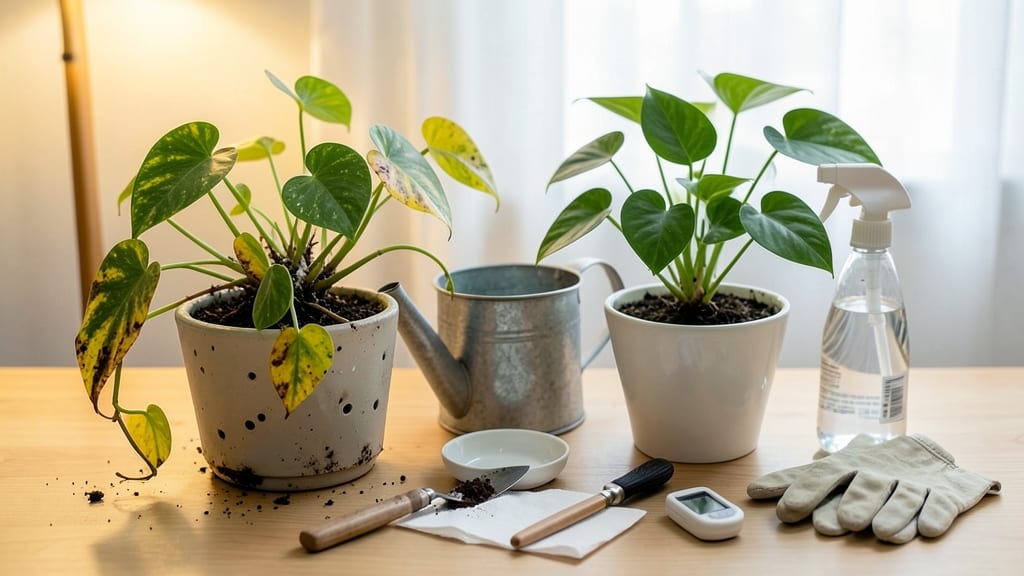
Your how to fix overwatered indoor plant woes aren’t a death sentence—just a cry for help. 🌱 I’ve nursed back more overwatered houseplants than I’d like to admit, and the secret isn’t dramatic fixes but careful, patient adjustments that save both roots and foliage.
The first step is stopping the watering panic—drainage and airflow matter more than how often you water. Yellowing leaves? That’s the plant’s SOS. Root rot sets in when soil stays soggy for days, so let’s assess the damage without pulling out what’s still salvageable.
You’ll see new growth in as little as 2 weeks if you prune the worst leaves, repot in fresh soil, and adjust your watering to “damp but not drenched.” The key is consistency—overwatering plants hate unpredictability almost as much as they hate soggy roots.
This works for everything from ferns to fiddle-leaf figs, though succulents and tropicals need slightly different recovery timelines. Let’s get your plant back on track without losing a single leaf to the cause.
Root of the Problem
Overwatering your indoor plants might seem like a harmless mistake—after all, plants need water to thrive, right? 🌱 But when roots sit in soggy soil for too long, a cascade of issues begins, often leading to a plant that looks sad, droopy, or even dead.
Understanding why this happens is the first step to saving your leafy friend. Let’s dig into the science behind it.
Most indoor plants originate from environments where water drains quickly—think forests, mountains, or deserts. When you pot them in containers without proper drainage (like no holes in the bottom), excess water has nowhere to go. Instead of absorbing what it needs, the roots suffocate in a waterlogged environment.
- Why it’s bad: Without oxygen, roots can’t respire (yes, they breathe!). They start to rot, turning brown or mushy, and harmful bacteria or fungi move in, causing root rot.
- Actionable clue: If water pools at the bottom of the pot for more than a few hours after watering, your plant is at risk.
- Pro tip: Always use pots with drainage holes and a cache pot (or tray) underneath to catch runoff. 💡
We’ve all been guilty of it: checking the soil and thinking, “It’s dry… or is it?” Then we water again, just to be safe. But indoor plants don’t need a daily drink—most thrive on a schedule, not a guess.
- Why it’s bad: Overwatering disrupts the osmotic balance in plant cells. When roots are constantly in water, they absorb too much through osmosis, diluting essential nutrients and causing cellular damage.
- Science alert: Plants have stomata (tiny pores) that close when overwatered, preventing transpiration. This leads to wilting, even if the soil is wet.
- Fix it: Stick your finger 1-2 inches into the soil—if it’s damp, wait. If it’s bone-dry, water thoroughly but only until water drains out the bottom. ⏰
Not all soil is created equal. Peat-based potting mixes retain moisture for days, while cactus or succulent mixes dry out in hours. If your plant’s native soil doesn’t match its needs, overwatering becomes inevitable.
| Plant Type | Ideal Soil Mix | Why It Matters |
|---|---|---|
| Ferns, Calatheas | Peat + perlite (60/40) | Holds moisture but allows airflow. |
| Succulents, Snake Plants | Cactus mix + pumice (50/50) | Dries out fast, preventing rot. |
| Herbs (Basil, Mint) | Well-draining potting soil + sand | Mimics their Mediterranean roots. |
Red flag: If your plant’s leaves turn yellow or feel mushy, the soil might be too dense. Amending with perlite, orchid bark, or coconut coir can improve drainage. ✨
Indoor environments—especially in winter with heaters blasting or summer with AC running—create microclimates that confuse plants. Low humidity or sudden temperature drops can trick roots into thinking they’re in a drought, even when they’re not.
- Why it’s bad: Cold roots (below 60°F/15°C) absorb water slowly, leading to waterlogging. High humidity (like in bathrooms) can also prevent evaporation, keeping soil soggy longer.
- Solution:
- Move plants away from vents/AC units.
- Use a hygrometer to monitor humidity—ideal range is 40-60% for most plants.
- Group plants together to create a self-humidifying mini-ecosystem. 🌿
Overwatered soil isn’t just a problem for your plant—it’s an invitation for pests like fungus gnats, slugs, or root-eating grubs. These critters thrive in damp conditions, weakening roots and spreading disease.
- Signs of trouble:
- Black, fly-like insects hovering near soil.
- Shiny, slimy trails on stems (slugs).
- Stunted growth despite “wet” soil.
- Break the cycle: Let the top inch of soil dry out between waterings, and treat infestations with neem oil or beneficial nematodes. 🚫🐜
Revive Your Plant Step by Step
Now that you’ve identified the signs of overwatering, it’s time to take action—before it’s too late! The good news? Most plants can bounce back with the right care.
Below, we’ve mapped out practical fixes based on the root cause of your plant’s distress, along with prevention tips to keep it thriving long-term.
Cause: Root rot from prolonged soggy soil or poor drainage. Solution:
- 🔥 Remove the Plant Gently
- Carefully take the plant out of its pot, shaking off excess soil to inspect the roots. Healthy roots are firm and white; rotten roots are mushy, brown, or black.
- 🍳 Trim the Damaged Roots
- Use sterilized scissors or pruning shears to cut away any soft, discolored roots. Focus on the affected areas—don’t overdo it, but don’t leave rot behind either.
- 👨🍳 Repot in Fresh, Dry Soil
- Choose a well-draining potting mix (add perlite or orchid bark if yours is too dense). Repot the plant in a clean pot with drainage holes—terracotta is ideal for airflow.
- 🥘 Hold Off on Watering
- Let the soil dry out completely before watering again. Stick your finger 1-2 inches deep—if it’s damp, wait another day.
💡 Prevention Tip:
- Upgrade your pot! If your current container lacks drainage, switch to one with holes or use a cache pot (a decorative outer pot with a removable inner one for drainage).
- Water only when the top 50% of soil is dry. Use a moisture meter if you’re unsure.
Cause: Overwatering + compacted soil cutting off oxygen to roots. Solution:
- ⏰ Give It Time to Recover
- Place the plant in bright, indirect light (no direct sun yet—it’s stressed!). Avoid dark corners, which slow recovery.
- 🌡️ Adjust Humidity & Airflow
- Group plants together to raise humidity, or use a pebble tray with water nearby. Ensure good airflow to prevent fungal growth.
- 🎯 Water Lightly & Less Often
- If the soil is still damp, skip watering entirely for 3-5 days. Once dry, water only until it runs out the drainage hole, then empty the saucer.
✨ Pro Tip:
- Mist the leaves (not the soil) with room-temperature water to help rehydrate without overdoing it. Do this once daily until the plant perks up.
Cause: Chronic overwatering starves roots of oxygen, halting nutrient uptake. Solution:
- 🔪 Prune Dead or Weak Growth
- Snip off yellow, brown, or mushy leaves at the base with clean scissors. This redirects energy to healthy growth.
- 📊 Fertilize Sparingly (If Needed)
- Wait 4-6 weeks after repotting before fertilizing. Use a balanced, water-soluble fertilizer (like 10-10-10) diluted to half strength. Overwatering + fertilizer = root burn!
- 🥗 Boost Soil Health
- Mix in compost or worm castings (10%) into the fresh potting mix to replenish nutrients. Avoid heavy amendments like peat moss if drainage is poor.
💡 Prevention Tip:
- Stick to a watering schedule. Use a spray bottle to check soil moisture—if it’s damp below the surface, hold off. For heavy drinkers (like monstera or fiddle-leaf figs), water every 7-10 days.
If your plant has no firm roots left or smells foul, it may need propagation rescue: 1. 🌱 Take Stem Cuttings - Cut healthy stems (with at least 2-3 nodes) and let them dry for 1-2 hours to callous over.
- 🍳 Root in Water or Soil - Option 1: Place cuttings in clean water (change every 3 days) until roots form (2-4 weeks). - Option 2: Dip in rooting hormone and plant in sterile, well-draining soil.
- 👨🍳 Keep Humid & Warm - Cover with a plastic bag (remove daily for airflow) and place in bright, indirect light. Mist lightly to maintain humidity.
✨ Pro Tip:
- Save the pot! If the container is clean, reuse it for propagation. Just sterilize it with a 1:10 bleach-water mix (rinse well).
| Habit | Fix |
|---|---|
| Overwatering | Water only when the top 1-2 inches of soil are dry. |
| Poor Drainage | Use pots with holes + a cache pot if needed. |
| No Monitoring | Invest in a moisture meter or self-watering pot. |
| Heavy Soil | Mix in perlite, orchid bark, or coco coir for airflow. |
| Ignoring Signs | Check roots every 2 months—prevent rot before it starts! |
Final Note: Patience is key! Some plants (like snake plants or pothos) recover faster, while others (like ferns) may take weeks. Celebrate small wins—new growth is a great sign your plant is on the mend! 🌟
Frequently asked questions about reviving overwatered indoor plants
How do I know if my plant has root rot from overwatering?
Check the roots: healthy ones are firm and white, while rotten roots are mushy, brown, or black with a foul smell. If you see these signs, trim away the damaged roots with sterilized scissors before repotting in fresh, dry soil.
Can I save a plant that's completely wilted and mushy?
Sometimes! First, remove it from the pot and inspect the roots. If there are still some healthy roots left, trim the damaged parts, repot in fresh soil, and withhold water until the soil dries out completely. For severely damaged plants, try propagation from healthy stems.
How often should I water my plant after fixing overwatering damage?
Wait until the top 1-2 inches of soil are completely dry before watering again. Use your finger to check moisture—if it feels damp, wait another day. Most indoor plants only need water every 7-10 days once recovered.
What's the best soil mix to prevent future overwatering?
For most plants, mix 60% potting soil with 40% perlite or orchid bark to improve drainage. Succulents need even more airflow—try a 50/50 mix of cactus soil and pumice. Always use pots with drainage holes.
Will my plant come back if I've already pruned most of the leaves?
Pruning removes damaged foliage and helps the plant redirect energy to new growth. Just keep the plant in bright, indirect light and avoid fertilizing for 4-6 weeks. You should see new leaves within 2-4 weeks if the roots are healthy.