
Aphids
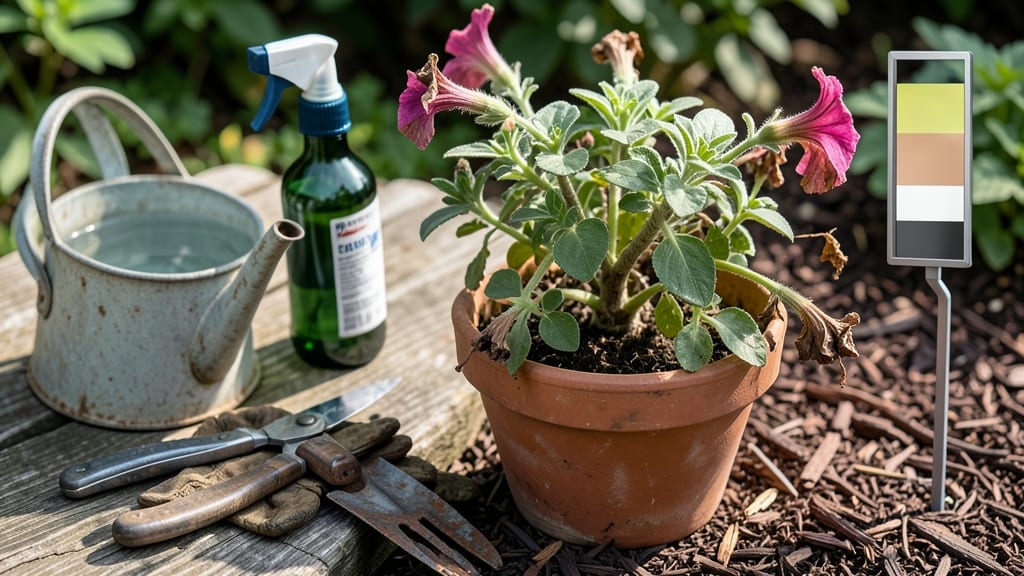
How to bring these petunias back to life could be simpler than you think. 🌸 That sad, drooping mound of green might just be waiting beneath the surface—ready to burst into vibrant blooms with the right care. I’ve nursed more than my share of struggling petunias back to life, and the secret isn’t complicated: it’s about diagnosing the real problem first.
Wilting petunias usually point to one of three issues: too much water (or not enough), hidden pests like aphids or spider mites, or a simple lack of nutrients. Start by checking the soil—it should be moist but not soggy, and the stems should feel firm, not mushy.
If you see tiny bugs or sticky residue, that’s your clue to act fast.
Within 7-10 days, you’ll see new growth if you prune the damaged parts, adjust your watering, and give them a balanced fertilizer. The key is patience—petunias bounce back faster than you’d expect once you address the root cause (literally).
This works for both container petunias and in-ground plants, whether you’re dealing with heat stress or winter dormancy. Let’s turn that sad plant into your garden’s showstopper again.
📚 In This Guide
- What you need
- Instructions
- Tips and common mistakes
- Wrapping up and next steps
What you need
- ● Pruning shears or clean scissors – To trim dead or damaged foliage (sterilize with rubbing alcohol first!).
- ● Well-draining potting mix – A blend of peat moss, perlite, and compost (1 part each) works wonders. For 1 gallon pot, use 2-3 cups of mix.
- ● Balanced liquid fertilizer – A 10-10-10 or 20-20-20 NPK ratio (diluted to ½ strength). 1 tbsp per gallon of water is ideal.
- ● Watering can or spray bottle – For gentle hydration (avoid overhead watering to prevent fungal issues).
- ● Plastic wrap or clear dome – To create a humidity tent (if reviving severely wilted plants).
- ● Neem oil or insecticidal soap – If aphids or pests are the culprit (mix 1 tsp per quart of water).
- ● Small container or tray – For root soaking (if roots are severely damaged).
- ● Rooting hormone – To boost regrowth if you’re propagating cuttings (gel or powder form).
- ● Epsom salt – A ½ tsp per gallon of water can provide magnesium for stressed plants.
- ● Slow-release granules – Mix 1 tsp per pot into the soil for sustained nutrients.
- ● Grow lights or sunny windowsill – If your petunias need extra light post-revival (6+ hours/day).
- ● Mulch (straw or shredded bark) – To retain moisture and regulate soil temperature (½-inch layer).
Step-by-Step instructions for reviving wilted petunias
Here's how I bring my petunias back from the brink—no fancy tools, just smart care.
💧 Step 1: Check and Correct Watering Habits
First, stick your finger 1-2 inches deep into the soil. If it feels bone-dry, your petunias are thirsty—not dead. Petunias wilt when their roots dry out, but they bounce back fast with proper hydration. Water deeply until moisture reaches 6 inches down, then let the top inch dry before watering again.
I know it seems counterintuitive, but don’t water from above—it washes away soil and disturbs roots. Instead, use a soaker hose or water at the base. If your petunias are in containers, lift them to check weight: dry pots weigh almost nothing. Water until it runs freely from the drainage holes.
☀️ Step 2: Adjust Light and Protect from Stress
Too much direct sun after wilting can fry petunias faster than dehydration. Move them to morning sun with afternoon shade for 3-5 days while they recover. You’ll see leaves perk up within 24 hours if they’re just thirsty, but if they stay limp, they’ve been sunburned.
If your petunias are in full sun all day, provide 30% shade cloth or move them under a patio cover. Avoid cold drafts too—petunias hate temperature swings. At night, if temps drop below 55°F, bring potted petunias indoors or cover them with frost cloth.
✂️ Step 3: Prune and Fertilize for a Strong Comeback
Snip off any brown or mushy stems with clean scissors—these won’t recover. Cut back healthy but leggy growth by one-third to encourage bushier regrowth. This might seem drastic, but petunias respond well to pruning once they’re stable.
Feed them with a balanced liquid fertilizer (10-10-10 or 20-20-20) diluted to half strength. I mix it directly into the watering can and apply it in the evening to prevent leaf burn. You’ll notice new leaves in 5-7 days—that’s your sign they’re on the mend.
🌱 Step 4: Monitor and Prevent Future Wilting
Once your petunias are revived, keep soil consistently moist (not soggy). Mulch with 1-2 inches of organic mulch to retain moisture and regulate temperature. I use shredded bark because it breaks down slowly and improves soil over time.
Watch for pests like aphids or spider mites, which love stressed plants. Spray with neem oil if you spot sticky residue or tiny webs. A healthy petunia will bloom again in 2-3 weeks—just give it time and steady care.
Tips & tricks for bringing petunias back to life
Real talk: I've brought petunias back from the brink so many times, I've lost count. Here are the tricks that actually work—no gardening myths, just proven techniques.
The Soil Test Trick: When checking soil moisture in Step 1, press your finger in—if it springs back immediately, the soil is too dry. Petunias need that deep hydration (6 inches down) to revive properly. I've seen wilted plants perk up within hours after this step, but only if you water thoroughly. A quick sprinkle won't cut it—think of it like giving them a long drink of water after being parched.
Light Adjustment Secret: That 3-5 day shade period in Step 2 is non-negotiable for stressed petunias. I've made the mistake of rushing them back into full sun too soon, and they wilted again within 24 hours. Morning sun gives them gentle energy without the afternoon heat stress. If you don't have shade cloth, a white bedsheet works in a pinch—just drape it loosely to allow some light through.
Pruning Precision: When cutting back leggy growth in Step 3, always cut just above a leaf node (that little bump where leaves grow). This encourages new growth from exactly where the plant needs it. I use clean scissors dipped in rubbing alcohol between cuts to prevent spreading any potential diseases. And here's what nobody tells you—if your petunias are completely limp, wait 24 hours before pruning. Sometimes they just need time to recover before you can safely trim.
Fertilizer Timing: That 5-7 day window for new leaf growth in Step 3 is your green light to know it's working. But don't overdo the fertilizer—half strength is perfect. I've seen people burn their plants by using full strength, and it takes weeks to recover from that. Also, always apply fertilizer in the evening when the sun is low to prevent leaf burn from the concentrated nutrients.
Pro Tips for Bring Petunias Back To Life
- Real talk: I've brought petunias back from the brink so many times, I've lost count.
- The Soil Test Trick: When checking soil moisture in Step 1, press your finger in—if it springs back immediately, the soil is too dry.
- Light Adjustment Secret: That 3-5 day shade period in Step 2 is non-negotiable for stressed petunias.
Frequently asked questions
Got questions about reviving your petunias? You’re not alone! Here are some of the most common concerns—and quick, actionable answers to get your blooms back on track.
Can I save petunias that are completely brown and crispy?
If the stems are still firm (not mushy) and the roots are intact, there’s hope! Trim away dead foliage, soak the roots in water for 10–15 minutes, and replant in fresh, moist soil. Brown petunias often recover faster than you’d think—just give them a little TLC and patience.
How long does it take for petunias to bounce back after wilting?
Most petunias show signs of revival within 24–48 hours of proper care (hydration, pruning, and shade). Full recovery—with new growth and blooms—can take 1–2 weeks, depending on the plant’s health and environmental conditions. Monitor daily for progress!
Should I use tap water or distilled water to revive wilting petunias?
Tap water is usually fine, but if your local water is heavily chlorinated or hard (high in minerals), opt for distilled or rainwater to avoid stressing the plants. Chlorine dissipates after 24 hours if you let tap water sit in a container first—just a quick tip for city gardeners!
What if my petunias keep wilting even after I’ve tried everything?
Persistent wilting could signal root rot, aphids, or overcrowding. Check the roots for mushy spots (rot) or tiny insects (aphids). If the soil is waterlogged, improve drainage with perlite or sand. For pests, spray with neem oil or insecticidal soap. If all else fails, propagate from healthy cuttings!
Can I revive petunias in full sun after they’ve wilted?
Not immediately! After reviving, keep petunias in partial shade (4–6 hours of sun/day) for 3–5 days to reduce stress. Gradually reintroduce full sun over a week to avoid shocking the plant. Mornings are gentler than afternoon heat—ideal for transitioning back to sunny spots.
Wrapping up and next steps
Reviving wilted petunias is totally doable with the right care and patience—your flowers deserve a second chance! 🌸 By addressing hydration, pests, and proper pruning, you’ll see them bounce back stronger than ever. Start small: check soil moisture, trim dead growth, and protect them from pests like aphids.
Now that you’re equipped with the know-how, take action today! Grab your shears, watering can, and a little love, and give your petunias the TLC they need. Watch them flourish in no time—your green thumb is about to shine! 🌱