
How To
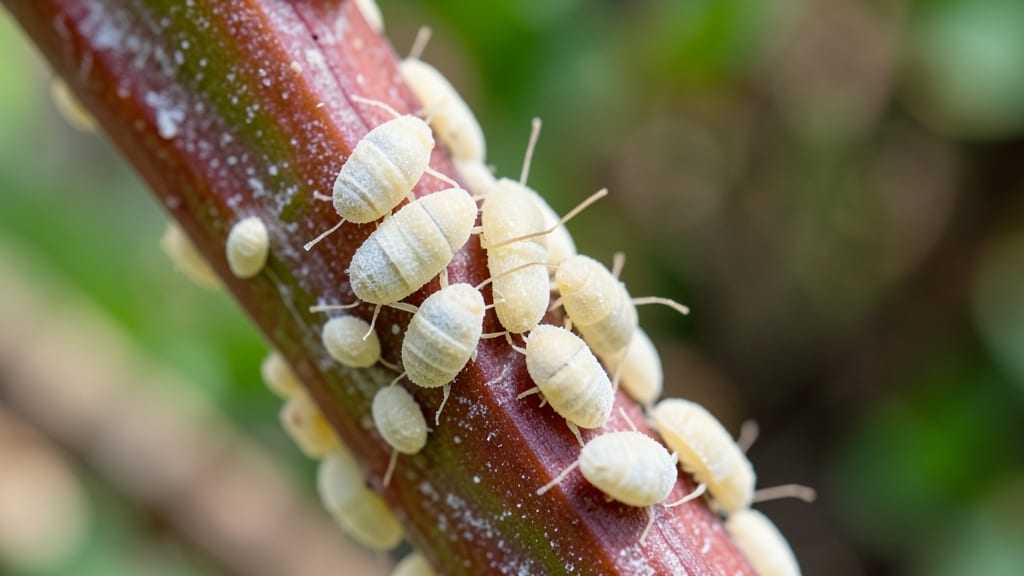
How to eliminate mealybugs on indoor Portulacaria afra plants—those sticky, white pests can turn your Elephant Bush into a nightmare if left unchecked. 🌱 I’ve battled these invaders on my own plant, and the boiling water drench method works faster than anything else—no chemicals, just instant results. These tiny sap-suckers leave behind cottony residue that weakens your plant’s health.
The key is acting fast. Mealybugs hide in leaf crevices and stems, so check for white, powdery clusters first. A boiling water drench—just 1 cup poured directly on infested areas—smothers them on contact.
For stubborn cases, repeat every 3-5 days until gone. No soapy water needed; the heat does all the work.
After treatment, your Portulacaria afra will bounce back with new growth in 2-3 weeks. The secret? Isolate infected plants early and wipe leaves with a damp cloth to remove residue. This method keeps your Elephant Bush thriving without harming pets or kids.
Prevention is easy: inspect new plants before bringing them home and keep humidity low. A neem oil spray monthly acts as insurance. Trust me, once you’ve seen your plant recover, you’ll never ignore those first signs again.
Root Causes of Mealybug Infestations
Mealybugs may seem like a mysterious nuisance, but their presence on your Portulacaria afra (also known as elephant bush) is rarely random. These tiny, cottony pests thrive under specific conditions, and understanding why they choose your plant is the first step to eliminating them.
Let’s break down the science behind their invasion.
Mealybugs are tropical creatures at heart, and your indoor environment might be mimicking their ideal habitat. While Portulacaria afra prefers warmth, excessive heat—especially when combined with high humidity—creates the perfect breeding ground. Here’s why:
- Metabolic Boost: Warmth accelerates mealybug reproduction. Females can lay hundreds of eggs in their lifetime, and heat speeds up their development from egg to adult in just 2–4 weeks.
- Moisture Retention: High humidity keeps their waxy, cotton-like coating hydrated, preventing desiccation. Dry air would dehydrate them, but indoor heating or clustering plants together traps moisture near the leaves and stems.
- Weakened Plant Defense: Heat stress weakens your Portulacaria afra, making it harder for the plant to produce sticky honeydew (a natural pest deterrent) or mount a robust immune response.
Actionable Insight: If your home stays above 75°F (24°C) or feels muggy, especially near vents or windows, mealybugs will see it as an all-you-can-eat buffet. 🍽️
Mealybugs love hiding in tight spaces where they’re protected from predators and pesticides. Your Portulacaria afra’s dense, fleshy foliage provides the perfect hideout—especially if airflow is stagnant. Here’s the breakdown:
- Shelter from Predators: Natural enemies like ladybugs, lacewings, or parasitic wasps struggle to reach mealybugs nestled in leaf axils (the crevices where leaves meet stems).
- Stagnant Air = Stagnant Traps: Without airflow, honeydew (their sugary waste) lingers, attracting sooty mold (a black fungal growth) and further stressing the plant, which attracts more mealybugs.
- High CO₂ Buildup: Poor ventilation can lead to elevated CO₂ levels, which some studies suggest may indirectly stress plants, making them more susceptible to pests.
Actionable Insight: If your plant is crammed between other houseplants or sits in a corner with no breeze, it’s basically a mealybug motel. 🏨✨ A small fan on low or occasional pruning to open up the plant can disrupt their cozy setup.
Portulacaria afra is a succulent, meaning it stores water in its leaves and stems—but mealybugs exploit this by targeting overwatered, soggy plants. Here’s the science:
- Soft Tissue = Easy Meal: Overwatering makes plant tissue plump and tender, making it easier for mealybugs to pierce with their stylets (mouthparts) to suck out sap.
- Fungal Hitchhikers: Excess moisture encourages root rot and fungal growth, which weakens the plant’s defenses and makes it more attractive to mealybugs as a food source.
- Moisture-Loving Eggs: Mealybug eggs require humidity to hatch. If your soil stays damp for days, you’re essentially running a mealybug nursery.
Actionable Insight: Let the top 2–3 inches of soil dry out between waterings. If your Portulacaria afra is in a pot without drainage holes, repot it—stagnant water is a mealybug magnet. 🚫💦
A plant under stress is like a buffet sign for mealybugs. Nutritional deficiencies or imbalances make Portulacaria afra an easy target. Here’s how it plays out:
- Nitrogen Deficiency: Mealybugs thrive on sap-rich plants. If your plant lacks nitrogen, it produces softer, more succulent leaves—a mealybug’s dream.
- Phosphorus Imbalance: Too little phosphorus weakens root growth, reducing the plant’s ability to fight off pests. Too much can lead to excessive sap production, which attracts more bugs.
- Micronutrient Starvation: Deficiencies in calcium, magnesium, or potassium can cause leaf discoloration and weak cell walls, making it easier for mealybugs to feed.
Actionable Insight: Feed your Portulacaria afra with a balanced, diluted fertilizer (e.g., 5-5-5 or 10-10-10) every 4–6 weeks during growing season. Avoid over-fertilizing—more isn’t always better for pest resistance. 🌱💡
Sometimes, mealybugs aren’t invading your Portulacaria afra on their own—they’re hitchhiking. Here’s how it happens:
- Infested Pruning Tools: If you’ve trimmed other plants without sterilizing your shears, mealybugs (or their eggs) can transfer to your elephant bush.
- New Additions to Your Collection: Bringing home a new houseplant without quarantining it first? You might’ve unknowingly introduced mealybugs to your Portulacaria afra.
- Potting Soil Contamination: Cheap or reused soil can harbor pest eggs or larvae that emerge once planted.
Actionable Insight: Always sterilize tools with rubbing alcohol between plants and quarantine new plants for 2–4 weeks before introducing them to your collection. 🛡️🔍
Quick Fixes for Mealybug Menace
Mealybugs may seem like a stubborn foe, but with the right approach, you can restore your Portulacaria afra (Elephant Bush) to its lush, pest-free glory.
Below are targeted solutions based on the root causes of infestation—from early signs to severe outbreaks—plus prevention tips to keep these sap-sucking pests away for good.
Cause: Tiny white cottony clusters (eggs or adults) hiding in leaf crevices or stems. Fix: Catch them before they multiply!
- 🔥 Isolate & Inspect Move your plant away from others to prevent spread. Check undersides of leaves, leaf axils, and stems with a magnifying glass or flashlight.
- 🍳 DIY Boiling Water Drench (Star Treatment!) Why it works: Mealybugs hate heat, and boiling water suffocates them instantly.
- Boil 1 cup of water per quart of infested plant.
- Let it cool for 30 seconds (to avoid scorching leaves).
- Pour slowly over the undersides of leaves and stems, focusing on cottony spots.
- Repeat every 3–4 days for 2 weeks to kill new hatchlings.
- 👨🍳 Soapy Water Spray (Gentle Alternative) Mix 1 tsp mild dish soap (like Dawn) with 1 quart of water. Spray directly on mealybugs (avoid healthy leaves). Rinse after 10 minutes.
Cause: Visible webbing, sticky honeydew, or yellowing leaves from sap-sucking damage. Fix: Aggressive but plant-safe treatments.
- ✨ Neem Oil Blast (Natural Pesticide) Recipe: 1 tbsp neem oil + 1 tsp mild soap + 1 quart water. Shake well and spray evenly (especially undersides).
- Pro Tip: Apply at dusk to avoid sunburning leaves. Repeat every 5–7 days for 3 weeks.
- 🔪 Prune & Dispose Cut off heavily infested leaves/stems with sterilized scissors (wipe with rubbing alcohol). Bag and trash (don’t compost!) to stop reinfestation.
- 🐞 Beneficial Insects (Long-Term Defense) Release ladybugs or cryptolaemus beetles (sold at garden centers). They eat mealybugs on contact—no chemicals needed!
Cause: Plant looks sticky, wilted, or covered in mealybugs; growth is stunted. Fix: Heavy-duty rescue missions.
- 🚫 Chemical Last Resort (Use Sparingly!) If organic methods fail, try systemic insecticide (like Imidacloprid) only as a last resort.
- How to apply: Mix with water and soak the soil (not leaves). Avoid overuse—mealybugs can build resistance!
- 🌊 Deep Water Soak (For Root Health) Mealybugs weaken roots. Submerge the pot in water for 10–15 minutes to flush out pests, then repot in fresh, sterile soil.
Once you’ve won the battle, lock in the victory with these habits:
- 🌿 Quarantine New Plants Isolate any new additions for 2–4 weeks before introducing them to your collection.
- 🌡️ Monitor & Maintain
- Wipe leaves monthly with a damp microfiber cloth to remove honeydew and early pests.
- Avoid overwatering—mealybugs love soft, stressed plants.
- 🌱 Boost Plant Health
- Bright, indirect light (Portulacaria afra thrives in 6+ hours of sun).
- Well-draining soil (they hate soggy roots!).
- Fertilize lightly (overfeeding attracts pests).
💡 Pro Tip: If mealybugs return, rotate methods—pests adapt to single treatments! Consistency is key. Your Elephant Bush will bounce back stronger and pest-free with patience and persistence.
Frequently asked questions
Can I use rubbing alcohol to kill mealybugs on my Portulacaria afra?
Yes! 70% isopropyl alcohol works great as a spot treatment. Dip a cotton swab in the alcohol and gently dab directly on mealybugs and their cottony clusters. The alcohol dehydrates them instantly. Just avoid healthy plant tissue, as it can cause leaf burn. Repeat every 3-4 days until all signs disappear.
Will my Portulacaria afra recover if I remove all the infested leaves?
Pruning heavily infested leaves is one of the fastest ways to stop the spread. Use sterilized scissors to cut off affected areas, then dispose of them in sealed bags. Your plant will regrow healthy leaves within 4-6 weeks if you keep it well-watered and monitor for new pests. Just avoid over-pruning—remove only the worst affected areas.
How do I know if my Portulacaria afra has mealybugs before they become visible?
Watch for these early signs: sticky residue on leaves (honeydew), yellowing or curling leaves, or black sooty mold (a fungal growth fed by honeydew). Also check for tiny white specks in leaf crevices with a magnifying glass. If you spot any of these, act fast—mealybugs multiply quickly and can become overwhelming.
Are there any pet-safe mealybug treatments for my Portulacaria afra?
Yes! The boiling water method and neem oil spray are both pet-safe when used correctly. Avoid chemical insecticides like Imidacloprid if pets have access to your plants. For extra safety, isolate treated plants until fully dry. Always spot-test treatments on a small leaf area first to ensure no irritation occurs.
Why do mealybugs keep coming back after treatment?
This usually happens when eggs survive treatment or new pests hitchhike from other plants. To prevent recurrence, rotate treatments (try boiling water one week, neem oil the next), quarantine new plants for 2-4 weeks, and sterilize tools between uses. Also check nearby plants—they might be the source of reinfestation.