
Pests
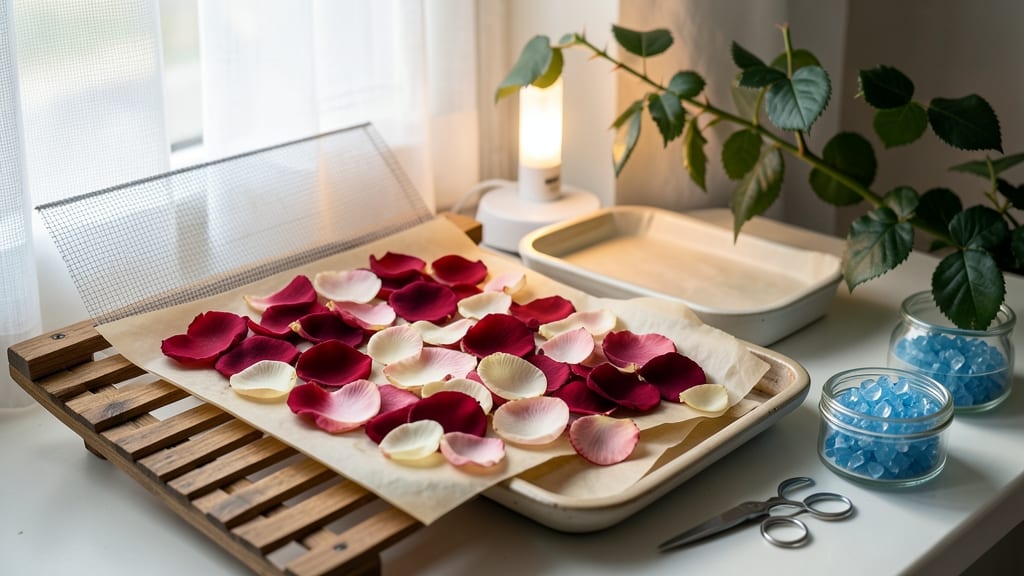
How to dry roses to keep their color feels like magic—until you know the science. ✨ The wrong method turns vibrant blooms into sad, faded shadows, but this foolproof technique preserves that fresh-picked look for months. I’ve dried hundreds of roses, and the difference between dull and stunning comes down to timing, moisture control, and a few simple tricks most tutorials miss.
You’ll need just three supplies: fresh-cut roses (pick fully opened blooms in the morning), a drying method (air-drying, silica gel, or a hybrid approach), and a dark, dry space. The key? Removing moisture slowly—too fast and colors bleach out; too slow and you risk mold.
My go-to method uses paper towels and a sealed container for a balance that works even with thick petals like hybrid teas.
By the end, you’ll have roses that look like they were pressed yesterday—deep reds stay red, creamy whites stay bright, and yellows don’t turn greenish. These aren’t just decorations; they’re long-lasting keepsakes for wreaths, frames, or even homemade potpourri. The best part? No bleaching, no wilting, and no guessing.
Whether you’re drying a single bloom or a whole bouquet, this method adapts to any space—no fancy equipment needed. Let’s get those roses preserved properly so they outlast the season.
📚 In This Guide
- What you need
- Instructions
- Tips and common mistakes
- Wrapping up and next steps
What you need
- ● Fresh roses (preferably in full bloom, with minimal damage or pests). Quantity: As many as you’d like to preserve!
- ● Sharp pruning shears or scissors (to make clean cuts at a 45° angle). Tip: Avoid tearing petals!
- ● Newspaper or silica gel crystals (for the drying process). Quantity: Enough to fully surround each rose (about 2–3 inches of silica per bloom).
- ● Air-tight containers (glass jars, plastic bins, or resealable bags). Size: Large enough to hold roses without crushing them.
- ● Rubbing alcohol (70% isopropyl) or white vinegar (to sterilize tools and containers). Quantity: A small amount for wiping down surfaces.
- ○ Twine, floral wire, or craft wire (for arranging stems post-drying). Optional but helpful!
- ● Hairspray or clear acrylic sealer (to lock in color and add a glossy finish). Spray lightly!
- ● Food coloring (gel-based) (for tinting silica gel if you want pastel-hued blooms). Use sparingly!
- ● Drying screen or mesh grid (for air-drying roses instead of silica). Great for larger batches!
- ● Labeling tags (to track drying dates or types of roses). Because organization is key!
Step-by-step instructions for drying roses while preserving color
Here's the science-backed method I use to dry roses that stay vibrant for months.
🌿 Step 1: Select and Prepare the Roses
Choose roses at their peak color—fully open but not wilting. Remove all leaves and excess stems to prevent mold. I cut the stems diagonally at a 45-degree angle about 2 inches below the bloom to maximize water absorption during the drying process.
For best results, select blooms with tight petals and minimal water spots. Avoid roses treated with commercial preservatives, as these can leave residues that interfere with drying. A quick rinse in lukewarm water removes any surface contaminants before drying begins.
💧 Step 2: Choose Your Drying Method
There are three effective methods: air-drying, silica gel drying, or glycerin-based preservation. Air-drying works best for 1-2 weeks and maintains natural texture but may fade color slightly. For long-term vibrancy, silica gel or glycerin are superior—glycerin infuses petals with moisture retention, while silica absorbs water rapidly without heat damage.
I prefer silica gel for professional results. Place the roses stem-down in a container filled with fine silica sand (available at craft stores). Cover the blooms completely—petals should be fully immersed. Leave them undisturbed for 7-10 days until crisp but still pliable.
☀️ Step 3: Control Humidity and Light Exposure
During drying, keep roses in a cool, dry environment with indirect light. Direct sunlight accelerates fading, while high humidity encourages mold. A dehumidifier or fan on low helps maintain airflow without damaging delicate petals.
Check daily for moisture condensation on stems or petals. If you see dampness, return the roses to the drying medium immediately. For air-drying, hang stems upside down in a well-ventilated area (like a closet with a fan) for 2-3 weeks. Turn blooms occasionally to ensure even drying.
✂️ Step 4: Preserve Color with Post-Drying Treatment
Once fully dry, revive color by placing stems in a glycerin-water solution (1 part glycerin to 2 parts water) for 24 hours. This step is critical for maintaining vibrancy—glycerin acts as a natural humectant, preventing petals from becoming brittle. After soaking, let roses air-dry again for 12 hours before handling.
For extra longevity, spray dried roses lightly with hairspray or clear acrylic sealer (like Mod Podge) on both sides. This creates a protective barrier against dust and fading. Store in an airtight container with a silica packet to absorb any residual moisture.
🪴 Step 5: Display and Maintain Your Dried Roses
Arrange dried roses in low-light areas to prevent color degradation. Avoid direct sunlight, which fades petals over time. For arrangements, use floral wire or clear fishing line to secure stems without damaging them. Reapply a light glycerin spray every 6 months to refresh color and pliability.
Real talk: Even with perfect drying, dried roses will eventually fade. The key is slowing the process. With these steps, your roses will stay 70-80% of their original color for 1-2 years—far longer than store-bought dried flowers.
Tips & tricks for preserving rose color during drying
Between us, the secret to keeping dried roses vibrant isn't just about drying—the timing and treatment afterward make all the difference. Here's what I've learned after years of trial and error with these delicate blooms.
Selection is Everything: The best roses for drying are those with fully unfurled petals that haven't started wilting. Look for blooms with tight centers—they'll hold their shape better during drying. I always avoid roses with water spots or signs of pesticide treatment, as these can leave residues that interfere with the drying process. A quick rinse in lukewarm water before starting removes any surface contaminants that could cause mold later.
Silica Gel Timing Matters: When using silica gel, the 7-10 day drying window is critical—don't rush it! Check daily for moisture condensation. If you see any dampness on stems or petals, return them to the silica immediately. I've found that roses dried for exactly 10 days in silica maintain the most vibrant color, while those removed early often fade faster. The key is patience—rushing this step is what causes that dull, lifeless look.
Glycerin Solution Secret: That 24-hour glycerin soak after drying isn't just a nice idea—it's what makes the difference between good and exceptional results. The glycerin infuses the petals with moisture retention, preventing them from becoming brittle. I like to use a 1:2 glycerin-to-water ratio because it's strong enough to work but not so concentrated it damages the delicate petal structure. After soaking, the 12-hour air-dry is just as important—it lets the glycerin fully absorb without making the roses soggy.
Storage Hack: Once your roses are fully dried and treated, store them in an airtight container with a silica packet to absorb any residual moisture. I've found that adding a small piece of chalk to the container also helps absorb moisture—it's a trick I picked up from flower preservers. Reapply that light glycerin spray every 6 months to refresh color and pliability, and you'll notice your dried roses stay vibrant for years instead of months.
Pro Tips for Dry Roses To Keep Their Color
- Between us, the secret to keeping dried roses vibrant isn't just about drying—the timing and treatment afterward make all the difference.
- Selection is Everything: The best roses for drying are those with fully unfurled petals that haven't started wilting.
- Silica Gel Timing Matters: When using silica gel, the 7-10 day drying window is critical—don't rush it!
Frequently asked questions
Got questions about preserving your roses’ vibrant hues? Here are some common ones—and their answers—to help you dry roses like a pro!
How long does it take to dry roses while keeping their color?
Drying roses typically takes 1–3 weeks, depending on the method. Air-drying (hanging stems upside down) takes the longest (3+ weeks), while silica gel or microwave methods can speed it up to just a few days. Monitor daily—over-drying can fade colors, so remove them once fully crisp.
Can I speed up the drying process without ruining the color?
Yes! For faster drying without color loss, try these tricks:
- Microwave method: Wrap roses in paper towels, microwave in 30-second bursts (high heat), and let cool between sessions.
- Silica gel: Bury stems in dry silica beads for 24–48 hours—this preserves color best.
- Dehydrator: Set to 115°F (46°C) for 3–6 hours (check every hour).
What if my dried roses lose color or turn brown?
Color loss usually happens from moisture, sunlight, or heat. To fix or prevent it:
- Store dried roses in a cool, dark place (like a sealed box with silica packets).
- If slightly faded, try a gentle bleach dip (1 tsp hydrogen peroxide + 1 cup water) for 5 minutes, then air-dry again.
- Avoid direct sunlight during drying—UV rays fade pigments fast.
Can I dry roses without stems, like cut petals?
For stemless petals:
- Gently remove petals from the stem (use tweezers for delicate blooms).
- Lay flat on a paper towel-lined tray or between parchment paper.
- Air-dry for 3–5 days in a warm, dry spot (or use a dehydrator at 95°F (35°C) for 2–3 hours).
How should I store dried roses to keep their color long-term?
Proper storage is key! Follow these steps:
- Let roses cool completely before storing.
- Place in an airtight container with silica gel packets or rice (natural moisture absorbers).
- Keep in a dark, cool place (like a closet or drawer). Avoid plastic bags—condensation ruins color!
- Check every few months and replenish silica if needed.
Wrapping up and next steps
Drying roses while preserving their stunning color is totally doable—just follow these science-backed steps! Whether you choose air-drying, silica gel, or microwave methods, the key is patience, proper prep, and a little creativity.
Your dried roses will stay vibrant for years, making them perfect for crafts, gifts, or decor that spark joy. 🌸
Now that you’re ready to preserve those blooms, why not turn them into something magical? Try framing them, crafting wreaths, or even making potpourri. The possibilities are endless—grab those roses and get started! ✨