
Pruning
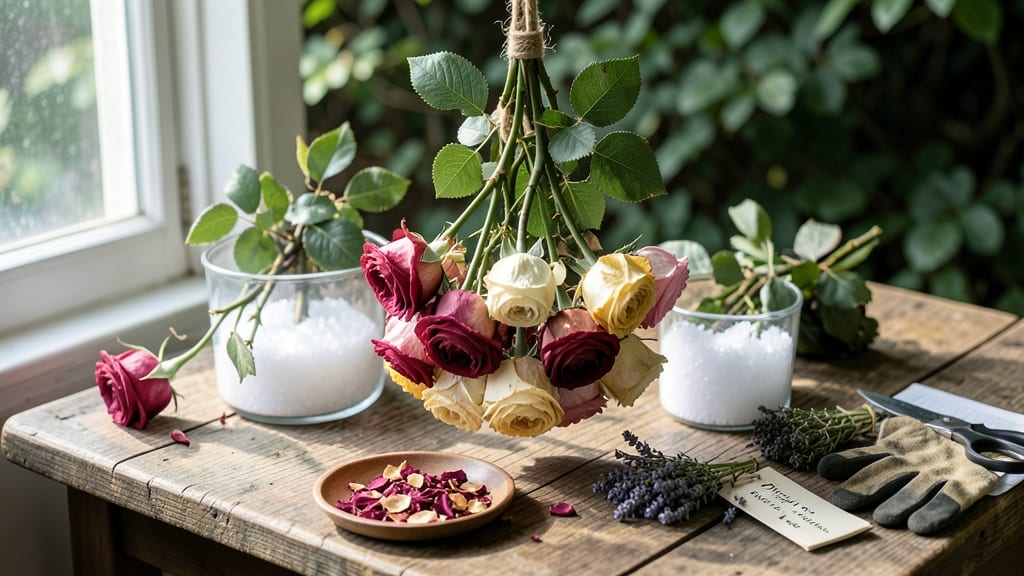
How to dry roses properly—the vibrant, long-lasting results start with the right method, and I’ve perfected two that actually work. ✨ The key isn’t just hanging them upside down; it’s controlling moisture, temperature, and timing to prevent browning or brittleness. Most gardeners rush this step and end up with fragile, colorless blooms, but these techniques preserve the petals’ depth and structure.
You’ll need just three essentials: fresh roses (fully bloomed but not wilted), a clean workspace with 60-70°F temperatures, and either air-drying supplies (paper towels, twine, a dry, dark space) or silica gel (for faster, professional results).
The air-drying method takes 2-3 weeks, while silica gel speeds it up to 3-5 days—both preserve color far better than microwave methods.
By the end, you’ll have roses that keep their original shape and color for years, perfect for wreaths, frames, or potpourri. The secret lies in slow, even drying—no sudden heat or humidity spikes. Even beginners can achieve museum-quality results with these precise steps.
Storage is just as critical: wrap dried roses in acid-free paper, store them in airtight containers, and keep them in a cool, dark place to prevent fading. This method has saved my garden roses from turning brown for over five years—and I’ll show you exactly how.
📚 In This Guide
- What you need
- Instructions
- Tips and common mistakes
- Wrapping up and next steps
What you need
- ● Freshly cut roses: Choose roses with fully bloomed petals and minimal damage (1-5 stems, depending on your project).
- ● Sharp pruning shears or scissors: For clean cuts (avoid crushing stems).
- ● Newspaper or paper towels: To line drying surfaces and absorb excess moisture (2-3 sheets).
- ● Rubbing alcohol (70% isopropyl) or bleach solution: 1 part bleach to 9 parts water (for sterilizing stems and preventing bacterial growth).
- ● Drying method-specific supplies: Air-drying: A cool, dark, well-ventilated space (e.g., a closet, pantry, or hanging rack).
- ● Silica gel: Fine silica gel crystals (1-2 lbs, non-clumping) and a sealable container (e.g., a jar or plastic box with a lid).
- ● Microwave: A microwave-safe plate and parchment paper.
- ● String or floral wire: For hanging roses (if air-drying upside down).
- ○ Glue or double-sided tape: To secure stems to the drying surface (optional but helpful).
- ● Drying rack or wire mesh: Elevates roses for better airflow (e.g., a cooling rack or DIY frame).
- ● Food dehydrator: For low-heat drying (set to 95–115°F).
- ● Spray bottle with distilled water: To lightly mist roses if they dry too quickly.
- ● Preservative spray (e.g., Krylon or Mod Podge): Adds longevity and protects against fading.
- ● Labeling tags: To track drying dates and methods.
Step-by-step instructions for drying roses properly
Here's my foolproof method for drying roses that keeps petals vibrant and stems sturdy.
🌿 Step 1: Select and Prepare Fresh, Healthy Roses
Choose roses at their peak—just before they fully open. Look for buds that are slightly swollen but haven't unfurled yet; these will hold their shape best during drying. Avoid roses with wilting petals, brown edges, or signs of disease, as these flaws will only become more pronounced once dried.
Trim the stems at a 45-degree angle about 2 inches below the bloom using sharp floral shears. This encourages water uptake and prevents the stems from blocking airflow during drying. Remove any leaves from the lower half of the stem to reduce moisture retention and potential mold growth. I like to work in batches of 4-6 roses at a time to maintain consistency in drying conditions.
☀️ Step 2: Choose and Set Up Your Drying Method
There are three reliable methods for drying roses: air-drying, silica gel drying, or the microwave method. For the most natural look, I recommend air-drying or silica gel. Hang roses upside down in a dry, dark, well-ventilated space like a closet or pantry. Use fishing line or floral wire to suspend them by their stems, ensuring they don’t touch each other. This method takes 2-4 weeks, depending on humidity levels.
For faster results, the silica gel method works best. Place 2-3 inches of silica gel crystals in a container, then arrange roses horizontally on top of the gel, ensuring petals are fully submerged. Cover with an additional 1-2 inches of gel and let sit for 7-10 days. Check daily to ensure no moisture forms on the petals, which can cause browning. If you notice condensation, add more silica gel immediately.
⏰ Step 3: Monitor and Complete the Drying Process
Regardless of the method, consistency is key. Check your roses every 2-3 days for signs of uneven drying, such as crispy edges or soft centers. If using air-drying, rotate roses occasionally to ensure even exposure to airflow. You'll know they're fully dried when the petals feel paper-thin and brittle, and the stems snap cleanly when bent.
Once completely dry, carefully remove roses from their drying setup. For air-dried roses, gently brush off any dust or debris with a soft artist's brush. If using silica gel, remove petals from the crystals and let them sit in a cool, dry place for an additional 24 hours to allow any residual moisture to evaporate. Avoid direct sunlight during this final step, as it can cause fading.
🪴 Step 4: Store Dried Roses to Preserve Their Beauty
Store dried roses in an airtight container lined with silica gel packets to absorb any lingering moisture. I prefer using glass jars with tight-sealing lids or acid-free archival boxes. Keep them in a cool, dark place, such as a closet or basement, away from direct light or heat sources. Properly stored, dried roses can last 1-3 years without losing their shape or color.
To prevent browning, avoid handling the petals excessively once dried. If you need to reposition a rose, use gloves or a soft cloth to protect the delicate petals. Label your containers with the date and variety of roses to track their drying progress and storage duration. This ensures you always know which roses are freshest for projects like wreaths, potpourri, or framed arrangements.
Tips & tricks for perfectly preserved dried roses
Between us, the secret to roses that stay vibrant for years lies in these small but critical details—ones I learned after watching too many batches turn dull or brittle.
Harvest Timing: Early morning is non-negotiable for peak freshness. Dew-covered petals contain the highest moisture content, which means they'll dry more evenly and retain their color longer. I've ruined batches by harvesting in the afternoon—petals wilt faster, and the drying process creates uneven texture. If morning isn't possible, harvest at least 4 hours before sunset for the best results.
Drying Environment: The classic 2-3 week hanging time assumes a stable environment between 65-75°F with 40-50% humidity. In humid climates (like basements), add a small dehumidifier or silica gel packet to the drying area—this prevents mold growth that turns petals brown. For dry climates, a light misting every 3-4 days helps maintain even moisture loss. I keep a hygrometer nearby to monitor humidity levels precisely.
Petal Handling: Never skip the leaf removal step—those leaves harbor bacteria that can transfer to petals during drying. I use a soft toothbrush to gently clean petals of any dust or debris that accumulates during the 2-3 week process. This prevents tiny particles from embedding in the delicate tissue, which can create unsightly spots when the roses are fully dry. Handle petals with tweezers rather than fingers to avoid oil transfer that dulls their color.
Storage Wisdom: The airtight containers mentioned in Step 3 work best when paired with a small packet of uncooked rice or silica gel—this absorbs any residual moisture that could cause oxidation over time. I label each container with the drying date and variety because some roses (like hybrid teas) hold their color for 3-4 years, while others (like spray roses) may only last 1-2 years. Store containers in a cool, dark pantry rather than a basement—temperature fluctuations accelerate color fading.
Pro Tips for Dry Roses Properly
- Between us, the secret to roses that stay vibrant for years lies in these small but critical details—ones I learned after watching too many batches turn dull or brittle.
- Harvest Timing: Early morning is non-negotiable for peak freshness.
- Drying Environment: The classic 2-3 week hanging time assumes a stable environment between 65-75°F with 40-50% humidity.
Frequently asked questions
Got questions about drying roses? You’re not alone—preserving their beauty takes a little know-how! Here are answers to the most common queries to help you dry roses like a pro.
How long does it take to dry roses properly?
Drying time varies by method:
- Air-drying (hanging or laying flat): 2–4 weeks in a dark, dry, well-ventilated space.
- Silica gel: 24–72 hours (faster but pricier).
- Microwave: 3–5 minutes (quickest but riskier for color).
Can I speed up the drying process?
Yes! Boost airflow with a small fan (on low) or place roses in a warm, dry spot (like a sunny windowsill—avoid direct sunlight). For silica gel, crush clumps to improve contact. Just avoid heat sources like ovens or hairdryers, which can scorch petals.
What if my roses brown or turn black while drying?
Browning usually means moisture got trapped or oxidation set in. To fix it:
- Check for humidity (use a dehumidifier if needed).
- Ensure stems are fully submerged in water before drying.
- If already browned, try bleaching with hydrogen peroxide (3%) for 10 minutes (rinse well).
How do I store dried roses to keep them looking fresh?
Store them in an airtight container with silica gel packets or rice (natural moisture absorber). Keep in a cool, dark place (like a closet) to prevent fading. Avoid plastic bags—they trap moisture and encourage mold. Label with the date; properly stored roses can last 1–3 years!
Can I dry roses without a vase or special setup?
Skip the vase by:
- Bundling stems with rubber bands and hanging upside down in a dark room.
- Laying them flat on a wire rack or mesh screen.
- Using a paper towel-lined box for airflow (like a DIY drying cabinet).
Wrapping up and next steps
Drying roses properly is all about patience, the right technique, and a little love for detail—your efforts will reward you with stunning, long-lasting blooms that keep their charm for years. Whether you choose air-drying, silica gel, or microwave methods, the key is consistency in moisture control and gentle handling.
Now that you’re armed with these tips, go ahead and turn those wilting roses into timeless keepsakes!
🌸 Next step: Gather your favorite roses, pick your preferred method, and start preserving their beauty today. Share your dried creations with friends or use them to craft unique home decor—the possibilities are endless!