
How To
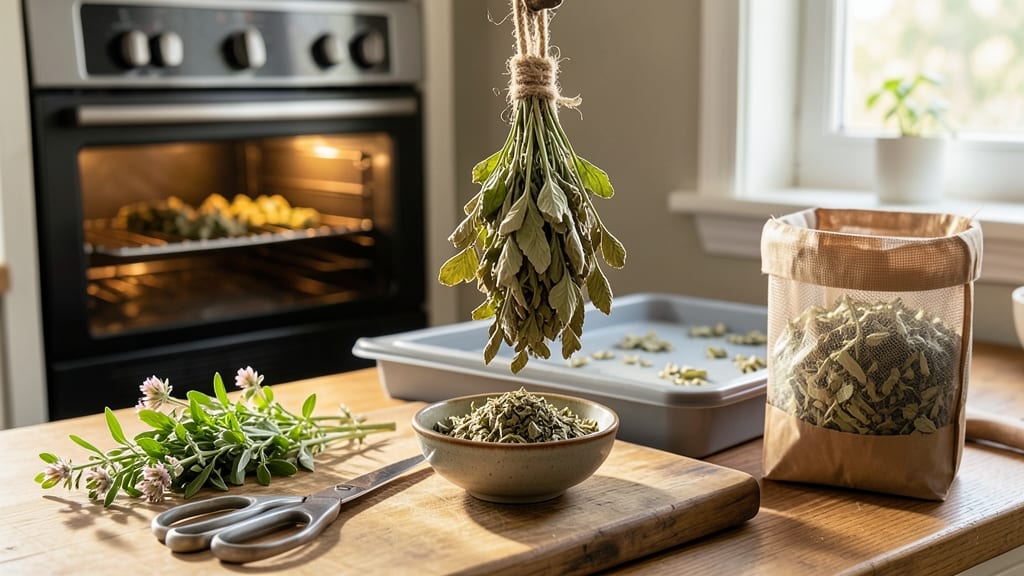
How to dry out oregano leaves so your summer harvest lasts all year—here’s the secret. ✨ The process starts with picking leaves at the right moment—just as they're fully open but before they flower—and drying them properly. You'll end up with fragrant, vibrant oregano that keeps its potency for months. Whether you use air-drying bundles, a low oven, or a dehydrator, the process takes just 3-5 days and preserves the flavor better than store-bought dried herbs ever could. No more bland seasoning—just intense, aromatic oregano ready for winter cooking. The key is patience and proper storage in airtight containers away from light, so every pinch delivers that fresh-grown taste.
📚 In This Guide
- What you need
- Instructions
- Tips and common mistakes
- Wrapping up and next steps
What you need
- ● Fresh oregano leaves: 1–2 cups (loosely packed), harvested at peak freshness (just before flowering).
- ● Clean kitchen scissors or pruning shears: For snipping stems without crushing leaves.
- ● Paper towels or clean kitchen cloths: To gently blot excess moisture from leaves.
- ● Drying surface: Option 1 (Sun-Drying): A clean, shade cloth or breathable fabric (like muslin or cheesecloth) or a wire mesh screen (¼-inch mesh).
- ● Option 2 (Air-Drying): A cool, dark, well-ventilated space (e.g., a pantry with a rack or a hanging basket).
- ● Storage containers: Air-tight jars or containers: Glass mason jars (4–8 oz) or food-grade plastic containers with tight seals.
- ○ Desiccant packets (optional but recommended): 1–2 per jar to absorb moisture and extend shelf life.
- ● Dehydrator: Set to 95°F–115°F (35°C–46°C) for even drying (if sun/air-drying isn’t an option).
- ● Oven (for backup): Preheat to lowest setting (170°F/77°C) with the door slightly open.
- ● Food processor or mortar & pestle: For crushing dried leaves into flakes or powder.
- ● Labeling supplies: Masking tape + marker to label jars with the date and "oregano."
- ○ Humidity monitor: A hygrometer (optional) to check if your drying space is too damp (<30% humidity ideal).
Step-by-step instructions for drying oregano leaves
Preserving oregano this way locks in its bold flavor for months—here’s how to do it right.
🌿 Step 1: Harvest at Peak Freshness
Pick oregano stems on a dry morning after the dew has evaporated. Look for stems with fully opened flowers—this ensures maximum oil content, which carries the flavor. Use clean, sharp scissors to snip just above a leaf node; this encourages bushier regrowth. Avoid harvesting after rain, as moisture speeds up spoilage and dulls the flavor.
Bundle the stems into small 3-4 inch clusters (like a tiny bouquet) and tie them loosely with a rubber band or twine. Hang them upside-down in a warm, dry spot with good airflow—like a kitchen cabinet or a sunny porch. The goal is to dry the leaves slowly; if you rush it, they’ll lose their vibrant color and aromatic oils.
☀️ Step 2: Choose Your Drying Method
For the classic sun-dried method, place the bundles in a location with bright, indirect sunlight—direct sun can scorch the leaves. A covered porch or a spot under a sheer curtain works well. It typically takes 1-2 weeks until the leaves crumble easily between your fingers. Watch for brown stems and dry, papery leaves—these are your cues.
If you prefer indoor drying, spread the stems on a wire rack or clean paper towels in a warm, dry area with a small fan circulating air. This prevents mold and speeds up the process to about 5-7 days. Avoid using a dehydrator unless you’re drying a large batch, as it can over-dry the leaves and strip their oils.
⏰ Step 3: Test for Complete Dryness
After 1 week, gently rub a leaf between your fingers. If it crumbles into fine, dry fragments without resistance, it’s ready. If it still feels slightly pliable or snaps instead of crumbling, give it another 2-3 days. Overlooking this step leads to moldy oregano—trust your touch, not just the time.
Once fully dry, remove the leaves from the stems by rubbing them between your palms or gently pulling. Discard any stems or leaves that show signs of discoloration or mold. Store the dried leaves in an airtight glass jar away from light and heat. Properly dried oregano keeps its flavor for up to 1 year.
🌱 Step 4: Store for Long-Term Flavor Preservation
Label your jar with the date and variety of oregano. Keep it in a cool, dark pantry—never the fridge, as moisture buildup can ruin the leaves. If stored correctly, the aroma should still be strong when you open the jar months later. For even longer shelf life, freeze the dried leaves in ice cube trays with a little olive oil, then transfer to a freezer bag.
Here’s the thing—freshly dried oregano loses potency over time, so use it within 6-8 months for the best flavor. If the leaves lose their vibrant green color or smell musty, it’s time to replace them. The effort pays off when you sprinkle it over pasta, pizza, or roasted veggies—nothing beats home-dried oregano for that authentic Mediterranean kick.
Tips & tricks for perfect oregano drying
Here's what nobody tells you about preserving oregano that'll make all the difference in flavor and shelf life.
Harvesting Timing: The morning after a dry night is ideal for harvesting—this ensures dew has evaporated but humidity hasn't built back up. I've learned this the hard way after harvesting damp leaves that turned moldy during drying. For best flavor, harvest when flowers are just starting to open; this is when the essential oils are most concentrated. If you must harvest after rain, wait until stems are completely dry to the touch.
Bundle Size Matters: Those 3-4 inch clusters aren't arbitrary—they create the perfect airflow balance. Larger bundles dry unevenly, while smaller ones lose too much moisture too quickly. For consistent drying, use rubber bands that won't leave marks on the stems. I've found that tying stems in groups of 5-7 smaller stems (about 3-4 inches each) gives the best results across different humidity levels.
Drying Environment Secrets: The key to successful drying is maintaining 40-50% humidity and temperatures between 70-80°F. If your kitchen feels muggy, place a small fan nearby to circulate air without creating drafts. For sun drying, position bundles where they'll receive morning sun and afternoon shade—this prevents scorching while still capturing UV benefits. I've had great success using a simple kitchen window with sheer curtains for indirect light.
Storage Wisdom: The glass jar isn't just about keeping light out—it's about creating an oxygen barrier. After drying, let leaves cool completely before storing to prevent condensation. For even longer preservation, crush dried leaves slightly before storing; this releases essential oils that protect against oxidation. I've found that adding a bay leaf to the jar enhances flavor stability over time.
Pro Tips for Dry Out Oregano Leaves
- Here's what nobody tells you about preserving oregano that'll make all the difference in flavor and shelf life.
- Harvesting Timing: The morning after a dry night is ideal for harvesting—this ensures dew has evaporated but humidity hasn't built back up.
- Bundle Size Matters: Those 3-4 inch clusters aren't arbitrary—they create the perfect airflow balance.
Frequently asked questions
Got questions about drying oregano? You’re not alone!
Here are answers to the most common queries—from timing to troubleshooting—to help you master sun-dried oregano like a pro.
How long does it take to dry oregano leaves?
Drying time depends on your method. Sun-drying takes 1–3 weeks (depending on humidity and sunlight), while oven-drying or dehydrator-drying takes 2–6 hours at low heat (95–115°F). Test for readiness by crumbling leaves—if they’re brittle and fragrant, they’re done!
Can I dry oregano in direct sunlight?
Yes, but with caution! Direct sunlight can overheat leaves, causing them to lose flavor or turn bitter. Instead, place them in indirect light (like a mesh bag on a shaded porch) or under a ventilated roof. If humidity is high, drying may take longer—patience is key!
What if my oregano gets moldy before drying?
Mold is a sign of high humidity or poor airflow. If you spot mold, discard the batch immediately—it’s unsafe to eat. To prevent this, harvest leaves when dry, avoid washing them (pat dry gently), and ensure your drying setup is well-ventilated. A fan on low can help speed up drying!
Can I use dried oregano in place of fresh?
Dried oregano is more concentrated than fresh, so use 1/3 the amount in recipes. For example, if a dish calls for 1 tbsp fresh oregano, use 1 tsp dried. Toast dried oregano in oil for 30 seconds to boost flavor before adding to dishes.
How should I store dried oregano to keep it fresh?
Store dried oregano in airtight containers (glass jars or vacuum-sealed bags) in a cool, dark place (like a pantry). Avoid the fridge—moisture is the enemy! Properly stored, it stays flavorful for 6–12 months. Label your containers with the date to track freshness.
Wrapping up and next steps
Drying oregano leaves at home is a simple yet rewarding way to preserve their vibrant flavor and medicinal benefits—no fancy equipment required! Whether you opt for sun-drying or oven/dehydrator methods, the key is patience and proper storage.
Once dried, your aromatic stash will elevate dishes from pasta to grilled meats for months to come.
Now that you’re equipped with the know-how, give it a try! Start with a small batch, experiment with techniques, and soon you’ll be the go-to chef for homemade dried herbs. Happy drying—and happy cooking! 🌿✨