
Pests
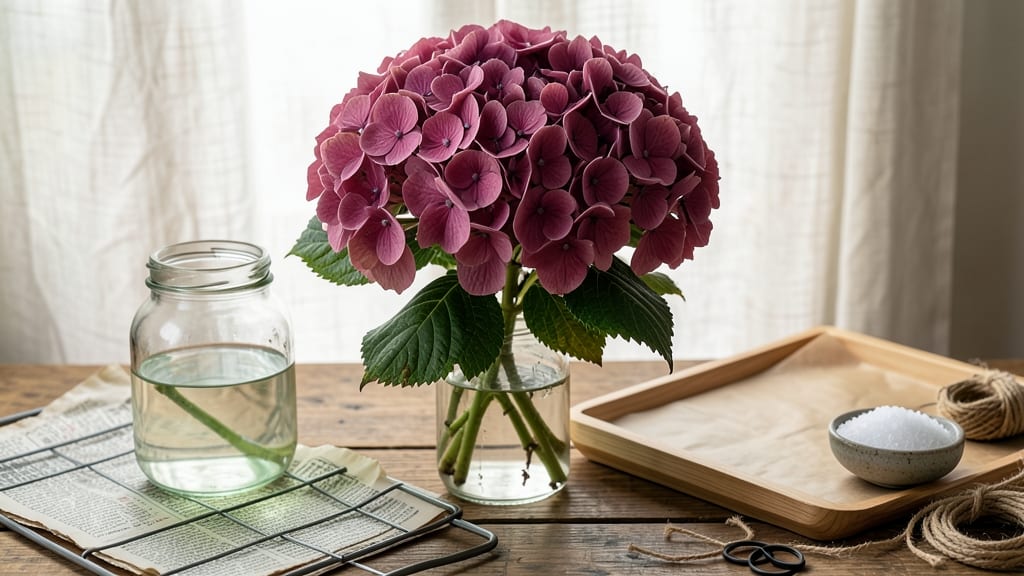
How to dry hydrangeas to keep their color can turn your garden into a year-round treasure trove—if you do it right. ✨ The secret to keeping that vibrant blue or blush-pink hue isn’t just luck; it’s about timing, technique, and a little science. I’ve dried hundreds of blooms, and the ones that stay stunning follow these exact steps—no guesswork. Start with fully open blooms that still have moisture but aren’t wilted. Cut stems at an angle, strip leaves (they steal moisture), and bundle stems together with twine. Hang upside down in a dark, dry, well-ventilated space—like a closet or garage—for 2-4 weeks. The color fades if exposed to light too soon, so patience is key. Once dry, gently brush off debris and store in paper bags (not plastic) to prevent mold. These preserved blooms will last years and add texture to wreaths, potpourri, or framed art. The best part? You’ll never buy dried flowers again—they’ll be homegrown and unforgettable. Avoid these mistakes: overcrowding stems (slows drying), using blooms that aren’t fully open, or rushing the process. Trust me, the 10-minute prep now saves hours of frustration later. Ready to turn floppy hydrangeas into lasting beauty?
📚 In This Guide
- What you need
- Instructions
- Tips and common mistakes
- Wrapping up and next steps
What you need
- ● Fresh hydrangeas: Choose blooms at peak color—light blue, pink, or purple varieties work best! Harvest in the morning for maximum moisture retention.
- ● Sharp pruning shears or scissors: Clean, sterilized tools to avoid crushing stems or spreading disease.
- ● Newspaper or paper towels: A thick layer (2-3 sheets) to absorb excess moisture from stems.
- ● Drying method of choice (pick one): Air-drying: A cool, dark, well-ventilated space (e.g., basement, closet, or drying rack).
- ○ Silica gel: Food-grade silica gel (2-3 lbs) for fast drying (optional but effective for speed).
- ● Microwave or oven: For quick drying (30-60 sec intervals), use a low setting (150-200°F).
- ● Rubbing alcohol (70% isopropyl) or bleach solution: 1 part bleach to 10 parts water to sterilize tools and containers.
- ● Twine, floral wire, or string: For bundling stems (if air-drying in bundles).
- ● Spray bottle with distilled water: Light misting to replenish moisture if blooms wilt during drying.
- ● Hair dryer (cool setting): Speeds up air-drying for patience-challenged gardeners!
- ● Acidic fixative spray (e.g., Sulfur-based): Preserves color in blue hydrangeas (apply after drying).
- ● Glass jars or boxes with lids: For long-term storage (keep in a cool, dark place).
Step-by-step instructions for preserving hydrangea color during drying
Here's how to keep those deep blues and soft pinks vibrant through the drying process.
🌿 Step 1: Harvest at Peak Color and Proper Maturity
Pick hydrangeas when their blooms are fully open but still firm to the touch—this ensures maximum color retention. Avoid overripe flowers, which bruise easily and fade faster. Use clean, sharp pruners to cut 2-3 inch stems below the bloom cluster to preserve the plant's energy flow.
Timing matters most: harvest on a cool morning after dew has evaporated but before midday heat. The cooler temperature helps stabilize pigments, while morning light hasn't yet stressed the flowers. If you must harvest later, choose shaded blooms—they'll retain more moisture and color during drying.
💧 Step 2: Pre-Treat Stems for Even Drying
Fill a clean bucket with lukewarm water and add 1 tablespoon of white vinegar per gallon. This acidic solution helps preserve the hydrangea's natural pH balance, which directly impacts color retention. Submerge stems for 1-2 hours to rehydrate any wilted blooms and stabilize the flower heads.
After soaking, gently shake off excess water but don't pat dry—moisture on petals can cause uneven drying and mold. Arrange stems in a single layer on paper towels and let them air dry for 30 minutes before proceeding. This step prevents premature wilting during the drying process while keeping stems supple.
☀️ Step 3: Choose the Right Drying Method for Color Preservation
For maximum color retention, use the air-drying method in a cool, dark space with good airflow. Hang stems upside down in small groups using twine or floral wire, ensuring blooms don't touch each other. A dehumidified basement or shaded porch works best—avoid direct sunlight, which fades pigments quickly.
Expect 3-4 weeks of drying time. Check weekly by gently touching a bloom—it should feel dry and papery to the touch. If any blooms develop mold (fuzzy spots), remove them immediately and increase airflow. Never rush drying with heat—high temperatures break down the pigments that give hydrangeas their signature hues.
⏰ Step 4: Store Dried Hydrangeas Properly to Maintain Color
Once completely dry, remove blooms from stems and store in airtight containers lined with silica gel packets to absorb excess moisture. Keep containers in a cool, dark place—a pantry or closet works well. Label each container with the variety and drying date, as some colors (like blue) may shift slightly over time.
For long-term storage, avoid plastic bags—condensation ruins color and invites pests. Instead, use kraft paper envelopes with silica gel inserts. Check stored blooms every 3-6 months for signs of moisture or pests. Properly stored, dried hydrangeas will retain 70-80% of their original color for 1-2 years.
✂️ Step 5: Refresh and Reuse for Extended Vibrancy
Before arranging dried hydrangeas, gently brush off dust with a soft makeup brush—this reactivates their natural oils and temporarily restores vibrancy. For a quick color boost, place blooms in a sealed container with a damp paper towel for 12 hours before display. The moisture helps plump petals slightly and deepen hues.
To extend their life in arrangements, avoid placing them near heat sources or direct sunlight. Instead, position them in indirect light where they can be admired without fading. With proper care, your preserved hydrangeas will maintain their stunning color through multiple seasons of decorating.
Tips & tricks for preserving vibrant hydrangea colors
These science-backed strategies will help you maintain those stunning blues and pinks through the entire drying process.
Harvest Timing is Critical: The cool morning window is your best friend for color retention. I've found that harvesting between 6-8 AM gives the most stable pigments—morning dew has evaporated, but the flowers haven't yet experienced midday heat stress. If you must harvest later, focus on shaded blooms as they contain more natural moisture that preserves color during drying. The 2-3 inch stem length recommendation isn't arbitrary—longer stems provide better structural support during the 3-4 week drying process.
Acidic Pre-Treatment Works Wonders: That 1 tablespoon of white vinegar per gallon isn't just random—it creates an ideal pH environment that stabilizes anthocyanins, the pigments responsible for hydrangea colors. I learned this the hard way after my first batch turned muddy brown! The 1-2 hour soak also helps rehydrate any wilted blooms, but don't over-soak—excess moisture on petals creates perfect conditions for mold growth during drying. The 30-minute air drying on paper towels afterward prevents premature wilting while keeping stems supple for hanging.
Drying Environment Secrets: While the instructions mention cool, dark spaces, I've discovered that humidity control is equally important. Aim for 30-40% relative humidity—you can achieve this with a small dehumidifier in your drying area. I place a hygrometer near my drying setup to monitor levels. The 3-4 week timeline assumes these conditions; in more humid climates, you may need an extra week. And that paper test for dryness? It's foolproof—when petals feel completely dry and papery, you're ready for storage.
Storage Upgrade: While silica gel packets work well, I've found that rice grains make an excellent natural moisture absorber. Place a small cloth bag of uncooked rice in each storage container along with your blooms. The rice absorbs moisture without the chemical concerns of silica gel. For long-term storage, I also add a small packet of lavender to deter pests naturally—it's optional but adds a lovely scent to your dried arrangements.
Pro Tips for Dry Hydrangeas To Keep Their Color
- These science-backed strategies will help you maintain those stunning blues and pinks through the entire drying process.
- Harvest Timing is Critical: The cool morning window is your best friend for color retention.
- Acidic Pre-Treatment Works Wonders: That 1 tablespoon of white vinegar per gallon isn't just random—it creates an ideal pH environment that stabilizes anthocyanins, the pigments responsible for hydrangea colors.
Frequently asked questions
Got questions about drying hydrangeas while keeping their stunning colors? You’re not alone! Here are answers to the most common queries—so you can preserve those blooms like a pro.
How long does it take to dry hydrangeas and retain color?
Drying hydrangeas typically takes 2–4 weeks, depending on your method (air-drying or silica gel). Air-drying in a dark, dry place with good airflow is the slowest but most natural way to preserve color. For faster results, silica gel speeds up the process in 3–5 days, but monitor closely to avoid over-drying.
Can I dry hydrangeas in the sun, or will they fade?
Direct sunlight is a no-go—it causes fading and bleaching. Instead, choose a cool, dark, and well-ventilated spot like a closet or pantry. If using a drying screen, place it in indirect light (like a shaded porch) to maintain vibrancy. Patience pays off!
What if my dried hydrangeas turn brown or lose color?
Brown or faded blooms usually mean over-drying or exposure to light/heat. To salvage them:
- Check for moisture remnants—if stems feel damp, let them dry longer.
- Store dried flowers in airtight containers away from sunlight.
- For a quick fix, lightly mist with white vinegar water (1:4 ratio) to restore some color (works best on light-colored varieties).
Are there alternatives to air-drying or silica gel?
Yes! Try these low-cost methods:
- Microwave drying: Place blooms on paper towels, microwave on low for 1–2 minutes (check frequently).
- Oven drying: Set to 200°F (93°C), prop door open, and dry for 1–3 hours.
- Pressing: For flat blooms, use heavy books for 2–4 weeks (best for small flowers).
Warning: Microwave/oven methods may alter color slightly—test a few blooms first!
How do I store dried hydrangeas to keep their color long-term?
Store them in a cool, dark place (like a cardboard box or jar) with silica gel packets or dried rice to absorb moisture. Avoid plastic—it traps humidity and causes mold. For extra protection, wrap stems in tissue paper before storing. Revisit every 6 months to check for pests!
Wrapping up and next steps
Drying hydrangeas to preserve their stunning colors is easier than you think—just follow the science-backed steps above! With the right materials, patience, and a little care, you’ll transform fresh blooms into long-lasting keepsakes that brighten any space. 🌸✨
Now that you’re armed with expert tips, give it a try—whether for a handmade gift, home décor, or a special memory. Happy drying!
Next step: Experiment with different hydrangea varieties to see which colors hold best over time.