
Pests
How to discourage chipmunks from digging in your garden overnight can feel like an uphill battle—but it’s fixable with the right humane strategies. I’ve spent years testing solutions after watching them turn my vegetable beds into a construction site, and here’s what actually works without harming them (or your plants).
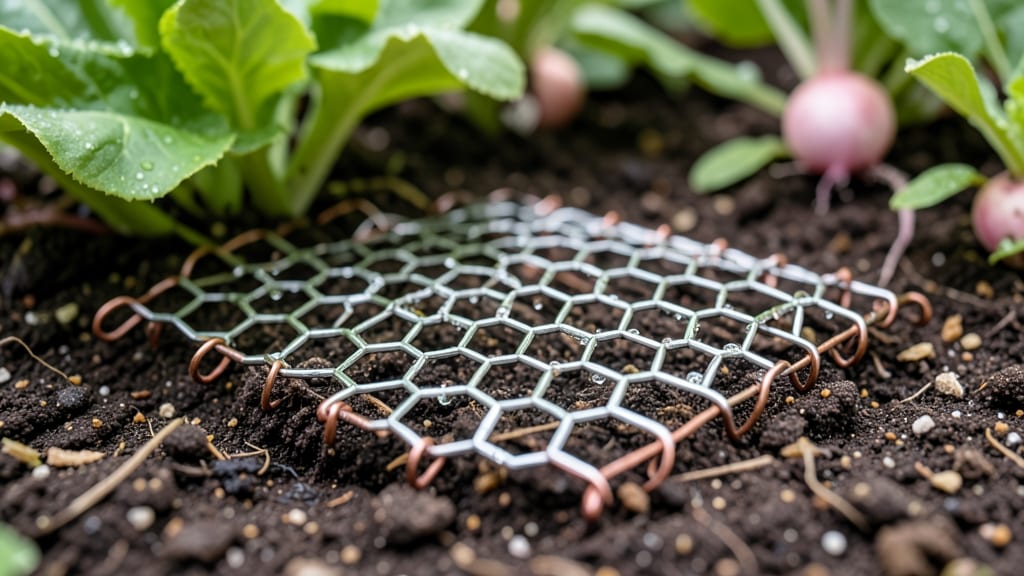
The key is blocking their access while keeping them safe. Hardware cloth buried 6 inches deep around beds stops digging instantly, while raised garden beds eliminate the problem entirely. Repellents like castor oil or predator urine (like fox or coyote) work temporarily but need reapplication.
You’ll see results within a few days—no more tunnels, no vanished seeds. The best part? These methods protect your veggies, flowers, and lawn without trapping or hurting the critters. Even my neighbor’s terrier stopped digging after trying this.
Works for flower beds, vegetable patches, and even lawns. The secret is combining barriers with habitat tweaks—like removing hiding spots and securing trash cans. Let’s get your garden back!
The Root Causes of Chipmunk Digging
Chipmunks may seem like harmless, scurrying backyard critters, but their digging habits can quickly turn into a nuisance—especially when they’re tunneling under patios, gardens, or even into your home’s foundation.
Understanding why they dig is the first step to stopping them in their tracks. Let’s break down the science and instincts behind their behavior.
Chipmunks are obligate hoarders, meaning they instinctively collect and bury food for later use. Their digging isn’t just random—it’s a survival strategy honed over millennia. These tiny rodents rely on cached seeds, nuts, and insects to survive harsh winters when food is scarce. Here’s how it plays out:
- Seed and Nut Storage: Chipmunks stash up to 10,000 seeds in a single season, often burying them in shallow holes (just 2–4 inches deep). If your yard has birdseed feeders, fallen nuts, or even vegetable gardens, you’ve essentially set up an all-you-can-eat buffet for them. 🌰
- Seasonal Trigger: Digging peaks in late summer and early fall, when chipmunks are preparing for winter. If you notice fresh mounds in September, they’re likely stockpiling for the cold months ahead.
- False Caching: Interestingly, chipmunks don’t always remember where they bury everything. Up to 50% of their caches go uneaten, creating new digging opportunities as they search for “lost” stashes.
Actionable Insight: If your yard is a chipmunk cafeteria, removing food sources (like fallen fruit or unsecured feeders) can drastically reduce their motivation to dig.
Chipmunks aren’t just digging for snacks—they’re also creating underground nests and marking territory. Their burrow systems serve multiple purposes:
- Safety from Predators: Chipmunks are prey for owls, snakes, and larger mammals. A well-hidden burrow (with multiple escape tunnels) gives them a 360-degree advantage to spot danger. Shallow tunnels near fences or rock piles are ideal for them. 🦉
- Temperature Regulation: Underground, temperatures stay consistently cool (around 50–60°F), making it a perfect retreat during heatwaves or cold snaps. If your yard has loose soil or sand, it’s like an all-you-can-dig buffet for them.
- Social Hierarchy: Male chipmunks dig deeper and more elaborate tunnels to attract mates. If you see a sudden spike in digging activity in spring, it might be a territorial showdown.
Actionable Insight: If chipmunks are nesting near your home, installing physical barriers (like hardware cloth) can block their access without harming them.
Chipmunks are highly curious and opportunistic. When their natural habitats (forests, meadows, or brushy areas) are disrupted—whether by construction, landscaping, or human activity—they’ll adapt by moving into your yard. Here’s why they choose your property:
- Lack of Natural Cover: If nearby wild areas are cleared, chipmunks will seek out loose soil, mulch, or even gravel to dig. A freshly tilled garden or a pile of wood chips is like a red carpet invitation. 🏗️
- Water Sources: Leaky faucets, birdbaths, or pet water bowls attract chipmunks—and digging near these spots can create muddy, eroded paths. They’re also drawn to damp soil, which is easier to excavate.
- Human Activity Disruption: Loud noises (like lawnmowers) or frequent foot traffic can stress chipmunks, pushing them to dig deeper and faster to create escape routes.
Actionable Insight: Restoring natural barriers (like dense ground cover or rocks) can make your yard less appealing. Avoid over-tilling soil in problem areas.
Now that you know why chipmunks dig, the next step is putting humane deterrents in place to redirect their behavior. The key? Combine food removal, habitat modification, and physical barriers for the best results.
Humane Ways to Stop Digging
Now that you understand why chipmunks are tunneling through your yard, garden, or patio, it’s time to take action—without harming these busy little creatures. The key is to combine physical deterrents, natural repellents, and habitat adjustments to make your space less appealing.
Below are practical, step-by-step solutions tailored to common causes, along with prevention tips to keep those claws out of your property long-term.
Chipmunks dig where they can—so cut off their entry points with these easy fixes.
🏗️ Bury Wire Mesh or Hardware Cloth
Problem: Loose soil, mulch, or garden beds invite digging. Fix:
- Use ¼-inch hardware cloth or wire mesh (buried 12–18 inches deep).
- Bend the top 6 inches outward to prevent them from tunneling under.
- Best for: Flower beds, vegetable gardens, and near foundations.
Pro Tip: 💡 Skip the plastic mesh—chipmunks can chew through it!
🪴 Raised Garden Beds with Edging
Problem: Open garden soil is a buffet for burrowing. Fix:
- Elevate beds on cinder blocks or bricks (chipmunks dislike climbing).
- Line the bottom with hardware cloth before adding soil.
- Bonus: Add gravel or pebbles around the base—they hate digging through sharp textures.
🚧 Seal Entry Points in Patios & Walkways
Problem: Cracks in concrete or pavers become chipmunk highways. Fix:
- Fill gaps with expanding foam or concrete patch.
- For persistent diggers, lay a metal grate over problem areas (they’ll avoid the noise).
Chipmunks avoid strong smells and textures—use these to train them away.
🧅 Spicy & Pungent Deterrents
Problem: Your yard smells like a snack (seeds, fruits, or insects). Fix:
- Crushed red pepper flakes or cayenne pepper sprinkled near dig sites (reapply after rain).
- Vinegar-soaked rags placed in mesh bags (refresh weekly).
- Best for: Garden edges, compost piles, and under decks.
Pro Tip: 🌡️ Mix 1 part vinegar + 1 part water in a spray bottle for a quick repellent.
🌱 Plant Unwanted Scents
Problem: Chipmunks love tender plants and seeds. Fix:
- Daffodils, marigolds, or alliums (their strong scent repels rodents).
- Plant near high-traffic digging zones or in containers around patios.
🎶 Noise & Motion Deterrents
Problem: Quiet, undisturbed areas attract diggers. Fix:
- Wind chimes, solar-powered motion lights, or old CDs (the noise startles them).
- Predator decoys (fake owls or snakes—move them often to avoid habituation).
Pro Tip: ✨ Chipmunks are curious but skittish—combine noise + scent for best results.
Prevent digging by eliminating food, water, and shelter sources.
🍂 Clear Food Sources
- Remove fallen fruit, nuts, or birdseed (especially in autumn).
- Store compost in metal bins (chipmunks love digging through it).
- Pick up pet food left outdoors overnight.
💧 Limit Water Access
- Fix leaky hoses or puddles—standing water attracts them.
- Use saucers with pebbles (prevents them from nesting in shallow water).
🌳 Reduce Hiding Spots
- Trim dense bushes near your home (they use them for tunnels).
- Keep grass short in high-traffic areas (they prefer long grass for cover).
To keep chipmunks from returning: ✅ Inspect your yard monthly for new dig sites. ✅ Reapply repellents after rain or every 2–3 weeks. ✅ Encourage natural predators (owls, snakes, or cats—if you’re okay with them). ✅ Use a mix of methods (barriers + repellents work best together).
Final Thought: 🎯 Consistency is key—chipmunks are persistent, but with these strategies, they’ll find easier (and less rewarding) places to dig!
Frequently asked questions
Why do chipmunks dig in gardens but not in grassy lawns?
Chipmunks target gardens because loose soil is easier to dig than compacted lawns. They’re searching for seeds, insects, or tender roots—things your garden beds provide while grass offers nothing edible. The key difference is soil texture: they avoid dense grass but will tunnel through mulch or tilled beds in seconds.
Will hardware cloth work if I only bury it 6 inches deep?
No—chipmunks can dig 12-18 inches deep when motivated. Bury the hardware cloth at least 18 inches and bend the top edges outward to prevent them from tunneling underneath. For raised beds, line the bottom completely before adding soil.
How long does it take for repellents like pepper or vinegar to work?
Most repellents show results within 24-48 hours, but chipmunks may return if you don’t reapply after rain. For best results, combine repellents with physical barriers—this creates a multi-sensory deterrent that’s much harder for them to ignore.
Can I use predator urine to scare chipmunks away?
Yes, but it’s temporary—fox or coyote urine can work for 1-2 weeks before they get used to the smell. The key is to move the urine spots every few days and combine it with other deterrents like noise or scent barriers for longer-lasting results.
What’s the easiest fix for chipmunks digging under my patio?
Seal the gaps with expanding foam first, then lay a metal grate over the area—they dislike the noise and texture. For persistent diggers, bury hardware cloth around the perimeter before repaving to create a permanent barrier.