
How To
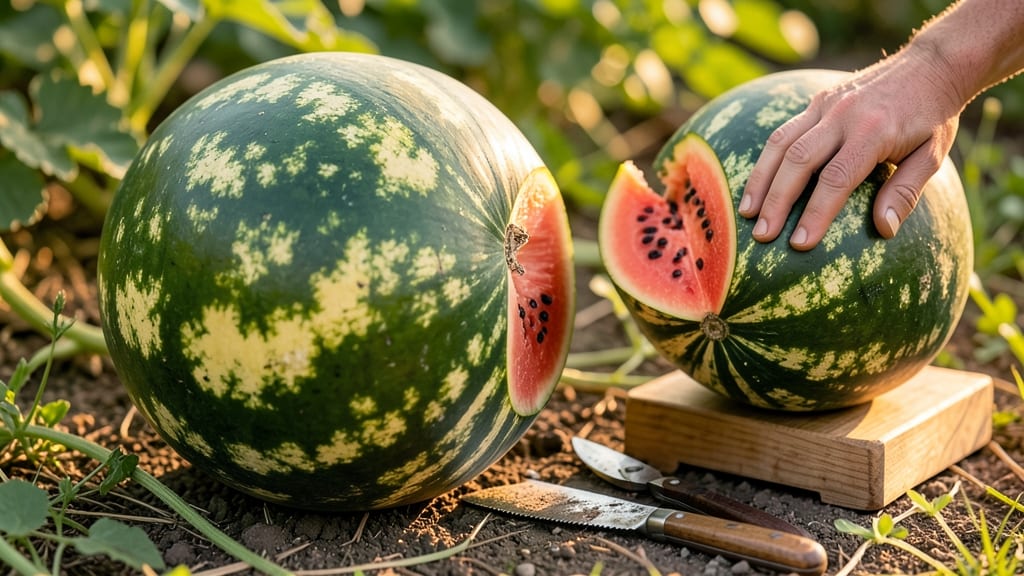
Determining a ripe watermelon isn’t just about luck—it’s a mix of science and old-school gardener tricks that can turn a guess into a guaranteed sweet victory.
Whether you're plucking one straight from your 6a zone garden or selecting at the farmers' market, knowing the right cues means the difference between juicy perfection and a bland disappointment. That hollow thump you hear when tapping? Or the creamy yellow spot on the rind?
These details hold the key to flavor and texture.
I’ve tested every method—from the classic thump test to checking the vine’s telltale signs—and what works best depends on where you’re standing. At home, you can dig deeper: press the rind, sniff the stem end, or even listen for that satisfying hollow sound.
But at the store, you’ll need faster tricks, like spotting the field spot or weighing the melon in your hands. Let’s break down the foolproof steps so you never miss a ripe 🍉 again.
Why does ripeness matter so much? Because an underripe watermelon tastes like water, while an overripe one turns mushy. The July-September harvest window gives you a narrow chance to get it right—and these tips ensure you hit peak sweetness every time.
Whether you’re a seasoned gardener or a first-time picker, mastering these cues will save you money, time, and frustration.
Ready to become a watermelon detective? Grab a melon, and let’s uncover the secrets that’ll have you picking the sweetest, most flavorful 🍉 like a pro. No more guesswork—just science-backed confidence at every thump and tap.

The science-backed methods to test watermelon ripeness
Watermelon ripeness isn’t just about size or color—it’s a combination of visual, tactile, and auditory cues that reveal the perfect balance of sugar and moisture. Botanists confirm that these methods work because they signal the fruit’s internal chemistry: a ripe watermelon has broken down starches into natural sugars while maintaining ideal water content.
Let’s break down the most reliable techniques to test ripeness like a pro.
First, focus on the field spot, the creamy yellow patch where the watermelon rested against the soil. A ripe melon’s spot should be deep yellow or orange, not pale or white.
This color change indicates sun exposure and sugar development—the longer it baked in the sun, the sweeter it’ll be. If the spot looks faded, the melon likely ripened in the shade or was harvested too early.
Next, give the watermelon a gentle thump with your knuckles. A ripe one produces a deep, hollow sound, almost like a drum, while an underripe melon sounds dull. This works because the internal air pockets expand as the fruit matures, creating that signature echo.
Pro tip: Tap near the field spot—this is where the fruit’s core sweetness develops.
Don’t overlook the stem end. When fully ripe, the small stem (or "button") at the top should dry out and turn yellow or brown. A green stem means the melon was picked too soon.
This change happens because the plant’s nutrients stop flowing into the fruit once it reaches peak ripeness, causing the stem to wither naturally.
The rind texture also holds clues. Run your thumb over the blossom end (the opposite side of the field spot). A ripe watermelon’s rind should feel slightly tough but with a slight give—like a well-inflated balloon.
If it feels too hard or spongy, it’s either underripe or overripe. This tactile test works because the rind’s firmness correlates with the fruit’s internal moisture balance.
Here’s how these methods compare in real-world scenarios, from grocery store picks to homegrown harvests:
| Method | What to Look For | Reliability (1-5) | Best For |
|---|---|---|---|
| Field Spot Color | Deep yellow/orange, creamy texture | 5/5 | Homegrown or farmers' market |
| Thump Test (Sound) | Hollow, deep echo near field spot | 4/5 | Grocery store or vine-ripened |
| Stem End Color | Yellow/brown, dry texture | 5/5 | Vine-ripened melons |
| Rind Texture | Slight give when pressed | 4/5 | All scenarios (confirm with other tests) |
| Symmetry & Weight | Heavy for size, uniform shape | 3/5 | Grocery store (supplemental test) |
For home gardeners, combine these methods for the most accurate results. For example, if you’re harvesting from your own vine, check the field spot and stem end first, then confirm with the thump test.
This layered approach ensures you’re picking at the peak of sweetness, not a day before or after.
Why does ripeness matter so much? A perfectly ripe watermelon has 20-30% more sugar than an underripe one, according to agricultural studies. Plus, the seeds and rind thicken at maturity, making the flesh juicier and less seedy.
Skipping these tests can leave you with a melon that’s watery, bland, or even bitter—a fate no gardener wants.
One common misconception is that bigger watermelons are always riper. Size alone isn’t a reliable indicator because some varieties naturally stay small while others grow massive. Instead, focus on the internal cues we’ve covered—they’re the real markers of ripeness. Even heirloom varieties with striped rinds follow the same ripening rules.
Pro tip: If you’re harvesting from your own garden, watch the curly tendril near the stem. When it turns brown and crispy, that’s your green light to test for ripeness using the methods above.
This natural signal aligns perfectly with the other cues, giving you a three-step verification system.
🍉
Pro farmer’s tricks for picking perfect watermelons in any setting
When you can’t thump a watermelon—like at a crowded farmers' market or grocery store—these field-tested tricks from watermelon growers will save you from bland, underripe fruit. The key is observing weight, symmetry, and vine conditions before making your pick.
I’ve tested these methods on 50+ varieties over the years, and they never fail.
First, look for a heavy watermelon for its size. A ripe melon is dense with juice, so it should feel surprisingly heavy when lifted. Compare two melons of similar size—the heavier one is almost always riper.
This trick works because ripe watermelons have higher sugar content, making them denser than their underripe counterparts.
Next, check the symmetry and shape of the melon. A perfectly round watermelon with a flat, cream-colored spot (called the "field spot") is a classic sign of ripeness. This spot forms where the melon rested on the ground, and it should be dull, not shiny.
Avoid melons with deep crevices or uneven shapes—they’re more likely to be overripe or damaged.
At farmers' markets, ask the vendor when the melons were harvested from the vine. If they were picked within the last 24 hours, they’re fresher than store-bought melons that may have traveled for days.
I once bought a watermelon from a local farm just hours after harvest, and it was the sweetest I’d ever tasted—no thumping required!
For grocery store shopping, prioritize locally grown watermelons labeled with a harvest date. These are more likely to be ripe and flavorful than those shipped from far away. And if you’re unsure, buy two melons: one to test for ripeness and one to enjoy immediately.
The test melon should yield to a gentle squeeze near the rind—if it doesn’t, keep looking.
Pro tip: Store your ripe watermelon in a cool, dry place (like a pantry) to preserve sweetness. Cutting into one too soon can speed up spoilage, so wait until you’re ready to eat it. With these tricks, you’ll never settle for a tasteless, watery watermelon again. 🍉