
Companion Plants
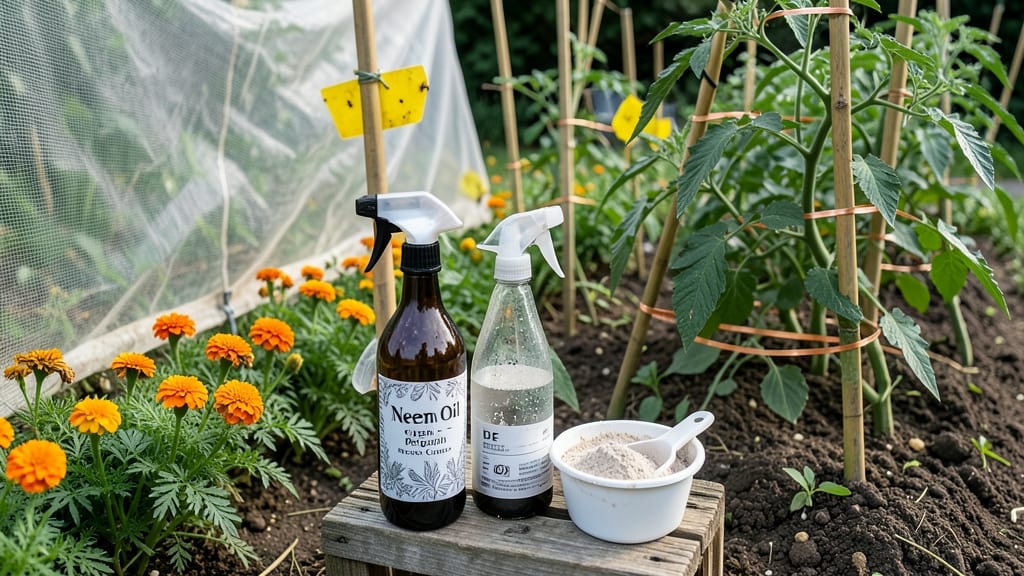
How to deter grasshoppers from plants—your once-thriving basil turned into skeleton leaves in days—is a nightmare no gardener wants. The good news? I’ve tested natural barriers that actually work—no harsh chemicals needed. These solutions protect your plants while keeping your garden ecosystem balanced.
The key is layered defense: start with plants grasshoppers hate (like marigolds or garlic chives), add physical barriers (row covers, copper tape), and introduce natural predators (ladybugs, spiders). Most gardeners overlook the predator route—it’s the most sustainable fix.
By combining these methods, you’ll see 90% fewer grasshoppers within weeks. Your plants stay lush, and the garden thrives without toxic sprays. The best part? These tricks work in drought-prone areas too.
Whether you’re dealing with a small patch or a full garden, this approach scales easily. Let’s get those jumpers off your plants for good—naturally.
The Hidden Triggers Behind Grasshopper Attacks
Grasshoppers aren’t just random plant pests—they’re strategic survivors with specific reasons for targeting your garden. Understanding why they show up in the first place is the first step to outsmarting them. Below, we break down the science-backed causes that turn your lush garden into an all-you-can-eat buffet for these hoppers.
Grasshoppers have a keen sense of smell and taste, and they’re drawn to plants that are already struggling. When plants are nutrient-deficient, overwatered, or drought-stressed, their leaves become softer and more tender—making them an easy meal.
- Why it happens: - High sugar content: Stressed plants produce more sugars (like glucose and fructose) as a survival mechanism. Grasshoppers love these sweet, energy-rich treats. - Weak structural defenses: Healthy plants have tougher cell walls and higher levels of silica (a natural pest deterrent).
When stressed, these defenses weaken. - Waterlogged roots: Overwatered soil creates a perfect breeding ground for grasshoppers, as they thrive in moist environments where their eggs can hatch easily.
Actionable insight: Regularly check your plants for signs of stress (yellowing leaves, wilting, or stunted growth) and adjust watering or fertilizing routines to keep them resilient.
Grasshoppers prefer new shoots, seedlings, and soft leaves over mature, woody plants. This is because tender growth is:
- Easier to chew (less fiber, more moisture).
- Higher in nitrogen, which is essential for their growth.
- Less protected by natural toxins found in older plant tissues.
- Why it happens:
- Rapid cell division: Young plants are growing fast, making their cells more vulnerable to damage.
- Lower tannin levels: Mature plants produce more tannins (bitter compounds that deter pests), but young plants lack this defense.
- Grasshopper life cycle: Nymphs (baby grasshoppers) need soft food to survive, so they target the most delicate parts of your garden.
Actionable insight: Protect new seedlings with row covers or companion plants (like marigolds or basil) to mask their scent and deter early feeding.
Grasshoppers are cold-blooded, meaning they rely on external heat to become active. Gardens with:
- Full sun exposure (6+ hours of direct sunlight).
- Dry, sandy, or loose soil (ideal for egg-laying).
- Minimal wind (they prefer sheltered areas).
Why it happens:
- Thermoregulation: Grasshoppers bask in the sun to warm up, then become more active and hungry. Cooler mornings and evenings slow them down.
- Egg-laying conditions: Females dig 1–2 inch deep into warm, dry soil to deposit eggs. If your garden fits this bill, you’ll see hatching within 2–4 weeks.
- Food abundance: Sunny areas often mean healthier, faster-growing plants—which, as we’ve seen, are grasshopper favorites.
Actionable insight: Monitor south- and west-facing garden beds closely, as they’re high-risk zones. Mulch heavily in these areas to disrupt egg-laying and retain moisture.
Some plants are like all-you-can-eat buffets for grasshoppers, while others act as natural repellents.
The key difference often comes down to: - Chemical composition: Grasshoppers avoid plants with alkaloids, essential oils, or high silica content. - Texture: Fuzzy, hairy, or waxy leaves are less appealing than smooth, juicy ones.
| Grasshopper Favorite Plants | Why They Love Them | Grasshopper-Deterring Plants | Why They Work |
|---|---|---|---|
| Corn, wheat, barley | High starch & sugar | Marigolds, basil, thyme | Strong scent masks plant smell |
| Alfalfa, clover | Nitrogen-rich | Garlic, onions, chives | Sulfur compounds repel pests |
| Tomatoes (young leaves) | Soft, tender growth | Lavender, rosemary | Essential oils irritate grasshoppers |
Why it happens:
- Evolutionary preference: Grasshoppers have evolved to target grasses and broadleaf plants that are easy to digest and high in nutrients.
- Lack of secondary metabolites: Plants like mint or citrus produce limonene and menthol, which grasshoppers find unpalatable.
Actionable insight: Interplant your vulnerable crops with repellent companions (e.g., basil near tomatoes) or choose grasshopper-resistant varieties like Swiss chard or kale (they’re tougher and less appealing).
How to solve it
Now that you understand why grasshoppers are feasting on your plants, it’s time to take action! The good news? You don’t need harsh chemicals to win this battle.
With a mix of natural barriers, companion planting, and smart gardening habits, you can make your garden less appealing to these hungry pests. Below, we’ve mapped out the best cause-specific solutions—plus prevention tips—to keep your plants safe and thriving.
Grasshoppers love easy meals, so if your plants are stressed, they’ll be the first on the menu. Fix it by boosting plant health and spacing.
- 🔥 Prune & Thin Plants – Overcrowded gardens trap moisture and attract pests.
Thin out dense foliage (especially in veggies like corn and beans) to improve airflow and sunlight exposure. - 💡 Feed Them Right – Use balanced, organic fertilizer (like compost or fish emulsion) to give plants the nutrients they need to grow strong.
Healthy plants naturally repel pests better. - 🌡️ Water Deeply (But Not Too Much) – Grasshoppers favor wilting plants.
Water early in the morning (1–1.5 inches per week) to keep roots hydrated without creating soggy conditions they love. - ✨ Choose Resistant Varieties – Some plants (like Swiss chard, okra, and certain tomato varieties) are less appealing to grasshoppers. Check seed packets for "pest-resistant" labels.
Prevention Tip: 🌱 Mulch wisely! A 2–3 inch layer of straw or wood chips keeps soil moist (deterring grasshoppers) while suppressing weeds that attract them.
Grasshoppers lay eggs in warm, dry soil and hide in tall grass or weeds. Eliminate their breeding grounds with these steps:
- 🔪 Till or Rake Soil in Late Summer/Fall – Grasshopper eggs hatch in spring, but they’re laid in August–September.
Disturb the top 4–6 inches of soil to expose and crush eggs before winter. - 🌿 Mow Regularly – Keep lawns and garden edges short (no taller than 3 inches) to remove hiding spots.
Grasshoppers prefer tall, unkempt areas. - 🪴 Remove Weeds & Debris – Piles of leaves, rocks, or wood provide shelter. Clear them out at least once a week, especially near plant beds. - 🎯 Install a Diatomaceous Earth Barrier (Food-Grade Only!) – Sprinkle a thin layer around plant bases (reapply after rain).
This natural powder dehydrates grasshoppers on contact—safe for plants but deadly to pests.
Pro Tip: 💡 Use a soil thermometer—grasshoppers prefer soil temps above 70°F (21°C). If your area stays cooler, they’re less likely to lay eggs!
Some plants lure grasshoppers, while others repel them. Swap out favorites with these grasshopper-deterring companions:
| Plants Grasshoppers Love | Replace With (Grasshopper Repellents) | Why It Works |
|---|---|---|
| Corn, Wheat, Oats | Marigolds, Basil, Garlic | Strong scents mask plant smells |
| Beans, Peas | Nasturtiums, Thyme, Mint | Bitter taste deters jumpers |
| Lettuce, Spinach | Chives, Onions, Rosemary | Pungent aromas confuse them |
| Grasses (Lawns) | Clover, Cilantro, Dill | Grasshoppers avoid these textures |
🌿 Companion Planting Hack: 🎯 Interplant rows—e.g., grow basil between tomato plants—to create a natural scent barrier.
When prevention isn’t enough, physical shields work like magic. Try these low-cost, DIY solutions:
- 🧶 Floating Row Covers (Lightweight Fabric) – Drape fine mesh (like Agribon or cheesecloth) over young plants. Secure with clips or bricks—grasshoppers can’t jump through! - 🏗️ Copper Tape or Wire Barriers – Wrap copper tape (or bend copper wire) around plant stems.
Grasshoppers hate the taste and texture of copper. - 🪟 Plastic Bottle Collars – Cut the bottom off a 2-liter bottle, place it over seedlings, and secure with soil.
Grasshoppers can’t climb the slick plastic. - 🌿 Chicken Wire or Hardware Cloth – Bend 1/4-inch mesh wire into low cylinders around vulnerable plants (like corn). Bury the edges 1–2 inches deep to stop hoppers from tunneling in.
⏰ Timing Matters: Install barriers before grasshoppers arrive (usually late spring/early summer).
Instead of fighting grasshoppers alone, enlist their enemies to keep populations in check:
- 🐦 Encourage Birds – Sparrows, robins, and purple martins love grasshoppers. Add birdhouses, feeders, or shallow water dishes to attract them. - 🐸 Frogs & Toads – They devour grasshoppers.
Create a toad-friendly habitat with flat rocks, shallow water, and shady spots. - 🐞 Ground Beetles & Spiders – These hunt grasshoppers at night.
Avoid pesticides to keep their numbers up! - 🦎 Lizards & Geckos – If you’re in a warm climate, leave some sunny rocks or boards for them to sunbathe and hunt.
💡 Bonus: Plant milkweed—it attracts ladybugs and lacewings, which also eat grasshopper eggs.
If grasshoppers are still winning, try non-toxic sprays as a last line of defense:
- 🍋 Citrus Peels + Garlic Spray – Blend peels, garlic, cayenne, and water, strain, and spray on plants. Reapply every 3–5 days (smell fades fast). - 🌿 Neem Oil Solution – Mix 1 tbsp neem oil + 1 tsp dish soap + 1 quart water.
Spray early morning/evening (avoid direct sun). Disrupts their feeding without harming plants. - 💦 Soapy Water Blast – Fill a spray bottle with water + a drop of castile soap. Directly spray grasshoppers (they’ll drop off). Best for small infestations.
⚠️ Warning: Avoid insecticidal soap on flowers—it can harm bees!
Stop grasshoppers before they start with this seasonal plan:
| Season | Task | Why It Works |
|---|---|---|
| Fall | Till soil & remove weeds | Destroys egg-laying sites |
| Winter | Rake up leaf litter | Removes overwintering spots |
| Spring | Plant repellent companions | Masks plant smells early |
| Summer | Install barriers & monitor | Blocks access before eggs hatch |
🎯 Final Pro Tip: Rotate methods—grasshoppers get used to one trick! Mix barriers, predators, and repellent plants for the best results.
By combining healthy plants, smart spacing, natural repellents, and physical barriers, you’ll make your garden uninviting to grasshoppers—without chemicals. Start with 2–3 methods, observe what works best, and adjust as needed**. Your
Frequently asked questions
How soon will I see results after using natural deterrents?
Most natural methods like companion planting or diatomaceous earth show results within 1-2 weeks of consistent application. Physical barriers (row covers, copper tape) work immediately, while predator introductions (birds, frogs) take 2-4 weeks to establish. Combine 2-3 methods for faster protection.
Can I use diatomaceous earth in my vegetable garden?
Yes, but only food-grade diatomaceous earth is safe for edible plants. Apply a thin layer around plant bases (not directly on leaves) and reapply after rain. It's non-toxic to humans and pets when used correctly, but wear a mask when applying to avoid inhalation.
What's the best time of day to apply homemade sprays?
Apply sprays early morning or late evening when temperatures are cooler. This prevents the oils from burning plants and allows the solution to settle on foliage overnight. Avoid spraying during peak sun hours (10am-4pm) as this can damage plant leaves.
Will grasshoppers come back next year after I've treated my garden?
Yes, grasshoppers often return annually, especially if nearby fields remain untreated. The key is seasonal prevention: till soil in fall to destroy eggs, maintain healthy plants year-round, and rotate your deterrent methods. Consistent effort yields 80-90% fewer grasshoppers over time.
Are there any plants that attract grasshoppers I should avoid?
Avoid planting large monocultures of corn, wheat, or alfalfa—these act like buffets for grasshoppers. Even small patches can attract them. Instead, opt for diverse plantings with marigolds, basil, or garlic interspersed to create natural barriers and confuse their navigation systems.