
Vegetables
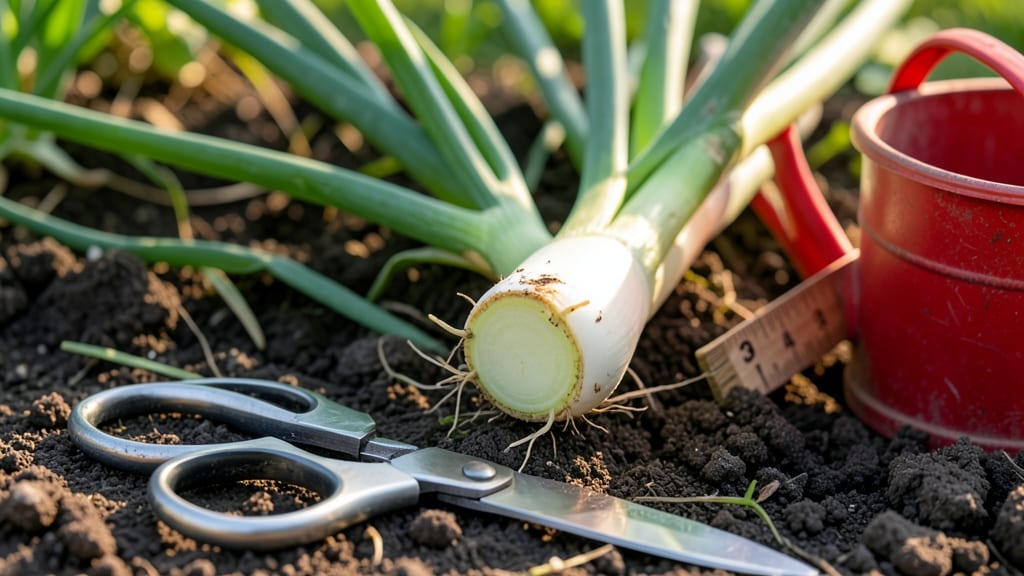
Cut green onions at the base, not the bulb. 🌱 I've regrown these stubborn stalks for years—every time I chop them wrong, the plant gives up. The secret is leaving 1-2 inches of the white bulb intact so roots can regenerate.
Place the cut ends in 2 inches of water in a sunny window, changing the water every 2-3 days. Within 5-7 days, you'll see fresh green shoots pushing through. This works for store-bought or homegrown onions, as long as the roots are still alive.
The regrown onions taste just as sharp as fresh ones—no loss of flavor here. Keep them trimmed regularly, and you'll have a never-ending supply of green onions without replanting. My kitchen never runs out!
Common mistakes? Overcrowding the container or letting the water get stagnant. Give each plant 1-2 inches of space and keep the water fresh. With this method, you'll have new growth in weeks, not months.
📚 In This Guide
- What you need
- Instructions
- Tips and common mistakes
- Wrapping up and next steps
What you need
- ● Fresh green onions (scallions) – 3–5 medium stalks (the more, the merrier for regrowth!)
- ● Sharp kitchen knife – A serrated or chef’s knife (4–6 inches) works best for clean cuts.
- ● Cutting board – A stable, non-slip board (wood or plastic) to protect your countertop.
- ● Shallow container – A glass or ceramic cup (6–8 oz) with a wide enough opening to submerge the roots.
- ● Fresh water – Room-temperature or slightly warm (not hot) to avoid shocking the roots.
- ● Paper towels or clean cloth – For drying roots before regrowth.
- ● Spice jar or mason jar – Keeps the container stable and easy to store on a countertop.
- ● Water spray bottle – For gently rinsing roots if they get dusty or dirty.
- ● Plant food or diluted apple cider vinegar – A dash (1 tsp per quart of water) can boost regrowth speed.
- ● Rubber band or hair tie – To bundle stalks together if they’re too wobbly.
Step-by-Step instructions for regrowing green onions in water
Here's how to keep your green onions thriving for months with minimal effort.
🌱 Step 1: Select and Prepare the Green Onions
Choose a bunch of green onions with firm, white roots still attached—these are the key to regrowth. I always pick the freshest bunch from the fridge or store, as older onions with dried roots won't recover. Rinse the roots under cool water to remove any dirt or debris, then gently separate the stalks into individual clumps of 3-4 onions each.
Trim the tops just above a leaf node (where the green leaves meet the white bulb). This ensures the plant has enough energy to regrow roots while maintaining leaf production. If the roots are already trimmed too short, don’t worry—just leave a little more of the white base intact. The goal is to preserve as much of the root system as possible without sacrificing too much leaf material.
💧 Step 2: Place in Water for Root Regrowth
Fill a shallow container (like a small glass or jar) with 2-3 inches of room-temperature water. I use a clear container so I can monitor root development—you’ll see new roots emerge in just 3-5 days. Place the trimmed green onion clumps in the water, ensuring the roots are fully submerged but the white bulb remains above water.
Change the water every 2-3 days to prevent bacterial growth and keep it fresh. You’ll notice tiny white root hairs sprouting first, followed by stronger roots within a week. Keep the container in a spot with bright, indirect light—a windowsill facing east or west works perfectly. Direct sunlight can cause the leaves to scorch, while too little light slows regrowth.
☀️ Step 3: Maintain and Harvest for Continued Growth
Once roots reach about 1-2 inches long, you can transplant the green onions into soil if desired, but I prefer keeping them in water for easy access. Harvest the outer leaves as needed by snipping just above a leaf node, leaving at least 2-3 inches of green growth to sustain the plant. This encourages continuous regrowth while keeping the flavor fresh and vibrant.
Watch for signs of stress: yellowing leaves mean the water needs changing or the light is insufficient. If the roots turn mushy or smell foul, discard the bunch and start fresh—this usually happens if the water sits too long without changing. With proper care, a single bunch can regrow for 3-6 months, giving you a steady supply of homegrown green onions with minimal effort.
✂️ Step 4: Transition to Soil (Optional)
If you want to move your green onions to soil for a more permanent setup, choose a small pot with drainage holes and fill it with well-draining potting mix. Gently plant the rooted green onions, burying the white bulb about 1 inch deep and spacing them 2-3 inches apart. Water lightly to settle the soil, then place the pot in bright, indirect light for a week to help it adjust.
Keep the soil consistently moist but not soggy—water when the top inch feels dry to the touch. You’ll start seeing new growth within 7-10 days, and you can harvest leaves as before. This method extends the life of your green onions even longer, giving you a nearly endless supply of fresh, flavorful greens straight from your kitchen.
Tips & tricks for perfect green onion regrowth
These simple yet game-changing tricks will help you maximize your green onions' regrowth potential and keep them thriving for months.
Leaf Node Precision: When trimming in Step 1, look for the small bump where the green leaves meet the white bulb—this is your leaf node. Cutting just above this node (about 1/4 inch above) ensures the plant has enough energy to regrow both roots and leaves. I've found that leaving too much green growth above this point can actually slow down root development, so aim for a clean, diagonal cut right at that junction.
Water Depth Matters: Maintain exactly 2-3 inches of water in Step 2—the roots need enough moisture to grow but shouldn't be submerged beyond the white bulb. I've seen regrowth fail when people either use too little water (roots dry out) or too much (causes rot). A clear container lets you monitor the water level easily, and changing it every 2-3 days prevents bacterial buildup that could harm your plants.
Light Positioning: East or west-facing windows provide the ideal bright, indirect light mentioned in Step 2. If you only have south-facing light, place your container 2-3 feet away from the window to prevent leaf scorch. I've noticed that north-facing windows often don't provide enough light for consistent regrowth—supplement with a small grow light if needed, especially in winter months when natural light is weaker.
Harvesting Strategy: In Step 3, always leave at least 2-3 inches of green growth after harvesting. This might seem like you're leaving a lot, but it's crucial for the plant's survival. I've learned this the hard way—when I cut too aggressively, the onions would either stop producing new leaves or take much longer to recover. Think of it like giving your plant a haircut that still leaves enough length to grow out.
Pro Tips for Cut Green Onions To Regrow
- These simple yet game-changing tricks will help you maximize your green onions' regrowth potential and keep them thriving for months.
- Leaf Node Precision: When trimming in Step 1, look for the small bump where the green leaves meet the white bulb—this is your leaf node.
- Water Depth Matters: Maintain exactly 2-3 inches of water in Step 2—the roots need enough moisture to grow but shouldn't be submerged beyond the white bulb.
Frequently asked questions
Got questions about reviving your green onions? You’re not alone! Here are some of the most common queries—and their straightforward answers—to help you master the regrowth game.
How often should I change the water for regrowing green onions?
Change the water every 2–3 days to prevent bacterial growth and keep your onions fresh. Stale water can turn your regrowth sour or slimy—yuck! Rinse the roots gently before refreshing the water to remove any buildup.
How long does it take for green onions to regrow after cutting?
With consistent care, you’ll see new shoots in 1–2 weeks, and fully edible regrowth in about 3–6 weeks. Patience pays off—just keep the roots submerged and the water fresh!
Can I regrow green onions in soil instead of water?
After cutting, plant the roots 1–2 inches deep in well-draining soil. Keep it moist (not soggy) and place it in bright, indirect light. Soil regrowth may take slightly longer but yields sturdier stems over time.
What do I do if my green onion roots turn mushy or smell bad?
Mushy roots or a foul odor mean it’s time to toss and restart. Trim any slimy parts, rinse the roots, and place them in fresh, clean water. If the problem persists, your onion may be past saving—start fresh with a new bunch!
Can I regrow green onions from store-bought ones?
Yes, but with lower success rates. Store-bought onions often have weaker roots due to processing. Choose organic or farmer’s market green onions with firm, white roots for the best chances of regrowth.
Wrapping up and next steps
Regrowing green onions from scraps is a simple, rewarding way to save money and enjoy fresh herbs all year round!
By following these easy steps—trimming the roots, placing them in water, and keeping them in a bright spot—you’ll have a continuous supply of flavorful green onions without losing their taste. Don’t let those scraps go to waste; try it today and watch your kitchen garden thrive!
Now that you’re ready to regrow, why not expand your skills? Experiment with other regrowable veggies like lettuce or celery, or share your newfound green thumb with friends. Happy growing! 🌱