
Flowers
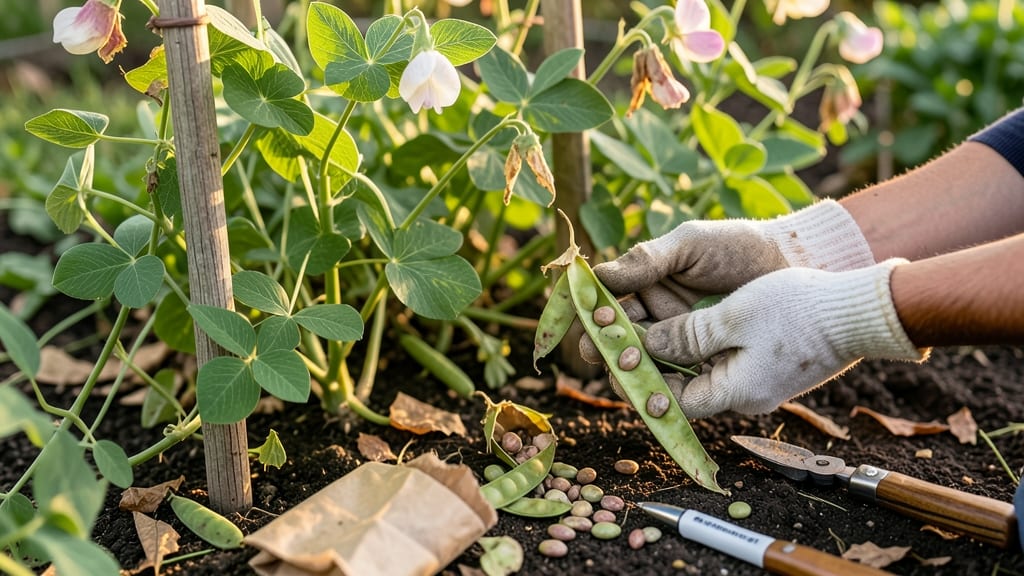
That moment when you learn how to collect sweet pea flower seeds—it’s time to save them for next year’s garden. 🌱 The trick lies in watching for dry, papery pods that turn from green to brown, signaling it’s harvest time before they burst open.
I’ve learned that patience here means better germination rates, and skipping this step often leads to wasted effort.
You’ll need just a few supplies: scissors or pruners, a paper bag for drying, and a labeled envelope for storage. The key is acting quickly once pods mature—too soon and seeds aren’t ready; too late and they scatter everywhere.
I’ve found that harvesting in the morning, when pods are dry but not brittle, works best for me.
Once collected, spread pods on a tray in a warm, dry spot for 2-3 weeks until completely dry and crumbly. Then, crack them open to reveal the tiny black seeds inside. Store them in a cool, dark place, and they’ll stay viable for 3-5 years—far longer than store-bought seeds.
For best results, avoid cross-pollination by growing just one variety at a time. If you’ve ever struggled with seed-saving, this method turns frustration into a rewarding cycle. Next year’s blooms start with this simple step—let’s make it count!
📚 In This Guide
- What you need
- Instructions
- Tips and common mistakes
- Wrapping up and next steps
What you need
- ● Sweet pea plants: Healthy, mature plants with fully bloomed flowers (choose varieties you love!).
- ● Scissors or pruning shears: Sharp, clean pair (sterilize with rubbing alcohol if reusing).
- ● Paper bags or breathable mesh bags: 4–6 bags (1–2 per plant, depending on seed pod quantity).
- ● Permanent marker or labels: To tag bags with plant names/varieties and harvest dates.
- ● Drying rack or paper towels: For spreading pods to dry (or a cool, dry indoor space).
- ● Small envelopes or seed packets: For storing dried seeds (1–2 per variety).
- ○ Fine-mesh sieve or colander: To separate seeds from chaff (optional but helpful).
- ● Glove: A light pair to protect hands from thorns or sticky pods.
- ● Humidity pack: Silica gel packets to speed up drying in humid climates.
- ● Seed catalog or notebook: To log varieties, bloom times, and seed viability notes.
- ● Spray bottle with water: For misting pods if your climate is too dry.
Step-by-Step instructions for collecting sweet pea seeds
Here’s how to harvest seeds from your sweet peas—timing is everything for next year’s best blooms.
🌿 Step 1: Identify and Select Healthy Flower Pods
Start by choosing the strongest, healthiest flowers on your plants. Look for pods that have fully bloomed and are now turning from vibrant to a pale, papery yellow—this signals they’re maturing. Avoid pods that are still green or show signs of disease, as those won’t produce viable seeds.
Gently twist the pod at its base to remove it from the stem. If it resists, use clean pruning shears to snip it off. Handle pods carefully—they’re delicate and can split open if mishandled. Place them in a dry, shaded spot to finish ripening.
⏰ Step 2: Monitor Pod Maturation for Perfect Timing
Sweet pea pods need 4-6 weeks to fully mature after flowering. Check them weekly—they’re ready when they turn a dry, brownish color and feel hard to the touch. If you tap a mature pod, it should make a hollow sound, like a tiny drum.
Don’t wait too long, though. Overripe pods can split open on their own, scattering seeds everywhere. If you see the pod starting to crack, harvest it immediately. Place the pods in a paper bag to catch any seeds that might fall out during transport.
🪴 Step 3: Dry and Extract Seeds Properly
Once pods are fully mature, lay them on a clean, dry surface in a warm, dry place for 1-2 weeks to ensure they’re completely dry. This prevents mold and rot. Avoid direct sunlight, which can overheat the pods and damage the seeds inside.
When the pods are crisp and brittle, gently crush them with your fingers or a small hammer to release the seeds. You’ll find 3-5 seeds per pod, each wrapped in a thin, papery coating. Remove any debris or empty seed casings, then store the seeds in an envelope or small paper bag.
🌱 Step 4: Store Seeds for Optimal Germination
Label your seed envelope with the variety and date of collection—sweet pea seeds stay viable for 3-5 years if stored properly. Place the envelope in a cool, dark, and dry spot, like a seed drawer or airtight container in your refrigerator.
Check the seeds every few months to ensure they’re not developing mold or moisture. If stored correctly, they’ll be ready to plant next spring, giving you a head start on next year’s sweet pea blooms.
Tips & tricks for perfect sweet pea seed collection
Timing and gentle handling make all the difference when harvesting sweet pea seeds—here's how to avoid common pitfalls and maximize your yield.
Pod Selection: In Step 1, look for pods that have fully transitioned from vibrant to pale yellow—this is the sweet spot for seed maturity. I once missed this cue and ended up with pods that were either too green or already splitting open. The key is to harvest when the pods are firm but not yet cracking—this ensures you get the maximum number of healthy seeds per pod.
Monitoring Maturation: The 4-6 week window in Step 2 is crucial. I recommend checking pods weekly and tapping them—if they sound hollow, they're ready. Overripe pods can burst open, scattering seeds everywhere. Keep a paper bag handy to catch any seeds that might fall out during transport, especially if you're harvesting multiple pods at once.
Drying Strategy: When drying pods in Step 3, avoid direct sunlight to prevent overheating. I've had seeds lose viability when pods were exposed to intense heat. A warm, dry spot like a windowsill with sheer curtains works perfectly. The 1-2 week drying period is non-negotiable—this ensures seeds are completely dry and ready for storage without risking mold.
Pro Tips for Collect Sweet Pea Flower Seeds
- Timing and gentle handling make all the difference when harvesting sweet pea seeds—here's how to avoid common pitfalls and maximize your yield.
- Pod Selection: In Step 1, look for pods that have fully transitioned from vibrant to pale yellow—this is the sweet spot for seed maturity.
- Monitoring Maturation: The 4-6 week window in Step 2 is crucial.
Frequently asked questions
Got questions about collecting sweet pea seeds?
You’re not alone! Here are some of the most common concerns—and their answers—to help you master the process like a pro.
When are sweet pea seeds fully ripe for harvesting?
Sweet pea seeds are ready when the pods turn brown, dry, and papery (about 6–8 weeks after flowering). If you pick them too early, the seeds won’t germinate well. Tap the pod—if it rattles, it’s time! Avoid harvesting if it’s still green or moist.
How long do sweet pea seeds stay viable for planting?
Freshly collected sweet pea seeds stay viable for 2–3 years if stored properly in a cool, dry place (like a sealed envelope or jar). For best results, plant them within 6 months. Older seeds may germinate slower or less reliably.
What should I do if my sweet pea pods rot before ripening?
Pod rot is often caused by excess moisture or fungal diseases. To prevent it, ensure good airflow around plants, avoid overhead watering, and remove any diseased pods immediately. If rot happens, try harvesting seeds from disease-free pods or start fresh with new plants next year.
Can I collect seeds from hybrid sweet peas?
Yes, but expect unpredictable results—hybrid seeds may not grow true to the parent plant. For consistent blooms, save seeds from heirloom or open-pollinated varieties (check seed packets for labels). If you love hybrids, treat seed collection as a fun experiment!
What’s the best way to store sweet pea seeds until planting?
Store seeds in a paper envelope or breathable container with a drying agent (like silica gel or rice) to prevent mold. Keep them in a cool, dark place (like a fridge) until spring. Label them with the variety and date for easy tracking!
Wrapping up and next steps
Collecting sweet pea seeds is a rewarding way to ensure next year’s garden bursts with vibrant blooms—and you’ve got all the know-how now! 🌸 By mastering pod-ripening timing, gently harvesting, and storing seeds properly, you’re setting the stage for a lush, fragrant display.
Whether you’re a seasoned gardener or just starting, every seed you save is a promise of future beauty.
Ready to take the next step? Plant those seeds in early spring and watch your garden transform into a sweet pea paradise! 🌱💐