
Tools
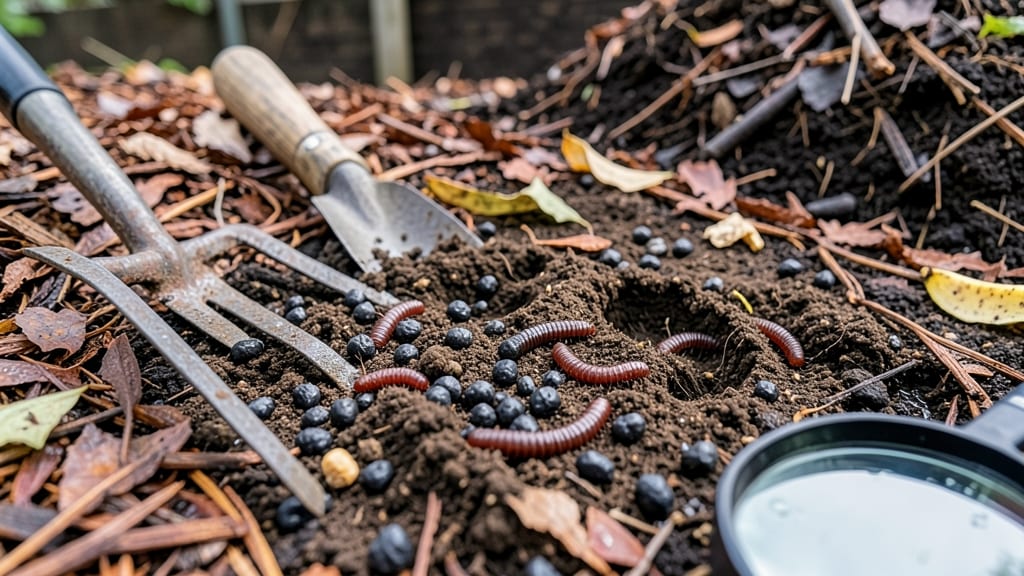
Attracting earthworms to your garden starts with creating the right conditions—moist, well-aerated soil packed with organic material. Avoid harsh chemicals and maintain consistent moisture while providing shade. Planting cover crops like clover or alfalfa naturally draws them in by offering both food and shelter.
Earthworms are nature's garden helpers, and they're drawn to environments that mimic their natural habitats. 🌱 The key is balancing moisture and organic material—think of it like creating a cozy underground hotel.
I've found that adding a thick layer of mulch (like wood chips or straw) not only retains moisture but also breaks down into valuable nutrients over time. What's fascinating is how their presence improves soil structure by aerating it through their burrowing, which in turn helps plant roots grow stronger.
Beyond soil conditions, earthworms respond well to specific organic baits. Coffee grounds, banana peels, and even grass clippings work wonders as natural attractants. I recommend burying these scraps lightly in moist soil rather than piling them on top—this mimics how they'd encounter food in the wild.
The best part? These practices create a self-sustaining ecosystem where earthworms thrive while improving your garden's overall health.
💡 In This Article
- Optimal Soil Conditions for Earthworm Habitat
- Best Organic Baits and Garden Practices to Lure Earthworms
Optimal soil conditions for earthworm habitat
Earthworms are incredibly sensitive to soil chemistry, particularly pH levels between 6.0 and 7.0, which is slightly acidic to neutral. This range mirrors their natural forest floor habitats where organic decomposition occurs most efficiently.
When soil pH drops below 5.5 or rises above 8.0, their digestive enzymes become less effective, reducing their ability to process organic matter. The ideal pH also helps maintain proper microbial activity that earthworms rely on for food. 🌱
Moisture is equally critical—earthworms prefer soil that feels like a well-wrung sponge, maintaining 40-60% moisture content. This level keeps their delicate skin hydrated while allowing sufficient oxygen exchange through the soil pores.
Too much water (70%+) creates anaerobic conditions that suffocate them, while below 30% causes their bodies to dry out. Mulching with straw or wood chips helps maintain this balance by slowing evaporation while preventing compaction.
Organic matter content should ideally range from 3-5% by weight, providing both food and structural support for their burrows. Composted materials like leaf mold or well-rotted manure break down into humus, creating a crumbly texture that earthworms love.
Their burrowing activity actually improves soil aeration by creating channels that allow air and water to penetrate deeper—up to 10-12 inches below the surface. This aeration is why their presence boosts root growth by 30-50% in vegetable gardens.
What most gardeners don't realize is how earthworms engineer their own microclimate. Their burrows create vertical pathways that regulate temperature fluctuations, keeping soil 5-10°F cooler during summer heatwaves. This natural cooling effect extends the growing season for shallow-rooted plants like lettuce and radishes.
The key is avoiding heavy tilling—earthworms need undisturbed soil to establish their networks, as each worm can create 1-2 feet of burrow per year.
For visual confirmation of ideal conditions, look for these signs: dark brown, crumbly soil that holds its shape when squeezed but breaks apart easily, with visible worm casts (small pellet-like deposits) on the surface.
These casts are actually nutrient-rich supercharged soil—each one contains 50-70% more phosphorus and 10-20% more nitrogen than surrounding soil. The presence of these casts indicates your soil is perfect for earthworm colonization. ✨
One advanced technique is creating "earthworm hotels" by burying 12-inch diameter plastic pipes filled with alternating layers of compost, sand, and leaf litter. These provide protected migration routes while maintaining optimal moisture levels.
The pipes should be placed vertically in shady areas where temperatures stay between 50-75°F—earthworms become less active below 40°F or above 85°F. 🔥