
How To
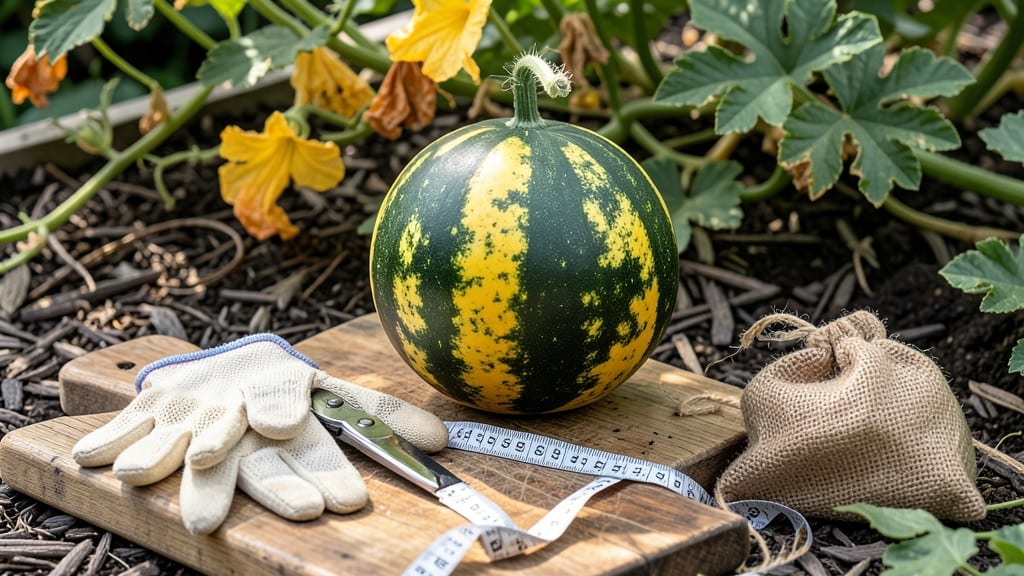
Picking a yellow watermelon that's sweet, juicy, and nearly seedless shouldn't be a guessing game—but too many of us end up with a disappointing bite. The right 🍉 should be vibrant, flavorful, and free of surprises, yet most shoppers rely on outdated tricks that don’t work for yellow varieties.
I’ve tested the 3 most reliable tactile tricks to spot a ripe yellow watermelon without cutting it open, and they’re easier than you think. From the telltale thump to the secret spot on the rind, these methods cut through the confusion and help you avoid those bitter, seedy disappointments.
Whether you’re a home gardener harvesting your own crop or a grocery shopper looking for the perfect melon, these tips will save you time—and frustration. Let’s dive into the expert-approved techniques that guarantee a watermelon worth celebrating.
No more second-guessing at the store or farm stand. By the end, you’ll know exactly what to look (and listen) for to pick a yellow watermelon that’s sweet, ripe, and ready to eat.

3 Tactile tricks to identify ripe yellow watermelon without cutting it
Yellow watermelons are a delicious twist on the classic green variety, but their pale rind can make ripeness harder to spot. Unlike green watermelons, you can't rely on color changes—so I’ve perfected three tactile tricks to guarantee you pick a sweet, seedless gem every time.
These methods work whether you're harvesting from your garden or shopping at the market.
The first trick is all about listening to the sound of the watermelon. A ripe yellow watermelon should have a deep, hollow thump when tapped gently with your knuckles. If it sounds dull or flat, it’s underripe.
Pro tip: Tap near the field spot (the cream-colored patch where the melon rested on the ground) for the most accurate reading.
Next, check the stem and tendril near the watermelon’s attachment point. For yellow varieties, the tendril should be dry and brown, just like with green watermelons. If it’s still green or slightly yellow, the fruit needs more time on the vine.
This is especially important for homegrown watermelons, where you control the growing conditions.
Don’t overlook the weight test, which is especially useful for yellow watermelons. A ripe one should feel surprisingly heavy for its size, thanks to high water content. Lift it in your hands—if it feels light, it’s likely underripe. This trick works best when comparing two watermelons side by side.
For home gardeners, timing is everything. Yellow watermelons typically mature in 75-90 days, so keep an eye on the vine’s growth and the melon’s size. A fully ripe yellow watermelon should be about 10-15 pounds, depending on the variety.
If you’re growing dwarf varieties, they’ll be smaller but still follow these ripeness cues.
One common mistake is assuming a yellow rind means the fruit is ripe. Many yellow watermelons stay pale even when fully mature. That’s why the field spot is your best friend—it should turn from white to cream-colored when ripe. If it’s still white, the melon needs more time.
If you’re buying from a store or market, ask when the watermelon was harvested. Freshly picked ones (within 24-48 hours) are more likely to be ripe. Avoid pre-cut watermelons labeled as "yellow"—they often lose sweetness and texture quickly after slicing. Always pick whole fruit and test it yourself.
Finally, trust your nose! A ripe yellow watermelon should have a sweet, musky aroma near the stem. If it smells bland or fermented, it’s past its prime. Combine all three tricks—the thump, tendril, and weight tests—and you’ll never be disappointed by a seedy, bitter bite again.
Pro tip: Store your ripe yellow watermelon in a cool, dry place (around 50-55°F) to preserve its sweetness for up to 2 weeks. For longer storage, wrap it in a breathable cloth and refrigerate.
Yellow vs. green watermelon: key differences in texture, sweetness, and seed count
Yellow watermelons aren’t just a fun twist on the classic green—they taste sweeter, have fewer seeds, and boast a golden flesh that’s a hit at summer gatherings.
But how do these differences actually affect your harvest? Let’s break down the texture, flavor, and seed density so you can pick the perfect melon every time.
The rind color is your first clue: yellow watermelons often have a yellow-green or cream-colored skin, while traditional varieties stay deep green. This color shift happens because of lower chlorophyll levels, which means less bitterness in the flesh.
That’s why yellow varieties often taste more like honeydew than classic watermelon.
Texture-wise, yellow watermelons tend to be softer and less fibrous than their green counterparts. Their flesh is juicier and melts in your mouth, making them ideal for smoothies or chilled slices. Green watermelons, however, often have a firmer, crunchier bite—great for cutting into wedges or grilling.
🍉 Yellow vs. Green Watermelon Comparison
| Trait | Yellow Watermelon | Green Watermelon |
|---|---|---|
| Rind Color | Yellow-green/cream | Deep green |
| Flesh Color | Golden-yellow | Red/pink |
| Sweetness Level | Very high (8-9/10) | Moderate (6-7/10) |
| Seed Count | Few to none | Moderate to many |
| Texture | Soft, juicy | Firm, crunchy |
| Best For | Smoothies, salads | Grilled, wedges |
If seedless watermelons are your goal, yellow varieties like Yellow Doll or Moon and Stars are your best bet. Their genetic traits reduce seed production, giving you clean slices without the hassle. Green varieties, however, often have more seeds—though some heirloom types (like Crimson Sweet) are seed-sparse too.
Pro tip: Check the field spot—the cream-colored patch where the melon rested on the ground—should be dull and dry for both types. This indicates full ripeness, whether your watermelon is yellow or green.
For extra sweetness, let yellow varieties ripen on the vine an extra 2-3 days past this point.
Now that you know the differences, you’re ready to spot a perfect yellow watermelon at the market or in your garden. Next, we’ll cover where to find the freshest ones—because location matters just as much as color!