
Picking
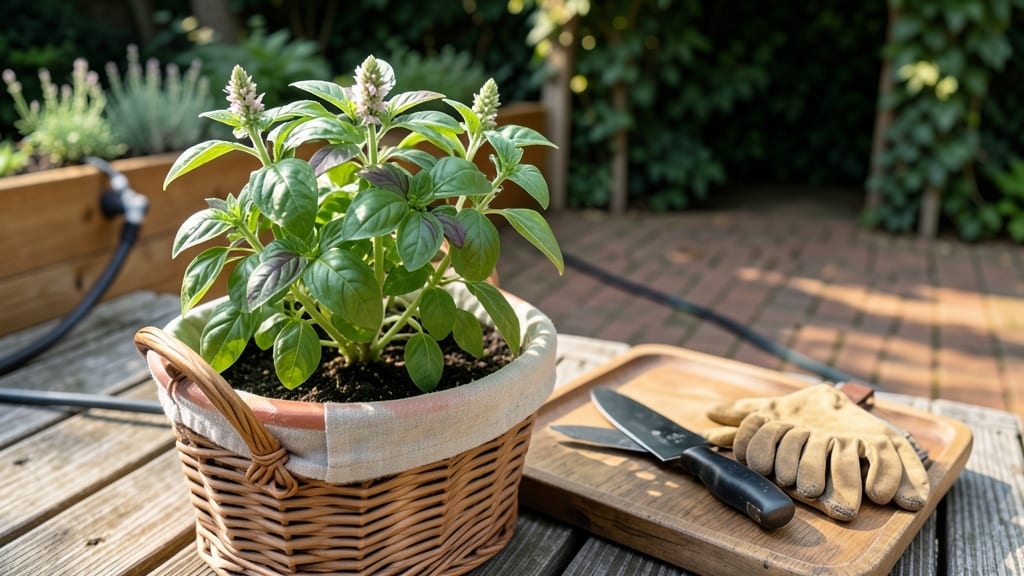
Your herb garden’s flavor—and future—starts with how to pick herbs the right way. 🌿 I’ve learned the hard way that harvesting wrong can kill a plant faster than drought.
The secret isn’t just when you pick, but how—and most guides skip the critical details that make the difference between a bushy, productive plant and a sad, leggy shadow.
Timing matters more than you’d think: basil’s best when flowers peek (before they open), rosemary thrives when woody, and mint? Harvest it young or it’ll take over your garden. Use clean, sharp scissors—not fingers—and always cut just above a leaf node (that’s where new growth hides).
I’ve seen plants bounce back from heavy pruning when done right, but snap a stem? That’s a one-way ticket to floppy, flavorless stems.
After harvesting, give your herbs a drink and a little shade for 24 hours—they’ll recover faster. Within days, you’ll see fresh shoots pushing out, and your plants will stay bushier, more flavorful, and productive for months. The right technique turns a single harvest into a year-round supply.
This works for everything from kitchen staples to ornamental herbs, whether you’re growing in pots or garden beds. Let’s get those scissors sharp and those harvests happening—properly this time.
📚 In This Guide
- What you need
- Instructions
- Tips and common mistakes
- Wrapping up and next steps
What you need
- ● Sharp pruning shears or garden scissors – Look for bypass-style (not anvil) with 4- to 6-inch blades for precision cuts. Avoid dull tools that crush stems!
- ● Clean, dry container or basket – A wire mesh basket (for airflow) or shallow wooden crate works best. Size depends on harvest volume—1–2 gallons for small batches, 5+ gallons for larger picks.
- ○ Gloves (optional but recommended) – Nitrile or cotton gardening gloves protect hands from thorns (like rosemary) or sap (e.g., mint). Choose fingerless for dexterity.
- ● Labeling tags or chalkboard – Small wooden tags or a mini chalkboard helps track herb varieties if harvesting multiple types.
- ● Water spray bottle (4–8 oz) – A light mist keeps herbs fresh longer during transport.
- ● Herb-specific tools: Thin, flexible snips for delicate herbs like cilantro or parsley.
- ● Long-handled shears for tall herbs (e.g., dill or lavender) without bending over.
- ● Portable cutting board – A foldable silicone mat (12x18 inches) for trimming on the spot.
- ● Small cooler or insulated bag – Keeps herbs crisp for 24+ hours if storing before use.
- ● Digital scale (0.1 oz precision) – For chef-level accuracy when measuring dried herbs post-harvest.
Step-by-step instructions for harvesting fresh herbs
Here's how to keep your herb garden thriving while gathering the freshest leaves.
✂️ Step 1: Choose the Right Time for Picking
Harvest herbs in the morning after the dew has dried but before the sun reaches its peak. This ensures the oils in the leaves are at their strongest, giving you the most flavorful harvest. Avoid picking after rain—wet leaves bruise easily and can develop mold when stored.
Check your herbs for at least 3-4 sets of true leaves before cutting. This means skipping the first few leaves that appear right after germination (those are the seed leaves). You'll know they're ready when the stems are thick and sturdy enough to support a snip without breaking.
🌿 Step 2: Use the Right Technique to Encourage Growth
Never pull or snap leaves—this damages the plant and can kill it. Instead, use clean, sharp bypass pruners or scissors to make a clean cut just above a leaf node (the point where leaves grow out). This encourages new growth from that spot and keeps your herb bushy.
For leafy herbs like basil, parsley, or cilantro, cut the outer leaves first, leaving the inner ones to keep growing. For woody herbs like rosemary or thyme, trim the stems back by about one-third to promote branching. Always cut at a 45-degree angle to increase surface area for water absorption.
☀️ Step 3: Harvest Regularly to Maintain Productivity
Most herbs benefit from frequent harvesting—every 2-3 weeks during the growing season. This prevents them from flowering too early, which can make leaves bitter. Watch for signs of stress like yellowing or wilting; these mean it's time to stop picking for a while and focus on care instead.
If your herbs start to flower, pinch off the blooms immediately. Flowers signal the plant to focus on seed production rather than leaf growth. You'll see a noticeable difference in leaf production within 1-2 weeks of consistent harvesting and pruning.
💧 Step 4: Store Freshly Picked Herbs Properly
Rinse leaves only if they're dirty, and pat them dry gently with a paper towel. Store them in a loosely sealed plastic bag in the refrigerator—too much air will dry them out, but too little can cause mold. For best flavor, use herbs within 5-7 days of picking.
For long-term storage, dry or freeze herbs immediately after harvesting. Bundle stems together and hang upside down in a dry, dark place for drying, or chop and freeze in ice cube trays with water or olive oil. You'll always have fresh herb flavor on hand without sacrificing the plant's health.
Tips & tricks for perfect herb harvesting
Here's what nobody tells you about keeping your herb garden thriving while harvesting.
Timing is Everything: That morning window after dew dries but before peak sun isn't just ideal—it's critical. I learned this the hard way after picking herbs midday that tasted bland and lost flavor within days. The morning harvest gives you the strongest essential oils, which means more flavor in your cooking. If you must pick later, wait until the late afternoon when temperatures start dropping.
Leaf Count Matters: Those first few baby leaves after germination might look tempting, but resist! Wait until you see at least 3-4 sets of true leaves—these are the mature leaves that'll give you the best flavor. I used to snip too early and wondered why my herbs always tasted weak. Think of it like waiting for your coffee to brew—rushing it just doesn't give you the full flavor experience.
Cutting Technique That Works: The 45-degree angle cut isn't just a suggestion—it's a game-changer for plant health. This angled cut increases surface area for water absorption, helping your herbs recover faster. For leafy herbs, always cut from the outside moving inward to protect the growing center. And never, ever pull leaves—you'll damage the plant's ability to produce new growth. I've seen herbs recover from improper cuts, but never from being pulled.
Flower Management: Those little blossoms might look pretty, but they're the enemy of flavorful leaves. Pinching off flowers immediately sends a signal to your herb plants to focus on leaf production instead. I've seen herbs go from producing abundant leaves to nearly stopping after flowering—it's like watching your favorite plant give up on you! The 1-2 week boost in leaf production after consistent pruning is well worth the effort.
Pro Tips for Pick Herbs
- Here's what nobody tells you about keeping your herb garden thriving while harvesting.
- Timing is Everything: That morning window after dew dries but before peak sun isn't just ideal—it's critical.
- Leaf Count Matters: Those first few baby leaves after germination might look tempting, but resist!
Frequently asked questions
When is the best time to pick herbs?
The ideal time to harvest most herbs is in the morning after the dew has dried but before the sun peaks (around 8–10 AM). This ensures the highest concentration of essential oils and flavors. Avoid harvesting after rain, as moisture can dilute oils and promote mold.
Should I cut herbs with scissors or pinch them by hand?
For most herbs, pinching by hand (using your thumb and forefinger) is best—it encourages bushier growth. Use clean, sharp scissors only for woody stems (like rosemary or thyme). Never rip leaves, as this damages the plant and reduces future harvests.
Can I pick herbs if they’re flowering?
It depends! For flavorful leaves (like basil or cilantro), remove flowers immediately—they signal the plant to stop producing leaves. However, herbs like dill or chives taste best when allowed to flower. Always trim flowers back to encourage more growth.
How do I store freshly picked herbs?
Wrap stems loosely in paper towels, place in a plastic bag (poke holes for airflow), and refrigerate. For long-term storage, dry herbs in a dark, well-ventilated area or freeze them in ice cube trays with water or olive oil. Avoid washing until ready to use!
What do I do if my herbs taste bitter after picking?
Bitterness often means the plant is stressed (overripe, wilted, or exposed to heat). Harvest earlier in the season, avoid picking after rain, and store herbs properly. If the issue persists, check for pests or nutrient deficiencies—healthy soil = better flavor!
Wrapping up and next steps
Picking fresh herbs doesn’t have to be intimidating—just
Ready to take the next step? Try growing your own herb garden—even a windowsill pot can yield flavorful harvests. Happy gardening!