
How To
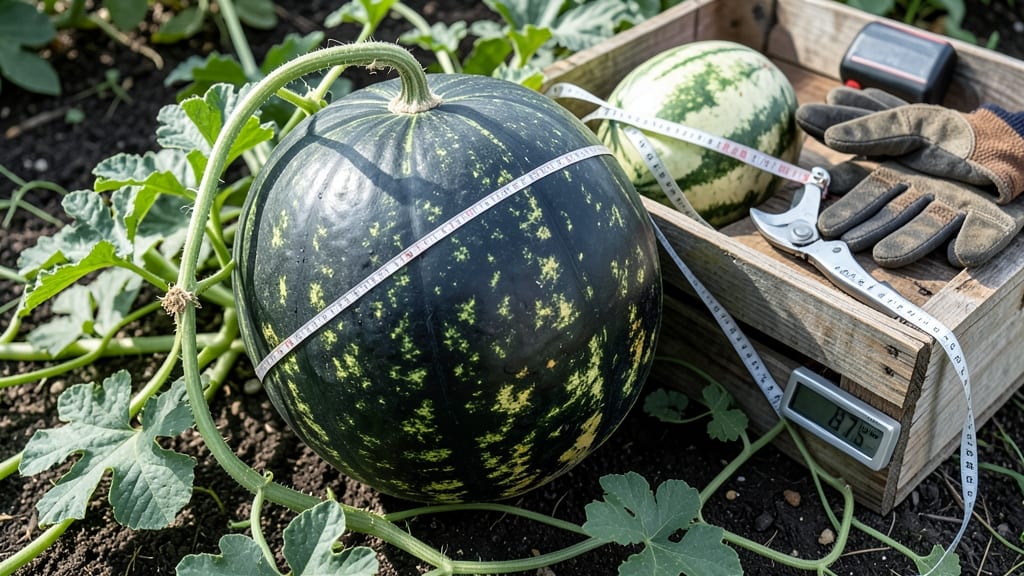
The 3 non-negotiable field tests for Black Diamond watermelon sweetness
Black Diamond watermelons are prized for their deep red flesh, dense texture, and unmatched sweetness—but only if you pick them at peak ripeness. Unlike seedless varieties, Black Diamonds have thick rinds and slower sugar development, making traditional ripeness tests less reliable.
These 3 science-backed field tests will help you avoid the bitter disappointment of a watery melon and ensure every bite is pure, juicy perfection.
First, let’s talk about the field spot—a telltale sign of ripeness that’s often overlooked. Black Diamond watermelons develop a cream-colored spot on the underside where they rest against the soil. This spot should be fully yellowed or tan, not white or pale.
The darker the skin, the more important this check becomes, as Black Diamond’s thick rind hides internal ripeness cues better than lighter varieties.
The thump test is your next best friend, but with Black Diamonds, you’ve got to adjust your expectations. Tap the melon firmly with your knuckles—if it sounds deep and hollow, it’s ready.
However, because Black Diamond rinds are thicker and denser, a slightly duller thud can still mean sweetness. Pair this test with the field spot check for accuracy, as the combination of these two signals is far more reliable than either alone.
The stem inspection is often the most reliable test for Black Diamond watermelons. When the stem near the fruit turns brown and dries out, it’s a clear sign that the melon has stopped growing and is ready for harvest.
This is especially critical for Black Diamonds, as their slower maturation means the stem may stay green longer than in faster-ripening varieties. If the stem is still green or moist, wait a few more days before testing again.
But what if your Black Diamond watermelon passes all three tests and still isn’t sweet? Overripe melons can happen, especially in hot climates where sugar development accelerates. If the rind feels too soft or the fruit smells fermented, it’s past its prime.
The key is to harvest at the right moment—not too early (underripe) and not too late (overripe). Black Diamonds thrive in warm, consistent temperatures, so if your summer has been unusually cool, give them extra time to sweeten.
For gardeners growing Black Diamond watermelons, timing is everything. These melons take longer to mature than standard varieties, often requiring 80-90 days from planting to harvest. If you’re in a shorter growing season, start seeds indoors or use row covers to extend the season.
The extra effort pays off with melons that are far sweeter and more flavorful than store-bought varieties.
One common mistake I see is relying solely on size to judge ripeness. Black Diamond watermelons can grow large but still underripe, especially if they’re planted late in the season. Always combine the field spot, thump test, and stem inspection for the most accurate results.
If you’re unsure, cut one open—just be prepared for the sweetest, most satisfying victory you’ve ever tasted in your garden.
Pro tip: If you’re growing Black Diamond watermelons in containers, they may ripen slightly faster due to warmer root zones. Monitor them closely and be ready to harvest earlier than in-ground plants.
The same tests apply, but the stem may brown quicker in pots, so check it daily during peak ripening season.
Once you master these 3 field tests, you’ll never second-guess your Black Diamond watermelon selection again. The next time you’re standing in the garden (or at the farmers' market), you’ll know exactly which melon to pick—guaranteed sweetness every time.
Now, go enjoy that juicy, red perfection you’ve been waiting for!
The 3 non-negotiable field tests for Black Diamond watermelon sweetness
Black Diamond watermelons are prized for their dense, dark green flesh and explosive sweetness, but their thick rind and slower ripening make them trickier to pick than standard varieties.
Unlike seedless hybrids, Black Diamond’s unique genetics require adjusted field tests—because what works for a Crimson Sweet won’t cut it here. These 3 science-backed methods will help you evaluate ripeness, sugar content, and texture before cutting into your hard-earned harvest.
First, focus on the field spot—the yellowish patch where the melon rested on the soil. For Black Diamond, this spot should be creamy white to pale yellow, not green or overly dark.
A clean, well-defined field spot signals the melon absorbed enough sunlight and nutrients during its final growth phase. Skip melons with muddy or stained spots, as this can indicate overripeness or disease.
Next, perform the thump test—but with a twist for Black Diamond’s thick rind. Tap the melon firmly with your knuckles. A deep, hollow sound (like a drum) means it’s ripe, while a dull thud suggests underripeness.
Pro tip: Press your thumb into the rind—if it springs back slowly (not instantly), the flesh is likely sweet and firm. Black Diamond’s rind is tougher than average, so apply more pressure than you would with a Sugar Baby.
Finally, inspect the stem attachment. The stem should be dry, brown, and slightly detached from the vine—this means the melon stopped growing and began converting starches to sugars. If the stem is still green or moist, the melon needs more time.
Black Diamond’s slower maturation means you might need to wait 1-2 extra days compared to faster-ripening varieties.
🌱 3 Field Tests for Black Diamond Sweetness
- 🔍 Field Spot Check: Creamy white to pale yellow, not green or stained
- 🔊 Thump Test: Deep hollow sound + slow thumb spring-back (thick rind = more pressure)
- 🌿 Stem Inspection: Dry, brown, and partially detached (slower ripening = wait longer)
Black Diamond’s darker skin can fool even experienced gardeners—its matte, deep green rind might look ripe when it’s not. Always combine all 3 tests before harvesting. For example, a melon with a perfect field spot but a green stem isn’t ready yet, even if it thumps well.
Patience pays off: overripe Black Diamonds lose sweetness and develop a grainy texture, so aim for peak ripeness when the vine’s tendril nearest the fruit turns completely brown.
One common mistake? Assuming size = sweetness. Black Diamond melons mature larger and denser than hybrids, so don’t judge ripeness by weight alone. Instead, prioritize the field spot and stem—these are the most reliable indicators for this variety.
If you’re still unsure, harvest 2-3 days apart and let them cure in a shady, dry spot for 3-5 days before tasting. This post-harvest curing boosts sugar concentration, especially in slower-ripening varieties like Black Diamond.
Remember: Black Diamond’s sweetness peaks at full ripeness, but it won’t overripe like a Sugar Baby. With these tests, you’ll consistently pick melons that deliver juicy, honey-like flavor—worth every minute of your garden labor. 🍉