
Container Gardens
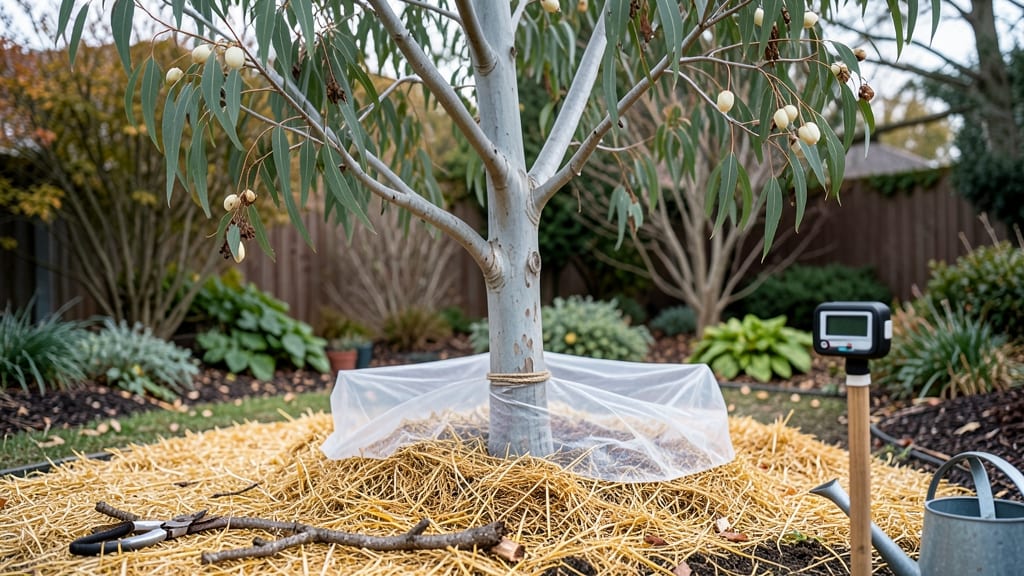
Overwintering eucalyptus feels like a high-stakes gamble—one wrong move and your silvery sentinels turn into frostbite casualties. 🌱 I’ve lost count of how many times I nearly gave up until I learned these cold-hardy tricks that keep my trees thriving through winter, even in zones where frost isn’t just possible but likely.
The secret isn’t magic—it’s matching your eucalyptus’s needs to the season. You’ll need 3-4 inches of mulch (straw or wood chips work best), a protective cover for sudden cold snaps, and a watering routine that keeps roots moist but never soggy.
Prune back any dead or damaged branches now, and avoid heavy pruning until spring to prevent stress.
By spring, you’ll be rewarded with vibrant new growth and that signature eucalyptus fragrance wafting through your garden. The key is consistency: check mulch levels monthly, monitor for pests hiding under coverings, and adjust watering as temperatures fluctuate.
Even in harsh winters, these steps keep your trees looking like they just stepped out of a California grove.
Regional tweaks matter—Zone 7+ gardeners can often leave potted trees outside with extra insulation, while Zone 6 and below should move containers indoors or to a sheltered spot. The biggest mistake? Skipping the mulch or using plastic covers that trap too much moisture. Let’s get your eucalyptus through winter unscathed!
📚 In This Guide
- What you need
- Instructions
- Tips and common mistakes
- Wrapping up and next steps
What you need
- ● Cold-hardy eucalyptus variety: Choose species like Eucalyptus gunnii or Eucalyptus pauciflora (zones 6-9). Avoid tropical types!
- ● Large container (15–25 gallons): Ensure drainage holes + saucer (if indoors). Terracotta or fiberglass works best.
- ● High-quality potting mix: 60% cactus/succulent mix, 30% perlite/pumice, 10% compost (sterilized). 10–12 cubic feet for repotting.
- ● Mulch: 3–4 inches of straw or shredded bark (avoid leaves—they compact).
- ● Frost cloth or bubble wrap: 50–70% shade cloth (or heavy-duty plastic wrap) for wind/ice protection.
- ● Pruning shears: Sterilized, sharp (disinfect with rubbing alcohol).
- ● Watering can or hose with nozzle: Drip irrigation preferred to avoid soggy roots.
- ● Thermometer: Soil and air (aim for 40–50°F soil temps).
- ● Grow lights: LED full-spectrum (12–14 hrs/day if indoors).
- ● Root stimulator: Mycorrhizal fungi or seaweed extract (mix into soil pre-winter).
- ● Heating mat: For indoor overwintering (set to 55–60°F).
- ● Humidifier: If indoors, eucalyptus loves 50–60% humidity.
- ● Windbreak: Burlap screens or snow fencing for outdoor plants.
Tips & tricks for overwintering eucalyptus safely
These cold-hardy strategies will help your eucalyptus thrive even when temperatures plunge.
Hardiness Zone Research: Before you begin, verify your specific eucalyptus variety's hardiness zone—this determines how aggressive your winter prep should be. For example, Eucalyptus gunnii (cider gum) handles down to 10°F, while Eucalyptus pauciflora (snow gum) can survive -15°F with proper protection. Local nurseries or university extension offices often have detailed hardiness maps for your region. This step is critical because overprotecting can smother the plant, while underprotecting risks winter damage.
Pruning Strategy: In Step 1, when you're pruning damaged branches, focus on creating an open canopy. This improves airflow, which is essential for preventing fungal diseases that thrive in winter's damp conditions. Remove any branches that cross or rub against each other—they create weak points where cold air can penetrate. I also recommend sterilizing your pruners with rubbing alcohol between cuts to prevent spreading any potential pathogens.
Mulching Depth and Placement: The 2-inch layer of mulch in Step 2 should be applied with precision—keep it at least 2 inches away from the trunk to prevent moisture buildup against the bark. I've found that straw works better than wood chips because it doesn't compact as it breaks down, maintaining that crucial insulation. For container-grown eucalyptus, consider adding a layer of bubble wrap around the pot before applying mulch to create an extra barrier against freezing soil.
Winter Monitoring System: During Step 4's winter checks, I've developed a simple system: mark your calendar for every 2-3 weeks during cold snaps, and always carry a small bag of dry burlap in your car. This way, you're never caught unprepared if snow or rain dampens the protective wrap. I also keep a small broom in my garage specifically for tapping off ice—it's a game-changer for preventing branch breakage during heavy snowfall.
Pro Tips for Overwinter Eucalyptus
- These cold-hardy strategies will help your eucalyptus thrive even when temperatures plunge.
- Hardiness Zone Research: Before you begin, verify your specific eucalyptus variety's hardiness zone—this determines h...
- Pruning Strategy: In Step 1, when you're pruning damaged branches, focus on creating an open canopy. This improves ai...
Frequently asked questions
Got questions about keeping your eucalyptus thriving through winter? You’re not alone!
Here are answers to the most common concerns—from timing to troubleshooting—so you can overwinter with confidence.
Can eucalyptus survive winter outdoors in cold climates?
Most eucalyptus varieties are not cold-hardy and will die in frost (below 20°F/-7°C). However, Eucalyptus gunnii (the "Cider Gum") is the exception—it tolerates temps down to 10°F (-12°C) with proper care. For other types, overwintering indoors or in containers is essential.
When should I bring my eucalyptus inside for winter?
Move potted eucalyptus indoors before the first frost (usually late fall, when temps dip below 40°F/4°C). If left outside too long, even young plants can suffer irreversible damage. Monitor your local frost date and act early—better safe than sorry!
What’s the best way to overwinter eucalyptus indoors?
Place your plant near a sunny window (south-facing is ideal) or under grow lights for 6+ hours daily. Reduce watering (let soil dry slightly between waterings) and avoid drafts. Prune lightly to encourage bushier growth, and watch for pests like spider mites—common in dry indoor air.
Can I overwinter eucalyptus in a garage or shed?
While a garage or shed offers protection from frost, it’s not ideal for long-term overwintering. These spaces lack humidity and light, causing stress. If you must use one, ensure consistent temps above 40°F (4°C), good airflow, and occasional misting. A greenhouse or sunroom is a better bet!
My eucalyptus leaves are turning brown/yellow—what’s wrong?
Brown/yellow leaves usually signal overwatering or cold stress. Check soil moisture (eucalyptus hates soggy roots!) and ensure temps stay above 40°F (4°C). If leaves crisp, it’s a sign of frost damage—trim affected areas and adjust care. Pro tip: Wipe leaves with a damp cloth to remove dust and boost photosynthesis!
Can I overwinter eucalyptus in the ground in Zone 8 or warmer?
In Zone 8+, in-ground eucalyptus may survive mild winters if protected with mulch (3–4 inches) and burlap wraps around the trunk. However, young trees or frost-sensitive varieties still need extra care. Monitor weather forecasts and cover plants if a hard freeze is predicted!
Wrapping up and next steps
Overwintering eucalyptus is totally doable with the right prep—whether you’re protecting potted plants or nurturing young trees in the ground! 🌿 By choosing cold-hardy varieties, insulating roots, and providing shelter, you’ll give your eucalyptus the best shot at thriving through chilly months. Remember: patience and consistency are key!
Now that you’re armed with these tricks, take action—start prepping your plants this fall to ensure a lush, green comeback next spring. Ready to dive deeper? Check out our step-by-step guide or join gardening forums to swap tips with fellow plant lovers!