
How To
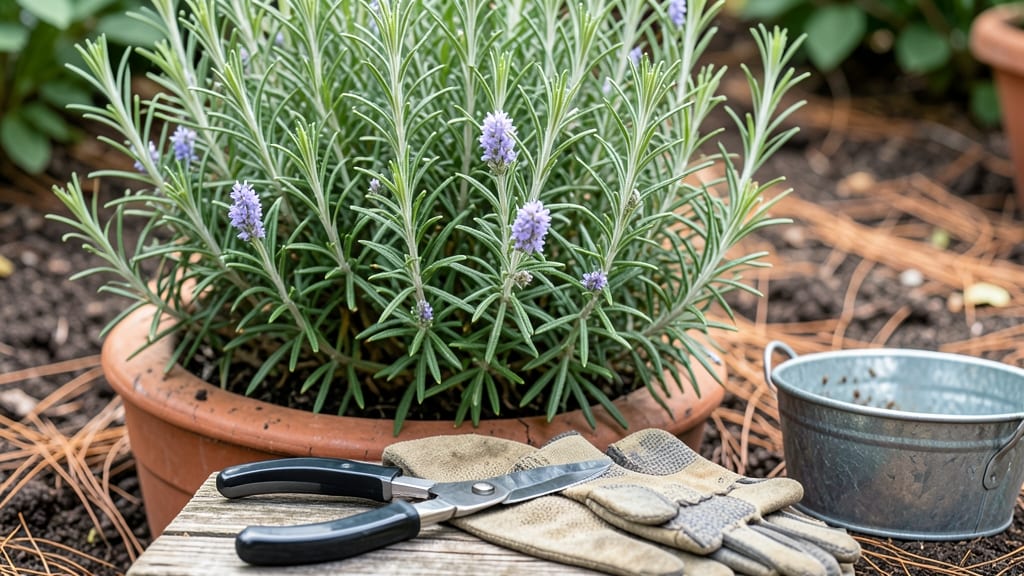
Your rosemary looks like a sad, skinny stick instead of the lush, fragrant bush you want—but how to make rosemary bushier is simpler than you think. 🌿 The secret lies in pruning right, feeding it properly, and giving it what it truly craves.
I’ve turned my own woody rosemary into a thick, vibrant plant with just a few simple tweaks, and you can too.
Start by pruning in early spring before new growth begins. Cut back one-third of the oldest stems at the base—this encourages fresh, bushier shoots. Avoid pruning in fall or winter, when the plant is dormant.
And here’s the golden rule: never prune more than 30% at once, or you’ll shock the plant into stress.
After pruning, feed your rosemary with a low-nitrogen fertilizer (like 5-10-5) to promote leafy growth, not leggy stems. Water deeply but infrequently—rosemary hates soggy roots. Within 4-6 weeks, you’ll see new green shoots filling out those bare spots, and your plant will look like it’s finally breathing.
For extra fullness, deadhead spent flowers regularly—this redirects energy into foliage instead of seed production. And if your rosemary’s looking woody, a hard prune (cutting back to 6-8 inches) in spring can rejuvenate even the oldest plants. Patience is key, but the results are worth it.
📚 In This Guide
- What you need
- Instructions
- Tips and common mistakes
- Wrapping up and next steps
What you need
- ● Pruning shears or bypass pruners – Sharp, clean, and sterilized (70% isopropyl alcohol works great). Choose a pair with bypass blades (not anvil-style) to avoid crushing stems.
- ● Gloves – Heavy-duty gardening gloves to protect your hands from thorns and rough stems.
- ● Organic fertilizer – A balanced, slow-release granular fertilizer (e.g., 10-10-10 or 5-5-5) or a rosemary-specific plant food. Aim for 1–2 cups per plant.
- ● Compost or well-aged manure – 2–3 gallons per plant to enrich the soil before fertilizing.
- ● Watering can or hose with a gentle spray nozzle – For deep watering (1–2 inches per week, depending on climate).
- ○ Mulch (optional but helpful) – 2–3 inches of organic mulch (e.g., straw, wood chips, or pine needles) to retain moisture and suppress weeds.
- ● Pruning saw – For thicker stems that shears can’t handle.
- ● Hormone rooting gel – If you plan to propagate cuttings (1 small bottle is plenty).
- ● Slow-release fertilizer spikes – Convenient for timed nutrient release.
- ○ Plant hormone powder – Speeds up root growth in cuttings (optional but handy).
- ● Spray bottle with diluted hydrogen peroxide (3%) – Helps sterilize cuts and prevent disease.
Step-by-Step instructions for pruning and encouraging rosemary growth
Here's how I transform leggy rosemary into a full, fragrant bush—no fancy tools needed.
✂️ Step 1: Prune for Shape and Health
Wait until spring or early summer when new growth is just starting. I use clean, sharp pruning shears to cut back about ⅓ of the plant's height, focusing on the oldest stems first. This encourages younger, bushier growth from the base. Never trim more than ⅓ at a time—you'll shock the plant and stunt its recovery.
Look for stems that are woody or bare at the bottom—these are the ones to prune first. Cut just above a leaf node (the bump where leaves grow) at a 45-degree angle. This small detail prevents water from pooling on the cut and rotting the stem. After pruning, you'll notice the plant looks sparser, but trust me—this is the first step toward a fuller shape.
🌿 Step 2: Encourage New Growth with Proper Care
Rosemary thrives in full sun (6+ hours daily) and well-draining soil. After pruning, water deeply but only when the top 1-2 inches of soil feel dry. Overwatering is the #1 killer of rosemary—it hates soggy roots. I use a moisture meter to check, but you can also stick your finger in the soil to gauge dryness.
Fertilize lightly with a balanced, water-soluble fertilizer (10-10-10) diluted to half strength. Too much fertilizer burns rosemary roots, so I apply it only once in early spring. You'll see new shoots emerge from the base within 3-4 weeks if conditions are right. If growth stalls, check for pests like spider mites or aphids—rosemary is tough but not invincible.
✂️ Step 3: Deadhead and Maintain Shape
As flowers appear, pinch them off with your fingers or trim them back. Deadheading redirects the plant's energy from seeding to leaf and stem growth. I do this every 2-3 weeks during the growing season. The goal is to keep the plant focused on bushy, aromatic foliage—not on producing seeds.
Shape the rosemary by trimming the tips of the longest branches. This prevents the plant from growing tall and leggy. Cut just above a set of leaves to encourage branching. You'll see the plant fill out within a few weeks, especially if you're consistent. Avoid heavy pruning in fall or winter—rosemary needs time to harden off before cold weather.
☀️ Step 4: Provide Optimal Conditions for Year-Round Growth
Rosemary loves well-draining soil and full sun. If your plant is in a pot, ensure it has drainage holes and use a mix of potting soil and perlite. In colder climates, move potted rosemary indoors near a sunny window before the first frost. Keep the air circulating—rosemary hates humidity and can develop fungal issues if left in stagnant air.
In warmer months, I trim rosemary lightly every 4-6 weeks to maintain its shape. The key is consistency—rosemary responds best to regular, gentle pruning rather than occasional heavy cuts. With time, your rosemary will develop a thick, bushy habit that's perfect for cooking and garnishes. Patience is key—it takes about 2-3 growing seasons to fully transform a leggy rosemary into a lush bush.
Tips & tricks for revitalizing rosemary growth
Here's the secret to transforming your rosemary from sparse to lush without overcomplicating things.
Pruning Precision: When you're cutting back that one-third of the plant's height in Step 1, focus on making clean cuts just above those leaf nodes—those tiny buds are where all the magic happens. I've found that using sharp pruners makes all the difference; dull blades can crush stems and invite disease. And here's a trick: if you're unsure where to cut, look for the small triangular bump where the leaf meets the stem—that's your target spot. The first pruning might feel aggressive, but trust me, rosemary bounces back like a champ.
Pinching Technique: For that bushier look in Step 2, don't just snip—pinch! Using your fingers to remove the top set of leaves gives you better control over how much you're removing. I like to do this on a sunny morning when the plant's juices are flowing. You'll know you're doing it right when you see new side shoots forming within 2-3 weeks. Pro tip: If your rosemary has become woody at the base, don't panic—cutting it back to 6 inches in early spring is like hitting the reset button. It might take a season, but you'll get that fresh growth back.
Fertilizer Timing: When you're applying that diluted 10-10-10 fertilizer every 4-6 weeks, remember that timing is everything. The instructions say to skip fertilizing in late summer or fall, and that's crucial—you don't want to encourage tender new growth that won't survive winter. I've learned this the hard way after watching new shoots freeze in my first winter. For an extra boost, I sometimes add compost or worm castings around the base after pruning. The key is to feed the plant when it's actively growing, not when it's preparing for dormancy.
Watering Wisdom: Rosemary is famously drought-tolerant, but that doesn't mean you should neglect it after pruning. The top inch of soil dry test is your best friend here. I've found that watering in the morning gives the plant time to dry out before evening, which helps prevent fungal issues. And if you're growing rosemary in a pot, make sure that drainage hole isn't just for show—water should flow right through. A well-draining soil mix is non-negotiable for rosemary's health.
Pro Tips for Make Rosemary Bushier
- Here's the secret to transforming your rosemary from sparse to lush without overcomplicating things.
- Pruning Precision: When you're cutting back that one-third of the plant's height in Step 1, focus on making clean cuts just above those leaf nodes—those tiny buds are where all the magic happens.
- Pinching Technique: For that bushier look in Step 2, don't just snip—pinch!
Frequently asked questions
about making rosemary bushier—because even the best gardeners need a little extra help! Here are some common queries with quick, actionable answers:When is the best time to prune rosemary for bushier growth?
Prune rosemary in early spring (just as new growth begins) or late winter. Avoid pruning in fall—it can stimulate tender new growth that won’t survive winter frosts. If you’re in a mild climate, you can also prune lightly in summer after flowering to encourage denser foliage.
Can I prune rosemary too much? What are the signs?
Yes! Over-pruning (cutting back more than 1/3 of the plant) can stress rosemary, leading to bare stems, stunted growth, or even death. Signs of over-pruning include yellowing leaves or no new shoots after 4–6 weeks. If this happens, reduce pruning and focus on watering and sunlight.
Does rosemary need more water to grow bushier?
Not necessarily! Rosemary is drought-tolerant, and overwatering can actually root rot and hinder bushiness. Water deeply only when the top 1–2 inches of soil are dry. For bushier growth, prioritize well-draining soil and full sun over frequent watering.
Will fertilizing rosemary make it bushier, or is pruning enough?
Both! Pruning shapes growth, but a light, balanced fertilizer (like 10-10-10) in early spring can boost foliage density. Avoid heavy fertilizers—they promote leafy growth over woody structure. For organic options, use compost or worm castings sparingly (once a year).
My rosemary is leggy—how can I fix it fast?
Leggy rosemary often needs a hard prune to encourage branching. Cut back 1/3 of the tallest stems just above a leaf node (where new growth emerges). Move the plant to bright, indirect light (if indoors) or ensure it gets 6+ hours of sun daily. Within weeks, you’ll see bushier, fuller growth!
Can I propagate cuttings to create more bushy rosemary plants?
Take 4–6 inch cuttings from healthy stems, strip the lower leaves, and dip in rooting hormone. Plant in well-draining soil and keep moist (but not soggy) under bright light. Roots should form in 2–4 weeks. This is a great way to expand your rosemary bush or share plants!
Wrapping up and next steps
Growing a lush, bushier rosemary plant is totally within your reach—just remember the three key steps: prune regularly, feed with love, and deadhead wisely. With patience and a little green thumb care, your rosemary will thrive, offering fragrant foliage and delicious harvests for years. 🌿✨
Now that you’re armed with the know-how, roll up your sleeves and give your rosemary the TLC it deserves! Start with a quick trim this weekend—your future meals (and garden) will thank you.