
Flowers
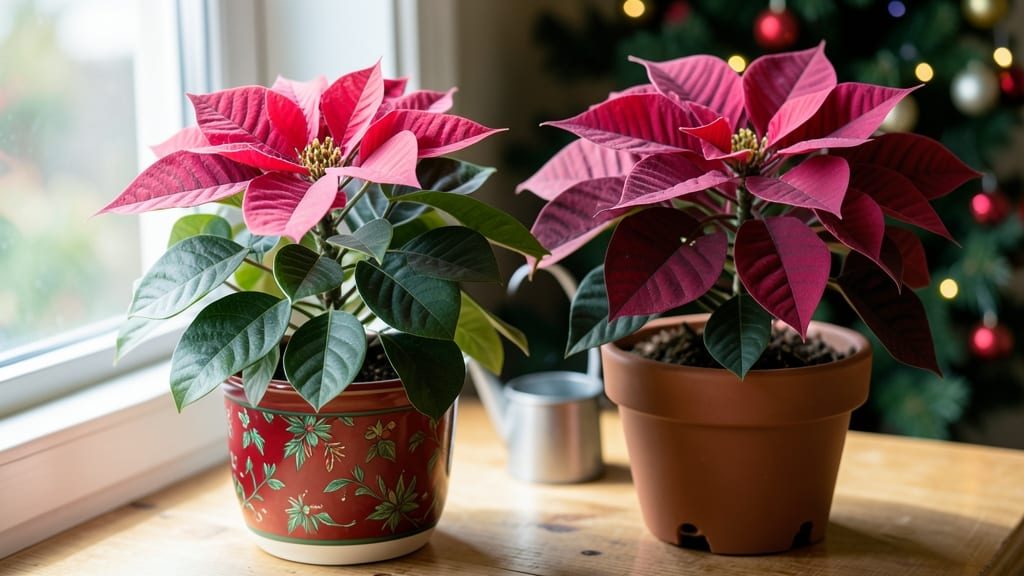
Your poinsettia can bloom year-round—not just December. 🌸 I’ve kept mine flowering through winter, spring, and even summer by controlling light and water, and I’ll show you exactly how.
Most people think these plants only last one season, but with the right care, they’ll reward you with vibrant red (or white, pink, or bicolor) bracts whenever you want.
The secret isn’t complicated—it’s about light discipline. Poinsettias need 12+ hours of darkness daily for 6-8 weeks before blooming, and they hate drafts or temperature swings. Start with a healthy plant, give it bright (but indirect) light, and keep the soil slightly moist—never soggy.
Prune leggy stems in spring to encourage bushier growth, and you’ll set yourself up for continuous color.
By summer, you’ll see new growth, and with proper care, those growth points will develop into buds by fall. The payoff? A showstopping plant that never fades into a sad, brown mess. No more throwing it out after the holidays—this is your year-round star.
Works for all poinsettia varieties, whether you’re growing one plant or a whole collection. Let’s get yours blooming on schedule—no guesswork, just results.
📚 In This Guide
- What you need
- Instructions
- Tips and common mistakes
- Wrapping up and next steps
What you need
- ● Poinsettia plant: 1 healthy store-bought poinsettia (look for unopened buds or blooming plants in late fall)
- ● OR 1-2 poinsettia cuttings (4-6 inches long, with at least 2 leaf nodes)
- ● Growing medium: Well-draining potting mix (e.g., African violet mix or a blend of 50% peat moss, 30% perlite, and 20% vermiculite)
- ● 1-2 6-inch pots (for cuttings) or a 10-12 inch pot (for mature plants)
- ● Tools: Sharp pruning shears or clean scissors
- ○ Rooting hormone (optional but recommended for cuttings)
- ● Spray bottle (for misting)
- ○ Grow lights (optional—LED full-spectrum bulbs work best for indoor growth)
- ● Light: Bright, indirect sunlight (6-8 hours/day). South- or west-facing windows are ideal.
- ● Temperature: Keep between 65–75°F (18–24°C) during the day and 60–65°F (15–18°C) at night for optimal blooming.
- ● Humidity: 50–70% (use a humidity tray or pebble tray if your home is dry).
- ● Patience: Poinsettias need 12–14 hours of darkness daily for 6–8 weeks to trigger blooming (more on this in the care steps!).
- ● Fertilizer: Balanced liquid fertilizer (10-10-10 or 20-20-20), diluted to half-strength
- ● Mulch: Orchid bark (for drainage and aeration)
- ● Thermometer/hygrometer: To monitor temperature and humidity precisely
- ● Decorative pot: For a festive touch (ensure it has drainage holes!)
Step-by-Step instructions for encouraging poinsettia blooms year-round
Here's the straightforward method I've used to keep poinsettias flowering reliably—no black magic, just light control and patience.
🌱 Step 1: Select a Healthy Plant and Provide Ideal Growing Conditions
Start with a 4-6 inch poinsettia with vibrant, healthy foliage and no visible pests. These plants thrive in bright, indirect light—think east-facing windows or a few feet from a south window. Direct sunlight will scorch the leaves, while dim light causes weak, leggy growth.
Keep temperatures between 65-75°F during the day and no lower than 55°F at night. Drafts from doors or windows will stress the plant. I like to place mine near a kitchen window where it gets morning light but afternoon shade from nearby plants.
☀️ Step 2: Master the Light Cycle for Flower Induction
This is where most people stumble—poinsettias need 14 hours of complete darkness each night for 55-60 days to set buds. Start this cycle in early October to have blooms by Christmas, or adjust timing for other seasons. Cover the plant with a black plastic bag or place it in a dark closet from 5 PM to 8 AM daily.
Here's the trick: even a tiny bit of light during this period will prevent flowering. I use an opaque box with a timer-controlled light inside to ensure absolute darkness. Watch for the first color changes in the bracts—those are your first signs of success.
💧 Step 3: Maintain Consistent Watering and Fertilization
Water when the top inch of soil feels dry, using room-temperature water. Overwatering causes root rot, while underwatering leads to yellow leaves. I like to water from the bottom by placing the pot in a saucer of water for 10-15 minutes, then letting it drain completely. This prevents soggy soil while ensuring roots get moisture.
Feed with a balanced 10-10-10 fertilizer diluted to half-strength every 2-3 weeks during the growing season. Reduce to monthly applications once buds form. Never fertilize a stressed plant—wait until it shows new growth before adding nutrients.
✂️ Step 4: Prune and Shape for Next Year's Growth
After blooms fade, cut back stems to 4-6 inches above the base. This encourages bushier growth next season. I prune in late winter or early spring, right after the plant finishes flowering. Remove any dead or yellowing leaves completely, but leave healthy foliage to photosynthesize.
Pinch back new growth tips when they reach 4-6 inches to encourage branching. This creates a fuller plant with more potential blooms. Don't skip this step—many gardeners let their poinsettias grow leggy because they forget to pinch, and then wonder why they get only one or two stems next year.
🌿 Step 5: Transition to Normal Care After Flowering
Once the bracts turn brown, cut the stems back again to 2-3 inches above the base. This rejuvenates the plant for next year's cycle. Move it to a bright location and resume regular watering. You'll see new growth emerge within 4-6 weeks—that's your signal everything is working.
Here's where it gets fun: with proper care, your poinsettia can live for years and flower reliably. The key is consistency—stick to the light cycle, don't let it get stressed, and you'll have vibrant color whenever you want it. I've had the same plants flowering for five years now!
Tips & tricks for perfect poinsettia blooms
Real talk: poinsettias are finicky but forgiving—once you master these key tricks, you'll have vibrant color whenever you want it.
Darkness is Non-Negotiable: That 14-hour nighttime darkness in Step 2 is the single most critical factor for flowering. I learned this the hard way after years of plants refusing to bloom—even a single flash of light during this period will abort bud formation. Use a timer-controlled light in your dark closet to ensure absolute darkness, and seal any gaps with black tape. The first color change in the bracts (those colorful leaves) is your reward for perfect darkness.
Temperature Matters More Than You Think: Maintain that 65-75°F daytime range and never let nighttime temps drop below 55°F. I keep my plants near a south-facing window during the day, then move them to a warmer spot at night if the house gets chilly. Drafts from doors or AC vents can stress the plant, causing buds to drop. A simple thermometer near your plant helps track conditions—consistency is everything.
Pruning Pays Off Long-Term: When you cut back those stems to 4-6 inches in Step 4, you're not just cleaning up—you're setting up next year's success. I prune right after blooms fade, then pinch new growth at 4-6 inches to encourage bushier growth. This creates multiple stems instead of one leggy plant. The key is timing: do this in late winter/early spring when the plant is actively growing, not during dormancy.
Watering Wisdom: That 10-15 minute bottom-watering method in Step 3 prevents soggy soil while ensuring roots get moisture. I've found that poinsettias actually prefer slightly drier conditions than most houseplants—let the top inch dry out completely between waterings. Yellow leaves usually mean overwatering, while crispy edges signal underwatering. Use room-temperature water to avoid shocking the roots.
Pro Tips for Make Poinsettia Flower
- Real talk: poinsettias are finicky but forgiving—once you master these key tricks, you'll have vibrant color whenever...
- Darkness is Non-Negotiable: That 14-hour nighttime darkness in Step 2 is the single most critical factor for flowerin...
- Temperature Matters More Than You Think: Maintain that 65-75°F daytime range and never let nighttime temps drop below...
Frequently asked questions
about growing and caring for poinsettias will help you keep your plants thriving year-round! Here are some of the most common concerns:Can I grow a poinsettia from a store-bought plant?
Yes! Many store-bought poinsettias are grown from cuttings and can be encouraged to rebloom with proper care. After the holidays, trim the plant back to 4–6 inches, place it in bright indirect light, and maintain a consistent watering schedule. With patience and the right conditions, it can regrow and bloom again next year.
How long does it take for a poinsettia to bloom?
Poinsettias typically take about 6–8 weeks of short-day treatment (12 hours of darkness per night) to produce buds. Start this process in late summer or early fall by moving your plant to a dark closet or room for 14 hours each night. Consistency is key—skip this step, and your plant may not bloom on schedule!
Why are my poinsettia leaves turning yellow or dropping?
Yellowing or dropping leaves are often signs of overwatering, underwatering, or environmental stress. Check the soil—it should be slightly moist but not soggy. Ensure good drainage and avoid placing the plant near drafts, heaters, or cold windows. Adjust care based on the season, as poinsettias are sensitive to sudden temperature changes.
Can I propagate a poinsettia from cuttings?
Take 4–6 inch cuttings from healthy stems in early spring, remove the lower leaves, and dip the ends in rooting hormone. Place them in moist potting mix or water, keeping them in bright, indirect light. Roots should form in 2–4 weeks. This is a great way to expand your poinsettia collection or share plants with friends!
Are there other colorful varieties of poinsettias besides red?
Yes! Poinsettias come in a rainbow of colors, including pink, white, salmon, and even variegated varieties. Look for unique options like 'Premier Red,' 'Ice Punch' (white), or 'Winter Rose' (pink). These varieties follow the same care guidelines but add beautiful diversity to your holiday decor.
Wrapping up and next steps
Growing poinsettias year-round is easier than you think—just follow the right steps!
With the right light, water, and a little patience, you’ll enjoy vibrant blooms that last beyond the holidays. Don’t stop here! Experiment with different varieties, share your progress with fellow plant lovers, or even gift a cutting to a friend. Your green thumb is growing—keep nurturing it! 🌸
🌱 Next Steps:
- Try propagating your poinsettia to expand your collection.
- Join plant communities for tips and inspiration.
- Celebrate your success! Your hard work deserves a reward.