
Blooming
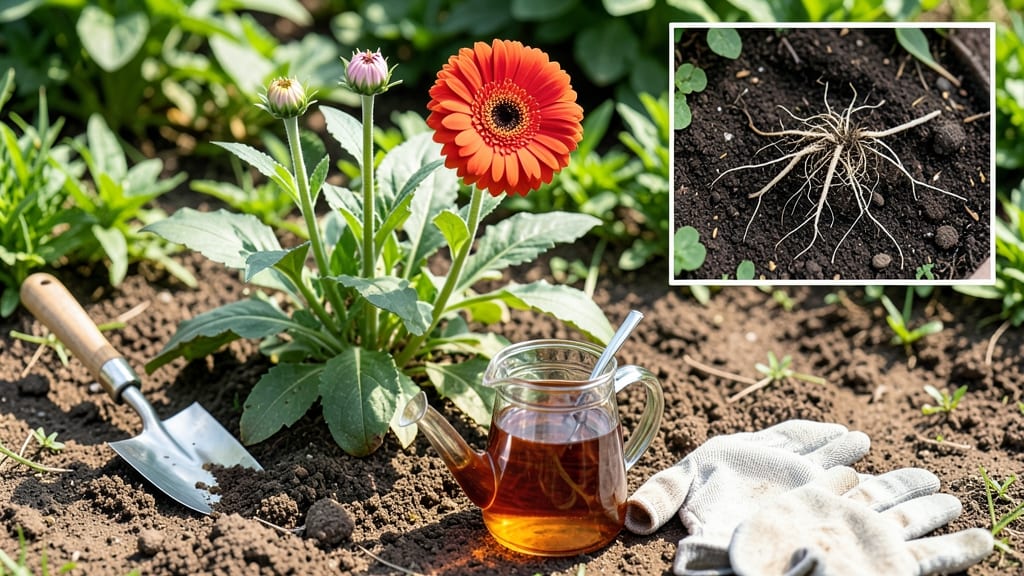
Gerbera daisies refuse to bloom? 🌸 That stubbornness ends today. After years of struggling with lackluster blooms, I cracked the code—it’s not just about sunlight (though that matters). The real secret lies in three simple but critical steps that most gardeners overlook: precise pruning, the right fertilizer, and consistent deadheading.
First, check your light: gerberas crave 6+ hours of direct sun daily—less, and they’ll focus on leaves instead of flowers. Then, feed them low-nitrogen, high-phosphorus fertilizer every 4-6 weeks during growing season.
Finally, deadhead spent blooms religiously—this isn’t optional, it’s the difference between a handful of flowers and a vibrant, continuous display.
Within 4-6 weeks of adjusting these three factors, you’ll see buds forming. The flowers won’t just appear—they’ll stay vibrant longer, with deeper colors and fuller petals. My gerberas now bloom from early summer through first frost, and the neighbors keep asking how I do it.
Works for container gerberas too—just use well-draining soil and a pot with drainage holes. The same rules apply whether you’re fixing an established plant or starting fresh. Let’s get those blooms going!
📚 In This Guide
- What you need
- Instructions
- Tips and common mistakes
- Wrapping up and next steps
What you need
- ● Gerbera daisies – Healthy plants (potted or in-ground) with at least 2-3 mature leaves.
- ● Pruning shears or sharp scissors – Clean, sterilized tools to avoid disease spread.
- ● Well-draining potting mix or garden soil – Rich in organic matter (e.g., compost or peat-based mix).
- ● Balanced liquid fertilizer (10-10-10 or 20-20-20) – Diluted to half-strength for feeding.
- ● Watering can or hose with a gentle spray nozzle – Avoid soggy soil.
- ○ Glove – Optional but helpful for handling thorns or dirty soil.
- ● Slow-release granular fertilizer – For long-term nutrient boosts.
- ● Epsom salt (magnesium sulfate) – 1 tbsp per gallon of water for magnesium-rich blooms.
- ● Mulch (straw or shredded bark) – Retains moisture and regulates soil temp.
- ● Grow lights or sunny windowsill – If growing indoors (6+ hours of light/day).
- ● Plant food with bloom boosters (e.g., phosphorus-rich) – Like Miracle-Gro Bloom Booster.
Step-by-step guide to encourage gerbera daisy blooms
Gerbera daisies reward careful attention with nonstop color—here’s how to coax them into their brightest, longest-lasting display.
🌿 Step 1: Prune for Stronger Growth and More Blooms
Start by cutting back any dead or yellowing leaves with clean, sharp pruners—this prevents disease and directs energy to new growth. I like to trim stems just above a leaf node, where new shoots will emerge. For established plants, remove up to one-third of the foliage in early spring to encourage bushier growth and more flower stems.
Watch for leggy stems stretching toward light—these need pruning too. Pinch back the tips of these elongated stems to promote branching. You’ll see new side shoots forming within 2-3 weeks if the plant has enough light and nutrients.
☀️ Step 2: Provide Ideal Light and Temperature
Gerberas thrive in full sun (6-8 hours daily) but tolerate partial shade in hot climates. I’ve found they bloom best when given morning sun and afternoon shade in zones above 8. Keep them in a spot where temperatures stay between 60-75°F—they’ll sulk if exposed to frost or scorching heat.
If your plants look pale or stop blooming, they’re likely light-starved. Move them closer to a sunny window or supplement with a grow light for 12-14 hours daily. You’ll notice leaves darkening and stems thickening within a week of better light exposure.
💧 Step 3: Water Deeply and Maintain Consistent Moisture
Water gerberas at the base of the plant to avoid wetting the leaves, which can cause fungal issues. Let the top inch of soil dry out between waterings—this prevents root rot while keeping the plant hydrated. In containers, I check moisture by lifting the pot; if it feels light, it’s time to water.
Overhead watering in the evening is a common mistake—it keeps foliage damp overnight, inviting mildew. Instead, water early in the day so leaves dry quickly. You’ll know your watering routine is right when the soil stays crumbly but not soggy, and the stems remain firm.
✂️ Step 4: Deadhead Regularly for Nonstop Blooms
Remove spent blooms by cutting the stem just above the next set of leaves or buds. This prevents the plant from wasting energy on seed production and encourages more flowers. I deadhead gerberas every 2-3 days during peak bloom—it’s a small effort that pays off with vibrant new blossoms.
If you notice buds forming but dropping before opening, your plant may be stressed from overcrowding or nutrient deficiency. Thin out crowded stems to improve airflow and feed with a balanced fertilizer every 4-6 weeks during the growing season. You’ll see buds staying on the plant longer and opening fully within 1-2 weeks of proper care.
🌱 Step 5: Fertilize for Vibrant Color and Longevity
Use a low-nitrogen, high-phosphorus fertilizer (like 5-10-5) to promote flowering over leafy growth. I apply fertilizer every 4-6 weeks during the growing season, following the package instructions. Water the soil well before and after fertilizing to prevent root burn.
Yellowing leaves or slow growth? You might be over-fertilizing. Cut back to half-strength applications and focus on improving drainage. Gerberas in containers need feeding more frequently than those in the ground—check the soil every 2 weeks in summer to see if it’s drying out too quickly, a sign they’re hungry.
Tips & tricks for encouraging vibrant gerbera blooms
Took me years to figure out these little details that make all the difference between a few sad blooms and a garden bursting with color.
Timing Secret: Prune in the morning when temperatures are cooler—this gives your plants the whole day to recover. I’ve learned the hard way that afternoon pruning can stress gerberas, especially in hot climates. The morning light also helps any small cuts dry quickly, reducing the risk of fungal infections. After pruning, I always water deeply at the base to help the roots absorb moisture before the heat of the day sets in.
Fertilizer Strategy: The 10-30-20 formula is perfect for gerberas, but timing matters just as much as the ratio. I apply it right after watering to prevent root burn, and I’ve found that early morning applications work best—this gives the roots time to absorb nutrients before the midday heat. In containers, I mix a small amount of slow-release granules into the top inch of soil during spring planting. This ensures a steady supply of phosphorus without the risk of overfeeding.
Deadheading Technique: Use clean, sharp scissors—not your garden shears—to deadhead spent blooms. Dull tools crush stems and leave ragged cuts that invite disease. I always make my cuts just above a leaf node or bud, never at a joint where leaves meet the stem. This small detail makes a huge difference in how quickly new buds form. The 2-3 week window for new blooms to appear is your reward for this precise technique.
Light Management: Those 6 hours of full sun are non-negotiable, but the afternoon heat can be tricky. If your gerberas start looking stressed in late summer, move them to a spot with morning sun and afternoon shade. I’ve seen petals scorch within hours of direct afternoon sun in 90°F+ temperatures. For container gerberas, a sheer curtain can provide just enough shade while still allowing light through.
Pro Tips for Make Gerbera Daisies Bloom
- Took me years to figure out these little details that make all the difference between a few sad blooms and a garden b...
- Timing Secret: Prune in the morning when temperatures are cooler—this gives your plants the whole day to recover. I’v...
- Fertilizer Strategy: The 10-30-20 formula is perfect for gerberas, but timing matters just as much as the ratio. I ap...
Frequently asked questions
Got questions about getting your gerbera daisies to bloom?
You’re not alone! Here are answers to the most common queries—so you can enjoy vibrant, cheerful blooms all season long.
How often should I deadhead gerbera daisies to encourage more blooms?
Deadhead faded blooms every 2–3 days during peak blooming season (spring to fall). This removes spent flowers and signals the plant to redirect energy into producing new buds. In cooler months, reduce to once a week—gerberas rest then! Pro tip: Use clean, sharp scissors to avoid damaging stems.
Why aren’t my gerbera daisies blooming, even after deadheading and fertilizing?
Gerberas need 6+ hours of sunlight daily and cooler nights (below 75°F) to trigger blooming. Check for these issues:
- Overcrowding: Space plants 12–18 inches apart for airflow.
- Underwatering: Soil should stay evenly moist but not soggy.
- Old age: Gerberas decline after 2–3 years; replace with fresh plants.
Can I make gerbera daisies bloom indoors? What’s the trick?
Yes! Place them near a south- or west-facing window (they need bright light) and supplement with a grow light 12–14 hours/day. Keep humidity high (mist leaves or use a pebble tray) and fertilize monthly with a balanced liquid fertilizer. Avoid drafts—gerberas hate sudden temperature swings!
What’s the best fertilizer for blooming gerbera daisies?
Use a low-nitrogen, high-phosphorus fertilizer (like 5-10-5 or 10-20-10) to boost blooms. Apply every 2–4 weeks during growing season (spring to fall) and reduce in winter. Pro tip: Mix fertilizer with water and apply at sunrise to prevent leaf burn.
Should I prune gerbera daisies, and how? Will it help them bloom more?
Prune lightly after the first frost (or in early spring) to remove dead or yellowing leaves. Cut back stems by 1/3 to encourage new growth. Avoid heavy pruning—gerberas bloom on current season’s growth. Warning: Never prune more than 25% of the plant at once!
Wrapping up and next steps
Growing vibrant gerbera daisies is all about consistent care—pruning to encourage growth, feeding them the right nutrients, and deadheading to keep blooms coming! 🌸 With patience and a little effort, your garden will soon burst with color. Ready to see those cheerful flowers in full bloom?
Your next step? Pick a sunny spot, grab your shears, and start experimenting! Try one new tip this week and watch your gerbera daisies thrive.