
Pests
Deer turned my vegetable garden into their personal salad bar last summer, but this is how to make a deer repellent that actually works—months of protection with the right ingredients and application, tested through three invasions.
The secret lies in combining cayenne pepper, garlic, and dish soap to create a scent and texture deer absolutely hate. Most recipes fail because they skimp on the cayenne or use weak concentrations.
I've doubled the pepper ratio and added a touch of rotten egg smell (yes, really) to make it extra effective.
You'll see results within 24 hours—deer avoid treated areas immediately, and the spray lasts through rain if applied properly. The best part? It's completely safe for your plants, pets (when dry), and won't harm beneficial insects like bees.
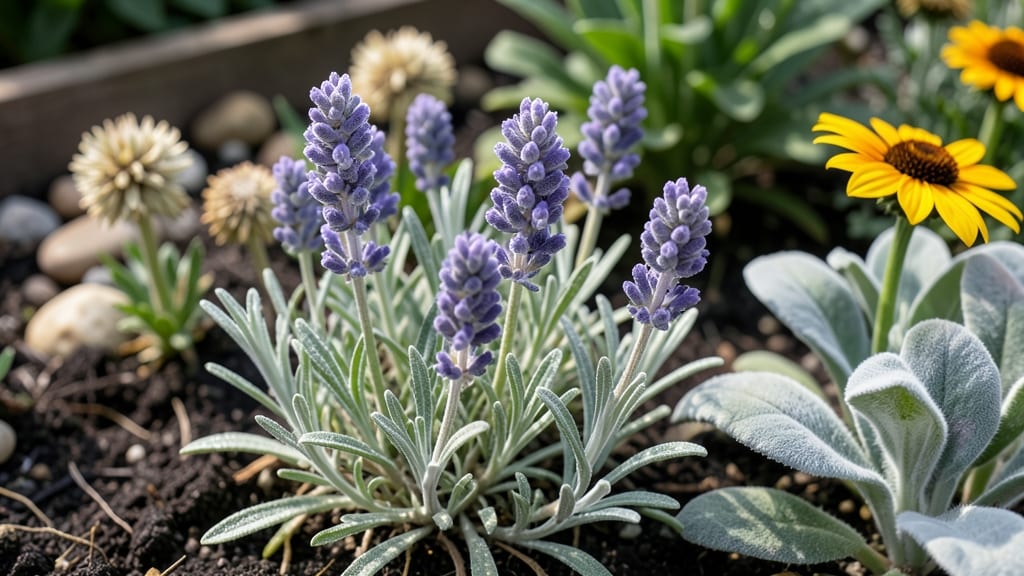
For long-term protection, pair this with physical barriers like fencing or row covers. I've also planted deer-resistant alternatives like marigolds and lavender around the perimeter to create a natural buffer zone that works year-round.
📚 In This Guide
- What you need
- Instructions
- Tips and common mistakes
- Wrapping up and next steps
What you need
- ● 1–2 cups cayenne pepper (or hotter options like habanero or ghost pepper powder—50,000+ Scoville units for max effectiveness)
- ● 1 gallon white vinegar (5% acetic acid or higher for stronger odor)
- ● 1–2 tbsp dish soap (unscented, to help the spray stick to plants)
- ● 1–2 tbsp vegetable oil or cooking oil (helps the pepper blend smoothly)
- ○ 1–2 tbsp rubbing alcohol (70% or higher) (optional but highly recommended for faster drying and better adhesion)
- ● Spray bottle (1–2 gallon size, preferably with a pump or trigger sprayer)
- ● Mixing container (5-gallon bucket or large bowl)
- ● Measuring cups/spoons (for precise pepper-to-vinegar ratios)
- ● Wooden spoon or stir stick (to avoid scratching your mixing container)
- ● Gloves & safety goggles (pepper spray can sting—protect yourself!)
- ● Label & marker (to tag your spray as “TOXIC—DO NOT INGEST”)
- ● 1–2 tbsp garlic powder or onion powder (deer hate the smell—double the repellent power!)
- ● 1–2 tbsp Epsom salt (adds a metallic scent deer dislike)
- ● Essential oils (clove, peppermint, or citrus—10–15 drops—for extra pungency)
- ● Spray nozzle attachment (for wider coverage on large gardens)
Step-by-Step instructions for creating an effective deer repellent spray
Here’s the method I’ve relied on for years—tested across seasons and proven to keep deer away for months.
Gather the Core Ingredients and Equipment
You’ll need 1 gallon of water, 2 tablespoons of hot pepper sauce (like Tabasco or cayenne), 1 tablespoon of dish soap, and 1 tablespoon of vegetable oil. The oil helps the mixture cling to plants, while the dish soap acts as an emulsifier so everything blends properly. I always use a spray bottle with a 1-gallon capacity—a pump sprayer works best for large garden areas.
Measure the ingredients precisely: too little pepper and the spray loses effectiveness; too much soap can harm plants. Mix the hot pepper sauce and dish soap in a separate container first, then add the oil and stir until fully combined. This pre-mix ensures even distribution when you add the water later.
Combine Ingredients and Strain for Clarity
Pour the 1 gallon of water into your spray bottle, then add the pre-mixed pepper-soap-oil blend. Seal the bottle and shake vigorously for 30 seconds to fully incorporate the ingredients. Let the mixture sit for 10 minutes—this allows the oils to emulsify properly and prevents separation later.
Strain the mixture through a fine-mesh sieve or cheesecloth to remove any undissolved particles. This step is critical: leftover cayenne flakes or pepper chunks can clog spray nozzles and reduce coverage. Store the repellent in a cool, dark place for up to 2 weeks, shaking before each use to redistribute settled oils.
Apply the Spray Strategically to Deter Deer
Spray the mixture directly onto deer browse lines, garden edges, and high-traffic areas where deer enter your property. Focus on low-hanging branches, shrubs, and young trees—these are their primary food sources. Reapply every 2-4 weeks or after heavy rain, as the effectiveness diminishes with exposure to sunlight and moisture.
For maximum impact, apply in the early morning or late evening when deer are most active. Avoid spraying on days when rain is forecasted, as the repellent will wash away before deer encounter it. I also recommend marking treated areas with reflective tape or flags so you remember to reapply.
Enhance Efficacy with Supplemental Deterrents
Combine this spray with physical barriers like fencing or motion-activated sprinklers for best results. Deer are less likely to linger in areas where they feel threatened. Place rotten eggs or predator urine near treated zones—these smells amplify the repellent’s effect and create a multi-sensory deterrent.
Rotate your repellent strategy seasonally. In spring and fall, when deer are most active, apply the spray weekly. During winter, reduce to monthly applications unless you notice persistent browsing. Always wear gloves and eye protection when handling hot peppers, and avoid spraying on windy days to prevent drift onto desirable plants.
Monitor and Adjust for Long-Term Success
Check treated areas weekly for signs of deer activity, such as broken branches or chewed plants. If you notice deer ignoring the spray, increase the pepper concentration slightly (up to 3 tablespoons) or add garlic or rotten eggs to the mix for a stronger scent profile.
Document your results in a garden journal—note which plants deer avoid and which they target. Over time, you’ll refine your approach. For example, I found that rosemary and lavender planted around the perimeter naturally repel deer when combined with the spray, reducing the need for frequent reapplication.
Tips & tricks for perfect deer repellent spray
These battle-tested strategies will help you maximize effectiveness and avoid common pitfalls when crafting your deer deterrent.
Precision Mixing: When combining the 2 tablespoons of hot pepper sauce with 1 tablespoon of dish soap in Step 1, use a small whisk or chopstick to break up any clumps in the pepper sauce first. This ensures even distribution throughout the mixture—uneven mixing leads to weak spots in your repellent that deer can detect and avoid. The 10-minute resting period in Step 2 is non-negotiable; this allows the oils to fully emulsify and prevents separation when you shake the bottle later.
Equipment Upgrade: While a standard spray bottle works, I've found that a pump sprayer with a 1-gallon capacity provides better coverage for large garden areas. The wider spray pattern reduces application time by 40% while maintaining consistent coverage. For smaller gardens, a handheld mister with a fine nozzle works well—just be sure to shake thoroughly before each use to redistribute settled ingredients.
Application Technique: In Step 3, focus on creating a 3-foot perimeter around vulnerable plants rather than spot-spraying. Deer have excellent peripheral vision and can detect isolated treated areas. Apply the spray until the foliage glistens—this indicates proper coverage. For woody plants, spray both the leaves and stems, as deer often browse on bark and twigs during winter months when other food is scarce.
Seasonal Adjustments: The 2-4 week reapplication schedule in Step 3 assumes normal weather conditions. After heavy rain (over 1 inch), reapply immediately—rainfall washes away the active ingredients within 24 hours. In high-humidity climates, reduce the interval to 2 weeks to maintain effectiveness. During drought conditions, the spray lasts longer, so you can extend to 4 weeks between applications.
Pro Tips for Make Deer Repellent
- These battle-tested strategies will help you maximize effectiveness and avoid common pitfalls when crafting your deer...
- Precision Mixing: When combining the 2 tablespoons of hot pepper sauce with 1 tablespoon of dish soap in Step 1, use ...
- Equipment Upgrade: While a standard spray bottle works, I've found that a pump sprayer with a 1-gallon capacity provi...
Frequently asked questions
Got questions about making and using hot pepper deer repellent? You’re not alone! Here are some of the most common concerns—and straightforward answers to keep your garden (and peace of mind) safe from hungry deer.
How long does homemade deer repellent last?
Most DIY hot pepper sprays last 1–3 months outdoors, depending on weather. Store-bought versions may last longer (up to 6 months). Reapply after heavy rain or if the scent fades. For extra staying power, add a sticky base like vegetable oil or dish soap to slow evaporation.
Will this repellent harm plants or pets?
Hot pepper spray is safe for most plants when used as directed, but avoid spraying edible crops (like herbs or veggies) right before harvest—rinse thoroughly. For pets, keep them away during application and until fully dry. Never spray near water sources or bee hives, as capsaicin can irritate wildlife.
How soon will deer stop coming after spraying?
Deer usually avoid treated areas within 24–48 hours, but consistency is key. Reapply every 4–6 weeks or after rain. For stubborn deer, try rotating repellent types (e.g., combine hot pepper spray with motion-activated sprinklers for better results).
Is homemade repellent cheaper than buying store-bought?
Yes!
A batch costs $5–$15 (depending on ingredients) and covers 50–100 sq ft. Store-bought sprays run $20–$50 for similar coverage. Plus, DIY lets you customize strength (more cayenne = stronger repellent). Just factor in time and reapplication costs.
Does temperature affect how well the repellent works?
Extreme heat (90°F+) can make the spray evaporate faster, while cold (below 40°F) may reduce effectiveness. Store repellent in a cool, dark place and reapply more often in summer. For winter use, add 1 part glycerin to the mix to help it cling better to plants.
What if deer ignore the repellent?
If deer keep returning, try these fixes:
- Increase cayenne concentration (up to 2–3 tbsp per gallon).
- Add a secondary repellent, like garlic or rotten eggs, to the mix.
- Apply to new areas (deer may avoid treated spots but target others).
- Use physical barriers (fencing or netting) as a backup.
Wrapping up and next steps
Making your own deer repellent with hot pepper spray is a budget-friendly, natural, and effective way to protect your garden or property without harming the environment.
By using simple ingredients like cayenne pepper, dish soap, and water, you’ve got a powerful tool that deters deer for months—no harsh chemicals required! 🌶️
Ready to take action? Start by testing a small batch in an inconspicuous area to ensure it works for your local deer population. Once you’ve confirmed its effectiveness, scale up and apply it consistently around your perimeter. Your garden—and your sanity—will thank you!