
How To
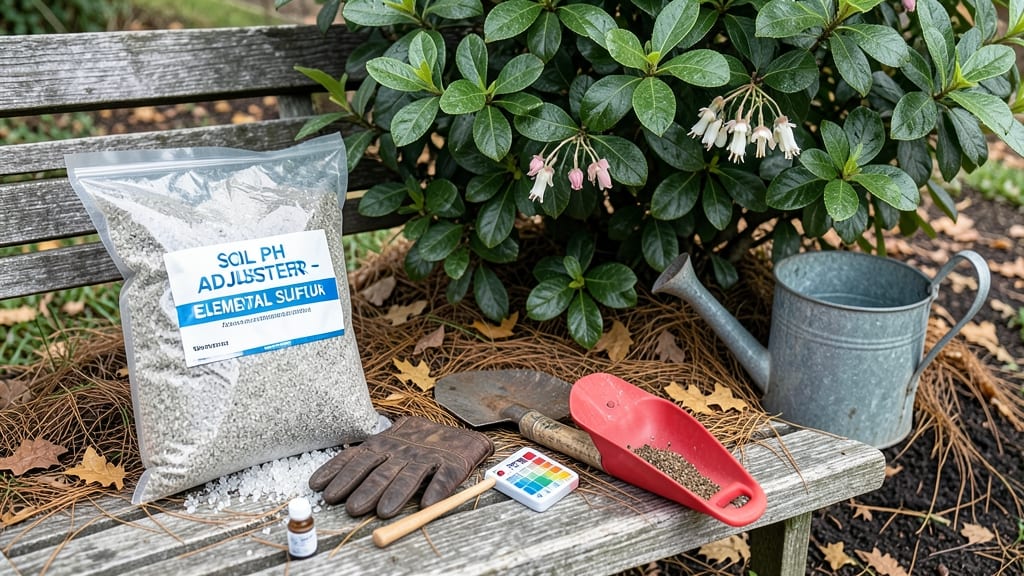
How to make acid soil for your blueberries and azaleas is easier than you think—just a weekend project with simple supplies. 🌱 Making soil more acidic isn’t rocket science—just science you can do in a weekend with simple supplies. I've turned my garden's neutral soil into perfect conditions for acid-loving plants using methods that work fast without burning your wallet.
The secret weapon is elemental sulfur, but pine needles, coffee grounds, and even vinegar (yes, the kitchen kind) can help too. Most people overshoot the acidity, so we'll focus on small, measured changes. A simple soil test kit tells you exactly how much to adjust—no guesswork, no wasted materials.
By the end of this, your garden will have the right balance for rhododendrons, hydrangeas, and other picky plants. The soil stays moist but not soggy, and you'll see new growth within weeks. No more yellowing leaves or stunted plants—just lush, thriving acid-loving greenery.
Works for containers, raised beds, or in-ground gardens. Here's how to get started without overdoing it—because even acid-loving plants can get too much of a good thing.
📚 In This Guide
- What you need
- Instructions
- Tips and common mistakes
- Wrapping up and next steps
What you need
- ● Soil pH test kit – Digital or liquid test strips to measure current soil pH (aim for 6.0 or lower for acidity).
- ● Sulfur (powdered or granular) – 1–2 lbs per 100 sq ft (organic option: elemental sulfur). Slow-acting but long-lasting.
- ● Peat moss or pine bark fines – 2–3 inches mixed into topsoil (adds organic acidity and improves drainage).
- ● Compost or well-rotted leaves – 1–2 inches (boosts organic matter and acidity over time).
- ● Garden fork or tiller – For mixing amendments into the soil 6–12 inches deep.
- ● Watering can or hose – To hydrate soil after amendments are added.
- ● Gloves & protective eyewear – For handling sulfur and soil safely.
- ● Aluminum sulfate – 1–2 lbs per 100 sq ft (fast-acting but can over-acidify; use sparingly).
- ● Coffee grounds – ½ cup per plant (adds mild acidity and nutrients; compost first to avoid mold).
- ● Wood ash (for balancing) – *Only if soil is too acidic (pH sparingly.
- ● pH-lowering fertilizer – Like Miracle-Gro Azalea/Camellia (follow label rates).
- ● Mulch (pine needles or oak leaves) – 2–3 inches to maintain acidity long-term.
Step-by-step instructions for creating acid soil for acid-loving plants
Here’s how I quickly lower soil pH for plants like azaleas, blueberries, and rhododendrons—no lab equipment needed.
🌱 Step 1: Test Your Soil’s Current pH Level
Before adding anything, grab a soil pH test kit (digital or liquid) to check your current level. Most garden centers sell these for under $10. Stick the probe or dip the test strips into moist soil, then compare the results to the color chart. Aim for a target of 4.5–6.0 for most acid-loving plants—blueberries need 4.5–5.5, while azaleas thrive at 5.0–6.0.
If your soil tests above 6.5, you’ll need to lower the pH significantly. If it’s already in the 5.5–6.0 range, just a few tweaks will do. I like to retest after each adjustment to avoid overshooting—acidic soil can become too acidic, harming plants just as much as alkaline soil.
🪴 Step 2: Amend Soil with Sulfur or Aluminum Sulfate
For a fast fix, use elemental sulfur or aluminum sulfate. Sulfur works slowly but lasts longer, while aluminum sulfate acts within 2–4 weeks. Sprinkle 1–2 pounds of elemental sulfur per 100 square feet for moderate pH drops, or ½–1 pound of aluminum sulfate per 100 sq ft for quicker results. Work it into the top 6 inches of soil using a garden fork or tiller.
Here’s the thing—sulfur needs moisture to activate, so water the soil thoroughly after applying. If your soil is dry, the sulfur won’t break down properly, and the pH won’t change. I like to add a light sprinkle of compost afterward to buffer the acidity slightly and improve soil structure.
⏰ Step 3: Use Organic Matter to Maintain Acidic Conditions
To keep soil acidic long-term, mix in pine needles, oak leaves, or peat moss. Spread a 2–3 inch layer over the soil surface and work it in lightly. These materials release organic acids as they decompose, gradually lowering pH over time. Pine bark mulch is my go-to—it’s free if you have pine trees, and it breaks down slowly, giving you 6–12 months of acidity maintenance.
For container gardens, blend ½ peat moss with ½ potting soil before planting. Peat moss holds acidity well and prevents pH spikes when watering. Just avoid overwatering—peat can compact and lose its effectiveness if soggy. A well-draining mix keeps roots happy while maintaining the right pH.
💧 Step 4: Water with Acidified Solutions (For Quick Adjustments)
For a same-day pH boost, water plants with an acetic acid or vinegar solution. Mix 1 tablespoon white vinegar per gallon of water and apply lightly to the soil—never drench, or you’ll burn roots. This method is best for small pots or new plantings where you need an immediate tweak. Repeat every 2–3 weeks if needed, but monitor pH closely.
Another trick? Use coffee grounds—they’re slightly acidic and packed with nitrogen. Sprinkle ½ cup per plant into the soil, then water in. It won’t drastically lower pH, but it helps maintain acidity over time. I save used coffee grounds from my morning brew and compost them into my blueberry beds—it’s a free, easy way to keep the soil happy.
☀️ Step 5: Monitor and Adjust Over Time
Re-test soil pH every 3–6 months, especially after rain or heavy watering—both can raise pH over time. If the soil starts creeping back up, repeat the sulfur or aluminum sulfate treatment. For container plants, flush the soil with distilled water occasionally to remove excess salts that can raise pH.
Watch your plants for signs of stress: yellowing leaves (could mean pH is too high or too low), stunted growth (often a pH imbalance), or poor flowering (a classic sign of incorrect soil chemistry). Azaleas with dark green leaves and blueberries with deep purple berries? That’s your cue—you’ve got the pH just right.
Tips & tricks for perfect acid soil Adjustments
These quick tricks will help you avoid common mistakes and get the most out of your soil acidification efforts.
Testing Frequency: Don't wait until planting season to test your soil pH. I test mine every 3-6 months—especially after heavy rains or when I notice plants looking stressed. This helps catch pH shifts before they become a problem. The digital kits are worth the small investment because they give more precise readings than the liquid test strips.
Layering Organic Matter: When using pine needles or oak leaves, chop them into smaller pieces first. This speeds up decomposition and releases those beneficial organic acids more quickly. For container gardens, I like to blend ½ peat moss with ½ potting soil before planting—this creates an ideal acidic environment right from the start. Just remember to use well-draining mixes to prevent soggy soil that can harm roots.
Application Technique: For sulfur or aluminum sulfate, spread it evenly across the soil surface before working it into the top 6 inches. I find using a garden fork makes this easier than a tiller—it gives me better control over how deep the amendments go. After applying, water thoroughly but avoid creating puddles. The sulfur needs moisture to activate, but too much water can wash it away before it has a chance to work.
Plant-Specific Adjustments: Blueberries are particularly sensitive to pH. If you're growing them, aim for 4.5-5.5—any higher and they won't produce those beautiful purple berries. For azaleas, 5.0-6.0 is perfect. I keep a small notebook by my garden where I record each plant's ideal pH range and the amendments I've used to get there.
Pro Tips for Make Acid Soil
- These quick tricks will help you avoid common mistakes and get the most out of your soil acidification efforts.
- Testing Frequency: Don't wait until planting season to test your soil pH. I test mine every 3-6 months—especially aft...
- Layering Organic Matter: When using pine needles or oak leaves, chop them into smaller pieces first. This speeds up d...
Frequently asked questions
Got questions about creating acid soil? Here are some common ones—and their answers—to help you get it right the first time!
How quickly can I lower my soil’s pH?
Lowering soil pH takes time—usually weeks to months, depending on your soil type. Sandy soils respond faster (1-2 months), while clay soils may take up to a year. Test your soil every 4-6 weeks to monitor progress and adjust as needed.
What happens if I make my soil too acidic?
Overly acidic soil (pH < 4.5) can harm plants by locking out essential nutrients like calcium, magnesium, and phosphorus. Symptoms include yellowing leaves, stunted growth, or plant death. Aim for a pH of 4.5–6.0 for most acid-loving plants and retest regularly.
Are there cheaper alternatives to sulfur or peat moss?
Yes! Try these budget-friendly options:
- Pine needles or oak leaves: Add a 2–3 inch layer to garden beds as mulch (breaks down slowly).
- Coffee grounds: Mix into soil or use as mulch (use sparingly—too much can compact soil).
- Aluminum sulfate: A cost-effective mineral amendment (follow package rates).
Can I use vinegar to acidify my soil?
No—vinegar (acetic acid) is too strong and can burn plant roots or disrupt soil microbes. Stick to organic amendments like sulfur, peat moss, or pine needles for safe, long-term results. Vinegar’s effects are temporary and unpredictable.
When is the best time to adjust soil pH?
Fall or early spring is ideal, as cooler temps help amendments break down evenly. Avoid adjusting pH in summer heat (can accelerate nutrient loss) or winter frost (slow decomposition). Plan 2–3 months before planting acid-loving crops like blueberries or azaleas.
How do I fix soil that’s already too alkaline?
If your soil is too alkaline (pH > 7.0), start by:
- Adding elemental sulfur (follow package instructions).
- Using organic matter like composted pine bark or leaf mold.
- Planting cover crops like clover or fescue to naturally lower pH over time.
Wrapping up and next steps
You’ve now got the tools and know-how to transform your soil into a thriving haven for acid-loving plants! 🌱 Whether you’re nurturing blueberries, azaleas, or hydrangeas, a little pH adjustment can make all the difference. Start small—test your soil, apply your chosen method, and monitor the changes over time.
Ready to take the next step? Grab your gardening gloves and experiment! Keep track of your progress, and don’t hesitate to tweak your approach until you see those happy plants reaching for the sky. Happy gardening! 🌿