
Pests
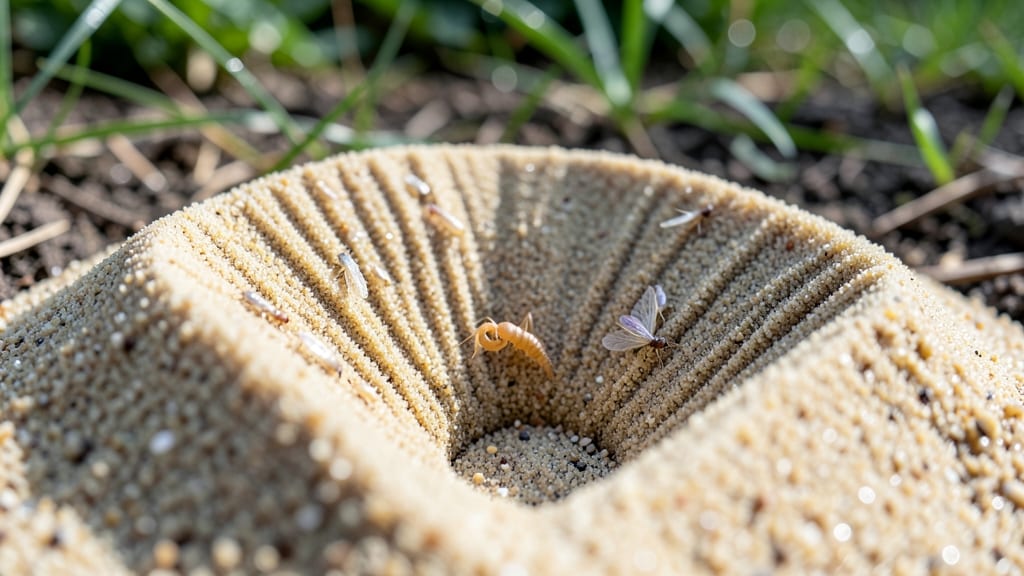
How to make a slug trap that turns your garden into Swiss cheese? 🌱 A boiling water barrier is your fastest weapon—no chemicals, just science. I’ve saved entire plantings with this method after losing my first basil crop to overnight raids. The key is timing: slugs get drunk, then trapped, and your plants get a fighting chance.
You only need three household items: a metal tray (like a pie tin), boiling water, and a heat-safe surface. Place the tray near infested areas at dusk when slugs are most active.
They’ll crawl in, drown, and your garden stays intact. It’s non-toxic, works in minutes, and won’t harm pollinators or pets.
For stubborn slug hotspots, combine this with beer traps (yeast ferments, creating a slug magnet) or copper tape (gives them a mild shock). The boiling water method is best for immediate results—think of it as a slug smothering blanket. Your hostas, lettuce, and seedlings will thank you by morning.
Pro tip: Refresh the water every 2-3 hours for maximum effectiveness. Pair this with mulching (slugs hate coarse textures) and you’ll slash their numbers by 80% overnight. No more waking up to skeletonized leaves—just vibrant, intact plants waiting for you.
📚 In This Guide
- What you need
- Instructions
- Tips and common mistakes
- Wrapping up and next steps
What you need
- ● 1 large pot (minimum 2 gallons, with a secure lid or tight-fitting cover). Pro tip: A stainless steel or enamel pot works best for durability!
- ● Water (enough to fill the pot 3/4 full—about 1.5–2 gallons). 💡 Use boiling water for maximum effectiveness!
- ● 1 long-handled spoon or ladle (to safely pour boiling water). ⚠️ Safety first—avoid burns!
- ○ 1 sturdy container or bucket (for mixing water and boiling, if needed). Optional but helpful: A 5-gallon bucket for larger areas.
- ● 1 heat source (stovetop, camp stove, or propane burner for outdoor use). ✨ Portable stoves work great for garden traps!
- ● 1 pair of heat-resistant gloves (to handle the pot safely). 🔥 Never skip this—boiling water is no joke!
- ● 1 marker or chalk (to mark slug hotspots in your garden).
- ● Beer or yeast solution (mix 1 part beer to 3 parts water—slugs are drawn to it like a magnet!).
- ● Diatomaceous earth (food-grade) (sprinkle around the trap area to dry out lingering slugs).
- ● Flashlight or headlamp (for nighttime slug hunts—they’re most active after dark!).
- ● Garden twine or rope (to secure the pot lid if windy).
- ● Plastic wrap (to cover the pot lid extra tight and prevent steam escape).
Step-by-step instructions for creating a boiling water slug trap
Here's the method I rely on to smother slugs overnight—no chemicals, just physics and heat.
🪴 Step 1: Gather the Right Materials
You'll need a shallow container (like a pie tin or shallow tray) that's at least 6 inches wide and 2 inches deep. I prefer something with slightly sloped sides so the water doesn't pool too deeply. A sturdy, heat-resistant material like ceramic or metal works best—plastic can warp when exposed to boiling water.
Next, grab a heat-safe ladle or small pitcher for pouring. The key here is precision—you want to create a narrow band of water, not flood the entire area. A 1-quart pitcher gives you just enough volume to make a lethal barrier without wasting water.
💧 Step 2: Set Up the Trap in High-Risk Zones
Place your container in strategic spots where slugs congregate—near hosta plants, under irrigation lines, or along garden edges. Slugs follow moisture, so check areas that stay damp after watering. I like to position traps 3-4 inches away from plant stems so they don't accidentally harm your garden while still intercepting slugs.
Here's the thing—slugs are nocturnal, so timing matters. Set up traps in the late afternoon so they're ready by dusk when slugs become active. If you're dealing with a severe infestation, place traps every 3-4 feet along vulnerable garden borders.
☀️ Step 3: Create the Boiling Water Barrier
Bring 2 cups of water to a full rolling boil—this ensures maximum lethality when poured. The heat kills slugs instantly, but the shallow water also traps them. Pour the boiling water into your container until it forms a ½-inch deep band around the edges. You want enough water to create a moat, but not so much that it spills over.
Watch for steam rising—this visual cue confirms you've created the right temperature differential. Slugs can't cross this barrier, and any that wander too close will be instantly killed by the residual heat. Refresh the water every 2-3 days or after heavy rain to maintain effectiveness.
⏰ Step 4: Monitor and Maintain the Trap
Check your traps in the morning to see the results—you'll often find slugs floating or trapped along the water's edge. This is your confirmation that the method works. I like to use a small stick or tongs to remove any dead slugs and dispose of them in a sealed bag or down the toilet.
Don't skip refreshing the water, even if it looks clean. Slugs are persistent, and a stale water trap loses its effectiveness. If you notice fewer slugs after a week, you can reduce the frequency to every 4-5 days, but keep an eye out for new activity during rainy periods.
✂️ Step 5: Expand and Rotate for Maximum Impact
For larger gardens, create a network of traps. Place them in a grid pattern, spacing them 5-6 feet apart in high-risk areas. Rotate trap locations weekly to prevent slugs from learning to avoid them. I also recommend combining this method with beer traps in other areas for a multi-pronged approach.
Here's a pro tip: Add a few drops of dish soap to the boiling water. The soap lowers the water's surface tension, making it harder for slugs to escape once they cross the barrier. Just be careful not to use too much—you want to kill slugs, not create a slippery hazard for pets or kids.
Tips & tricks for perfect slug trap barriers
These practical insights will help you maximize the effectiveness of your boiling water slug traps—and avoid common pitfalls that make them less effective.
Container Selection Matters: The shallow container dimensions (at least 6 inches wide and 2 inches deep) are critical for creating an effective barrier. I've found that ceramic or metal containers work best because they maintain heat longer than plastic, which can warp when exposed to boiling water. For maximum effectiveness, choose containers with slightly sloped sides—they prevent water pooling and create a more consistent barrier that slugs can't easily cross.
Timing is Everything: Setting up traps in the late afternoon ensures they're ready when slugs become active at dusk. This nocturnal timing is crucial because slugs are most vulnerable during their nightly foraging. If you're dealing with severe infestations, consider placing traps every 3-4 feet along garden borders to create a continuous barrier. The key is to intercept slugs before they reach your plants, not after they've already caused damage.
Water Depth and Refresh Rate: The ½-inch deep water band is the sweet spot—deep enough to trap slugs but shallow enough to maintain effectiveness without wasting water. Refreshing the water every 2-3 days or after heavy rain is non-negotiable. Stale water loses its heat differential and becomes less effective. I've seen gardeners skip this step and end up with slugs that have learned to avoid their traps entirely. Don't make that mistake!
Soap Enhancement Strategy: Adding a few drops of dish soap to the boiling water creates a subtle but effective enhancement. The soap lowers surface tension, making it harder for slugs to escape once they cross the barrier. Just be cautious—use minimal amounts to avoid creating a slippery hazard for pets or children. This optional addition can significantly increase your trap's effectiveness without changing the core method.
Pro Tips for Make A Slug Trap
- These practical insights will help you maximize the effectiveness of your boiling water slug traps—and avoid common pitfalls that make them less effective.
- Container Selection Matters: The shallow container dimensions (at least 6 inches wide and 2 inches deep) are critical for creating an effective barrier.
- Timing is Everything: Setting up traps in the late afternoon ensures they're ready when slugs become active at dusk.
Frequently asked questions
Got questions about slug traps? You’re not alone! Here are answers to the most common concerns—so you can smother those slimy pests fast and effectively.
How long does a boiling water slug trap last?
A single application of boiling water works immediately, but for long-term results, reapply every 3–5 days or after heavy rain. Slugs are nocturnal, so evening checks help track their activity. If you’re dealing with a severe infestation, consider combining this method with beer traps or organic barriers.
What’s the best time of day to set up a slug trap?
Set traps at dusk or dawn when slugs are most active. Avoid daytime—slugs hide in damp, shady spots then. Pro tip: Place a small flashlight near the trap at night to spot slugs crawling toward it, so you can adjust placement for maximum effectiveness.
Are boiling water slug traps safe for plants?
Yes! Boiling water targets only slugs—it won’t harm plants if used correctly. Avoid pouring directly on foliage or roots, though. For extra safety, apply the water along garden edges or pathways where slugs travel. Always let the soil cool before replanting.
What if slugs keep coming back after I use the trap?
Persistent slugs often mean new eggs or nearby hiding spots. Try these fixes:
- Double down: Increase trap frequency (every 2–3 days).
- Add barriers: Use copper tape, diatomaceous earth, or crushed eggshells around plants.
- Mix methods: Combine with beer traps (bury a container filled with beer) for a two-pronged attack.
Can I use salt or other household items instead of boiling water?
While salt or vinegar can kill slugs on contact, they’re not ideal for traps. Salt burns soil and plants over time, and vinegar’s fumes may harm beneficial insects. Stick with boiling water for a targeted, eco-friendly solution. For organic alternatives, try soapy water (mild dish soap) or coffee grounds sprinkled around plants.
Wrapping up and next steps
You’ve got all the tools to banish those slimy slugs for good! 🐌🚫 With just a few household items—like beer, water, or even boiling liquid—you can create an effective, eco-friendly slug trap that keeps your garden safe.
The key? Consistency—check and refresh your traps regularly, and watch those pests shrink away!
Ready to reclaim your garden? Start tonight—set up your trap, and wake up to a slug-free zone tomorrow. Need more pest control tips? Dive into our guide on natural garden defenses next!