
Landscaping
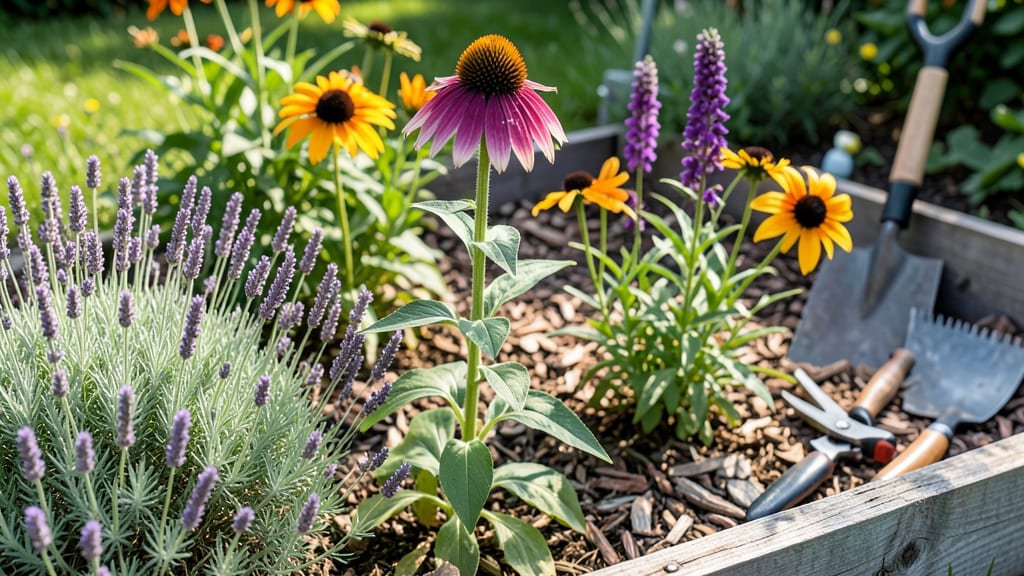
Landscaping a flower garden that thrives year-round starts with one bold choice: prioritizing perennials over annuals. 🌸 After years of swapping out bedding plants every season, I finally designed beds that need minimal work—just a little deadheading and mulching to keep the color flowing from spring through frost.
The payoff? A garden that feels like a living painting, not a chore list.
Good soil and smart spacing solve 90% of flower garden problems. I test my soil first (pH matters more than you think) and mix in compost to give roots a fighting chance.
Then I group plants by sunlight needs and height—tall blooms at the back, mid-size in the middle, and spillers like lobelia or ajuga at the front. This creates that wow factor without requiring constant pruning or staking.
By the end of summer, you’ll have beds that look intentional, not haphazard. The secret is layering: mix shrubs for structure, perennials for seasonal interest, and annuals only where they’ll shine (like containers or focal points).
Even in small spaces, this approach works—think vertical gardens or raised beds if your yard is tight.
Here’s the best part: once established, these designs need less than an hour a week to maintain. We’ll cover the exact plant combos, hardscaping tricks (like gravel paths that reduce weeds), and a simple checklist to avoid common mistakes—like crowding plants or ignoring drainage.
Ready to transform that patch of dirt into something stunning?
📚 In This Guide
- What you need
- Instructions
- Tips and common mistakes
- Wrapping up and next steps
What you need
- ● Measuring tape & stakes – For precise layout planning (10–20 stakes, depending on garden size).
- ● Shovel & spade – A sturdy digging shovel (18–24") and a border spade (12") for edging.
- ● Garden fork – For breaking up compacted soil (18" length).
- ● Wheelbarrow or bucket – For hauling soil, mulch, or debris (5+ gallons).
- ● Pruners (bypass or anvil) – Sharp, clean tools for trimming plants (one pair).
- ● Garden hose with spray nozzle – For watering (50+ ft. reach).
- ● Gloves (heavy-duty) – Protect your hands from thorns and dirt (2–3 pairs).
- ○ Knee pads or cushion – Comfort for long hours of kneeling (optional but recommended!).
- ● Topsoil or garden soil – 1–2 cubic yards (depends on garden size; test soil pH first!).
- ● Compost or organic matter – 2–3 bags (improves drainage and nutrients).
- ● Mulch (shredded bark, pine straw, or gravel) – 2–3 bags (retains moisture, suppresses weeds).
- ● Slow-release fertilizer – Granular or organic (e.g., 10-10-10 or compost-based).
- ● Flower seeds or nursery plants – Choose low-maintenance varieties like: Perennials: Coneflowers, Black-Eyed Susans, Lavender
- ● Annuals: Marigolds, Petunias, Zinnias
- ● Bulbs: Daffodils, Tulips, Daylilies (for seasonal color)
- ● Garden markers or labels – For tracking plant names (reusable stakes or flags).
- ● Edging tools or metal edging – Keeps mulch in place (e.g., flexible plastic or copper).
- ● Decorative stones or stepping stones – Adds structure and charm (varies by design).
- ● Drip irrigation kit – Saves time and water (automated systems available).
- ● Birdhouses or feeders – Encourages pollinators and adds life to your garden! 🐦
Step-by-step instructions for designing a low-maintenance flower garden
Here’s how I create vibrant, seasonal gardens that thrive with minimal fuss—no green thumb required.
🌱 Step 1: Map Your Garden’s Sunlight and Soil
Start by observing your space for at least a week. Note where sunlight hits hardest (full sun = 6+ hours daily) and where it lingers in shade (partial = 3-6 hours, full = <3 hours). I sketch a quick map, marking these zones—this determines which plants will flourish. Test your soil’s drainage by digging a 6-inch hole, filling it with water, and timing how long it takes to drain. If it pools for more than an hour, amend with 2-3 inches of compost to improve aeration.
Soil pH matters too. Use a simple test kit to check—most flowers prefer 6.0-7.0. If your soil is too acidic (common in northern climates), sprinkle 1 pound of lime per 100 square feet and till it in 2-3 weeks before planting. This step prevents future headaches like yellowing leaves or stunted growth.
🪴 Step 2: Plan Layers for Year-Round Interest
Divide your garden into three layers: back (tall plants), middle (medium height), and front (low growers or ground covers). For my 4-season design, I use 3-5 plants per layer to avoid crowding. Start with perennial stalwarts like coneflowers (Echinacea) or black-eyed Susans (Rudbeckia) for the back—these return yearly with minimal care. Add shrubs like hydrangeas for structure, then fill gaps with bulbs (tulips, daffodils) and annuals (petunias, marigolds) for seasonal pops of color.
Here’s the thing—mulch everything with 2-3 inches of shredded bark or wood chips after planting. This suppresses weeds, retains moisture, and keeps roots cool in summer. I top-dress with 1 inch of compost in early spring to feed plants slowly. This combo cuts watering by 40% and eliminates monthly fertilizing.
☀️ Step 3: Group Plants by Water Needs
Cluster plants with similar water requirements together. For example, place drought-tolerant lavender and sedum near the edge of the garden where they won’t compete with thirsty impatiens or coleus. I install a drip irrigation system on a timer for 30 minutes every 2 days in summer—this delivers water directly to roots and avoids wasteful overhead spraying. For hand-watering, focus on newly planted areas and container gardens, which dry out fastest.
Watch for wilting leaves by midday—that’s your cue to water deeply. If the soil feels dry 1 inch below the surface, give plants a slow soak. Overwatering is the #1 killer of flower gardens, so always check before reaching for the hose.
✂️ Step 4: Prune and Maintain Seasonally
Deadhead spent blooms weekly to encourage more flowers—this simple act extends the season by 3-4 weeks. For perennials, cut back brown foliage in early spring (after the last frost) to make room for new growth. I avoid heavy pruning in fall unless dealing with leggy or diseased plants, which can stress roots before winter. For shrubs like hydrangeas, prune right after flowering to shape them for next year.
Fertilize once in early spring with a slow-release granular fertilizer (follow package rates). I swear by fish emulsion for a quick boost in summer, but only if plants look pale or stunted. Too much fertilizer leads to lush leaves but few flowers—balance is key.
⏰ Step 5: Refresh and Rotate Plants Annually
Every 3-4 years, I replace 20-30% of perennials with new varieties to prevent disease buildup and keep the garden exciting. Swap out annuals completely each fall—this breaks pest cycles and lets you experiment with colors. I also rotate containers seasonally: spring bulbs → summer annuals → fall mums in the same pots. This maximizes space and ensures year-round interest without extra work.
Finally, take before-and-after photos each season. You’ll spot patterns—like which plants flop in heat or which spread too aggressively—and adjust next year. A little observation goes a long way in low-maintenance gardening.
Tips & tricks for perfect season-long flower garden landscaping
Here’s what I’ve learned from years of designing gardens that stay vibrant with almost no effort—once you get the basics right.
Sunlight Mapping: That week-long observation isn’t just busywork—it’s the foundation. I’ve seen gardeners skip this and end up with wilted annuals in full sun or leggy perennials in shade. Use a simple app to track sunlight patterns if sketching feels tedious. The 6+ hours full sun zone is prime for sun-lovers like daylilies and lavender, while 3-6 hours partial shade suits coreopsis and asters. Mark these zones with stakes before buying plants.
Soil Prep Payoff: The 6-inch drainage test reveals everything about your soil’s health. If water pools beyond an hour, don’t just add compost—amend with coarse sand too (mix 1 part sand to 3 parts compost). For pH adjustments, I’ve found that 1 pound of lime per 100 square feet works best when tilled in 2-3 weeks before planting. This gives the soil time to stabilize and prevents shock to new plants.
Layering Like a Pro: The 3-5 plants per layer rule prevents overcrowding while creating that lush, professional look. I always start with 3 perennials (like Echinacea and Rudbeckia) in the back—they’ll return year after year. For the middle layer, mix 2 perennials with 1 shrub (hydrangeas add height without taking over). Front layers? Use bulbs and annuals for seasonal color—just remember to swap annuals completely each fall to break pest cycles.
Mulch Magic: That 2-3 inches of shredded bark isn’t just for looks—it’s a game-changer. I’ve seen gardens where homeowners skimped on mulch, only to deal with weeds popping up constantly. The mulch layer also keeps roots 5-10°F cooler in summer, which extends bloom time for heat-sensitive plants like peonies. Top-dress with 1 inch of compost in spring to feed roots slowly—this combo cuts watering needs by nearly half.
Pro Tips for Landscape A Flower Garden
- Here’s what I’ve learned from years of designing gardens that stay vibrant with almost no effort—once you get the bas...
- Sunlight Mapping: That week-long observation isn’t just busywork—it’s the foundation. I’ve seen gardeners skip this a...
- Soil Prep Payoff: The 6-inch drainage test reveals everything about your soil’s health. If water pools beyond an hour...
Frequently asked questions
Got questions about transforming your space into a stunning, low-maintenance flower garden? You’re not alone—here are answers to the most common ones!
What’s the best time of year to start landscaping a flower garden?
The ideal time depends on your climate! In mild winters, plant perennials in early spring or fall to avoid extreme heat. For hot summers, focus on spring planting (after the last frost) to give roots time to establish. Annuals can go in spring or fall for year-round blooms.
How do I keep weeds from taking over my new flower garden?
Prevent weeds with a thick layer of mulch (2–4 inches) and landscape fabric under mulch in high-weed areas. Choose dense, competitive plants (like lavender or ornamental grasses) that outgrow weeds. Pull weeds early and water deeply but infrequently to discourage weed seeds from germinating.
Can I landscape a flower garden on a budget?
Start with native plants (cheaper and low-maintenance), swap expensive mulch for grass clippings or straw, and propagate plants from cuttings. Visit local plant swaps or check discount garden centers. Even DIY hardscaping (like gravel paths) saves money while adding charm.
What are the easiest low-maintenance flowers for beginners?
Opt for drought-tolerant perennials like coneflowers, black-eyed Susans, or daylilies—they thrive with minimal water once established. Lantana, sedum, and Russian sage are also great for hot, dry climates. For shady spots, try heuchera (coral bells) or hostas—just ensure good drainage!
How do I deal with pests like aphids or deer in my flower garden?
For aphids, blast them off with water or use neem oil. Deer-proof your garden with strongly scented plants (like marigolds or lavender) or physical barriers (fencing or mesh). Repel rabbits with chili pepper spray or plant deer-resistant varieties like peony or daffodil.
Do I need to fertilize my flower garden, and if so, how often?
Most established perennials need little to no fertilizer—overdoing it can harm plants. For newly planted flowers, use a balanced, slow-release fertilizer (like 10-10-10) once in spring. Annuals may benefit from monthly liquid feed during blooming season. Always water deeply after fertilizing!
Wrapping up and next steps
Landscaping a stunning, low-maintenance flower garden is all about strategic planning, smart plant choices, and a touch of creativity—and you’ve got this! 🌸 By layering plants for year-round color, prioritizing native species, and embracing hardscapes for structure, you’ll create a vibrant outdoor space that thrives with minimal effort.
Remember, the key is to start small, observe, and refine over time.
Now that you’re armed with tips and tricks, roll up your sleeves and get planting! 🌱 Whether you’re sketching a design or digging in the dirt, every step brings you closer to a garden that’s as beautiful as it is easy to care for.
Happy landscaping—your future self (and pollinators!) will thank you.