
How To
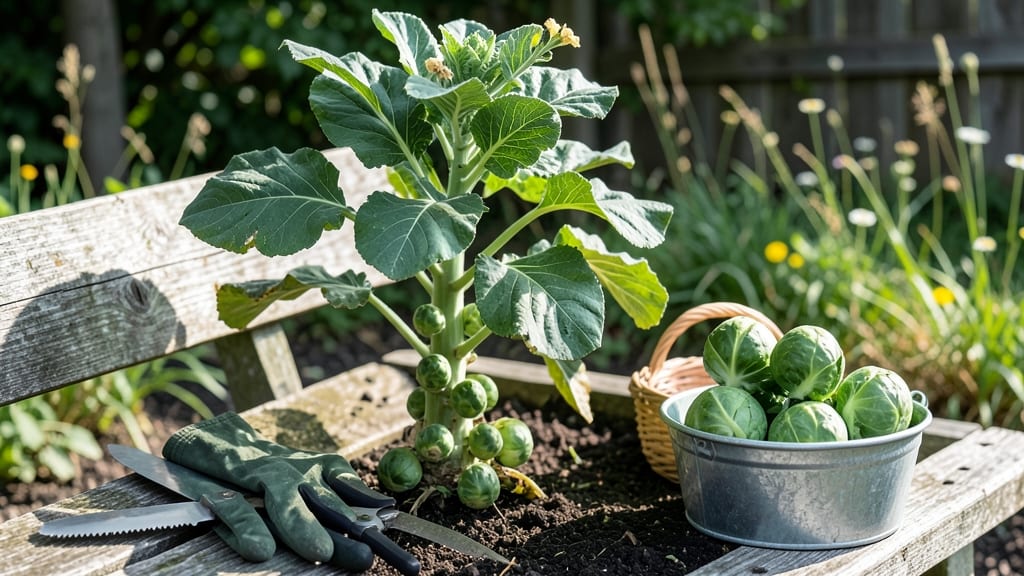
Knowing how to know when Brussels sprouts are ready to harvest can make the difference between sweet, tender bites and tough, bitter disappointment. The key lies in watching for three subtle but unmistakable signs that tell you it's time to pick—before the flavor peaks and starts to fade.
Most gardeners wait until the sprouts reach about 1 to 1.5 inches in diameter, but size alone isn't enough. You'll also want to check for a rich, deep green or purple hue (depending on your variety) and a slight give when gently squeezed.
These clues, combined with the right timing, ensure your harvest is packed with flavor.
Harvesting too early means small, watery sprouts, while waiting too long turns them woody and bitter. The good news? Cold weather actually enhances their sweetness, so if you're in USDA Zone 6a, aim for late October to November when temperatures drop.
Here’s exactly how to spot the perfect moment without missing it.
I’ll walk you through the step-by-step process, including how to check maturity without damaging the plant and whether to harvest from the bottom up or top down. By the end, you’ll never second-guess when to pick your 🥦 Brussel sprouts again.


3 Key size and color clues to harvest Brussel sprouts at peak flavor
Brussel sprouts reach their sweetest flavor when harvested at the right moment—but spotting that window requires paying attention to three critical visual cues. The first clue is size: aim for sprouts that are 1 to 1.5 inches in diameter.
Anything smaller will be watery and underdeveloped, while larger ones become tough and bitter. Think of them as tiny, compact cabbages clinging to the stem like little green gems.
Next, check the color. Mature sprouts develop a deep, vibrant hue, whether that’s rich green for classic varieties like 'Long Island Improved' or deep purple for heirlooms like 'Ruby Ball'. Look for uniformity—the whole sprout should match, not have patchy or pale spots.
This consistency signals full maturity and peak sweetness, especially after a few cool fall nights that trigger natural sugar conversion.
- Size
- Color
- Base Hue
The third clue often gets overlooked: the base of the sprout. When ready, you’ll notice a yellowish-brown tint where it meets the stem. This color change indicates the sprout has developed its full flavor profile, thanks to natural sugars converting during cooler weather.
Pro tip: Harvest on a dry morning after a frost—this enhances sweetness even more by up to 30%.
Timing matters because Brussels sprouts keep producing upward. If you miss the bottom buds, the plant will continue making new ones higher up. This means you can extend your harvest for weeks, but only if you start with the lowest sprouts first.
Think of it like peeling an onion—work your way up the stem for a steady supply of fresh sprouts.
One common mistake is waiting too long. Overripe sprouts become woody and bitter, with stems that resist snapping. To avoid this, inspect your plants weekly starting around 90 days after transplanting.
Keep a small notebook to track which varieties ripen fastest—some, like 'Jade Cross', mature earlier than others by up to 10 days.
Remember, the colder the weather, the sweeter the sprouts. A light frost actually improves flavor, so don’t rush to harvest before the first chill of fall.
If you’re unsure, pick a few test sprouts and taste them—they should be crisp with a nutty sweetness, not bland or grassy. This simple taste test can save your entire crop from going to waste.
For variety-specific guidance, 'Ruby Ball' sprouts often mature slightly later than green varieties due to their thicker skins. However, their deep purple color makes them easier to spot when fully ripe. If you're growing multiple varieties, label your plants to track which ones need harvesting first.
Finally, never harvest sprouts that feel mushy or hollow-sounding when tapped gently. These are past their prime and won’t improve with cooking. The perfect Brussels sprout should feel firm yet yield slightly when pressed, like a ripe avocado—this texture guarantees the best flavor and texture in your dishes.
3 Key size and color clues to harvest Brussel sprouts at peak flavor
Brussel sprouts reach their sweetest flavor when harvested at the right moment—but spotting that window requires paying attention to three critical visual cues. The first clue is size: aim for sprouts that are 1 to 1.5 inches in diameter.
Anything smaller will be watery and underdeveloped, while larger ones become tough and bitter. Think of them as tiny, compact cabbages clinging to the stem.
Next, check the color. Mature sprouts develop a deep, vibrant hue, whether that’s rich green for classic varieties or deep purple for heirlooms like 'Ruby Ball'. Look for uniformity—the whole sprout should match, not have patchy or pale spots.
This consistency signals full maturity and peak sweetness, especially after a few cool fall nights.
- Size
- Color
- Base Hue
The third clue often gets overlooked: the base of the sprout. When ready, you’ll notice a yellowish-brown tint where it meets the stem. This color change indicates the sprout has developed its full flavor profile, thanks to natural sugars converting during cooler weather.
Pro tip: Harvest on a dry morning after a frost—this enhances sweetness even more.
Timing matters because Brussels sprouts keep producing upward. If you miss the bottom buds, the plant will continue making new ones higher up. This means you can extend your harvest for weeks, but only if you start with the lowest sprouts first.
Think of it like peeling an onion—work your way up the stem for a steady supply.
One common mistake is waiting too long. Overripe sprouts become woody and bitter, with stems that resist snapping. To avoid this, inspect your plants weekly starting around 90 days after transplanting. Keep a small notebook to track which varieties ripen fastest—some, like 'Jade Cross', mature earlier than others.
Remember, the colder the weather, the sweeter the sprouts. A light frost actually improves flavor, so don’t rush to harvest before the first chill of fall.
If you’re unsure, pick a few test sprouts and taste them—they should be crisp with a nutty sweetness, not bland or grassy.