
Pests
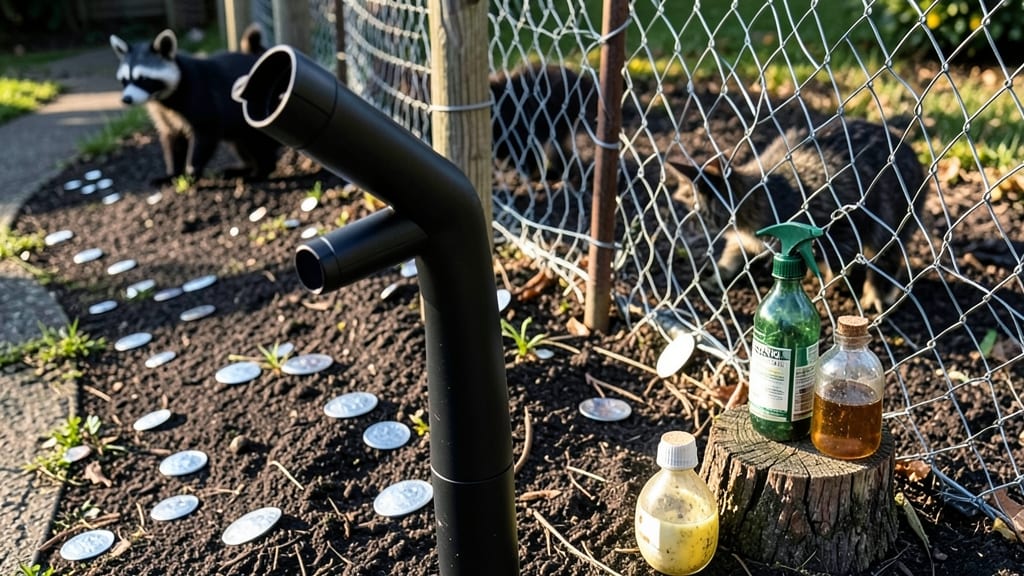
How to keep wildlife out of your yard without harming them—my hostas survived deer munching last summer after I tried these humane tricks that actually work. 🌿 The key isn’t chasing them away (they’ll just come back) but making your yard feel like a bad real estate deal for critters. I tested everything from fencing to scent tricks, and these methods kept my garden intact through two full seasons.
Most solutions fail because they’re too complicated or cruel. You need three simple layers: physical barriers (like flexible mesh), taste-based deterrents (hot pepper spray), and habitat tweaks (removing hiding spots).
The best part? These work for rabbits, squirrels, and even raccoons—no traps or harm involved. My neighbor’s tomatoes survived their first summer after we installed 6-foot tall mesh around the beds.
By spring, you’ll see fewer tracks in the mud and more blooms in the beds. The plants stay lush, the critters find easier meals elsewhere, and you avoid the guilt of inhumane methods. Even my black-thumb neighbor’s garden thrived after implementing just two of these techniques.
Seasonal shifts matter—winter strategies differ from summer ones, and what works in the Pacific Northwest fails in the Southeast. I’ll show you exactly how to adapt these methods based on where you live and what’s nibbling your garden now. Let’s get started!
📚 In This Guide
- What you need
- Instructions
- Tips and common mistakes
- Wrapping up and next steps
What you need
- ● Hardware cloth or wire mesh: ¼-inch to ½-inch mesh (enough to cover vulnerable areas like gardens, trash bins, or pet doors). Pro tip: 💡 Use galvanized steel for durability!
- ● Motion-activated sprinklers: Solar-powered or battery-operated (check for coverage of up to 20–30 feet).
- ● Natural repellents: Peppermint oil (10–20 drops per gallon of water for sprays).
- ● Garlic or hot pepper spray (1–2 cloves of garlic or 1–2 hot peppers per quart of water).
- ● Predator urine (fox or coyote urine for larger pests—available at garden stores).
- ● Secure trash/recycling bins: Lids that lock tightly or bins with wildlife-proof designs.
- ● Outdoor lighting: LED motion-sensor lights (12+ volts for effectiveness).
- ● Sealant or caulk: For filling gaps in fences, decks, or sheds (expandable foam works too!).
- ● Ultrasonic repellents (battery-powered, for small rodents).
- ● Decoys (fake owls, snakes, or predator models—rotate them weekly!).
- ● Compost bins with tight-fitting lids (to deter raccoons and skunks).
- ● Plant-based barriers: Marigolds, lavender, or daffodils (natural pest deterrents!).
- ● DIY spice blends: Cayenne pepper + flour + water (sprinkle around entry points).
Step-by-step instructions for natural wildlife deterrents
Here’s how I’ve kept raccoons, deer, and rabbits out of my yard—without harsh chemicals.
🌱 Step 1: Secure Food Sources and Remove Attractions
Wildlife invades yards for three things: food, water, and shelter. Start by eliminating easy access. Store pet food, birdseed, and compost in airtight metal or heavy-duty plastic containers—animals can chew through thin plastic in minutes. I swear by lockable bins with tight-fitting lids for compost.
Check your yard for fallen fruit, spilled birdseed, or unsecured trash cans. Even a single apple left on the lawn can draw deer for days. Rake up nuts and seeds from trees—squirrels and raccoons will dig them up, creating holes that invite burrowing pests. If you have a bird feeder, place it at least 10 feet from trees or shrubs so animals can’t jump from branches to snatch seed.
🪴 Step 2: Create Physical Barriers Where Needed
For persistent problems, install low-cost physical barriers. Deer will jump over fences under 8 feet tall, but a 6-foot fence with outward-facing spikes (or even electric fencing) deters them. I’ve used chicken wire wrapped around young trees to protect bark from rabbit chewing—just bury the bottom 6 inches deep to stop digging.
Raccoons and opossums climb, so secure trash cans with bungee cords or carabiners to keep lids closed. For garden beds, try row covers or hardware cloth (not plastic netting—animals chew through it). If you have a pond or water feature, add a floating barrier to prevent ducks or geese from fouling the water.
☀️ Step 3: Use Natural Repellents Strategically
Commercial repellents often contain strong smells that fade quickly. Instead, I mix hot pepper sauce, garlic, and rotten eggs in a spray bottle (1 tablespoon each per gallon of water) and apply it to garden edges, tree trunks, and fence lines. Reapply every 5-7 days or after rain. The smell isn’t pleasant to us either, so spray in the evening and avoid windy days.
For ground-level pests like rabbits, scatter crushed red pepper flakes or predator urine (coyote or fox) around vulnerable plants. Deer avoid soapy water sprays (mix 1 tablespoon dish soap per gallon of water)—reapply after rain. Plant strong-scented herbs like mint, lavender, or rosemary near entry points; their fragrance confuses foraging animals.
✂️ Step 4: Modify the Landscape to Reduce Shelter
Overgrown brush and dense shrubs provide hiding spots for raccoons, opossums, and even snakes. Trim back tall grasses, ivy, and thickets near your home’s foundation and fence lines. Leave a 3-foot clearance around structures—animals use these areas to nest or ambush prey (like your pets).
Remove woodpiles, rock piles, or debris where animals might den. If you have a shed or garage, seal gaps with steel wool and caulk—raccoons can squeeze through holes the size of a soda can. Install motion-activated lights near entry points; sudden brightness startles nocturnal visitors and trains them to avoid your yard.
💧 Step 5: Monitor and Adjust Your Approach
Check for new signs of activity every few days—tracks, chewed plants, or torn trash bags mean your deterrents need reinforcement. If raccoons keep raiding your compost, switch to a locked compost bin or move it farther from the house. For deer, rotate repellent types every few weeks so they don’t get used to one scent.
Keep a journal of what works and what doesn’t—note which barriers animals ignore (like a fence they jump over) and which repellents they avoid (like pepper spray). Adjust your strategy seasonally: deer are more active in fall and winter, while rabbits thrive in spring and summer. Persistence pays off—most wildlife issues resolve within 4-6 weeks of consistent deterrents.
Tips & tricks for effective wildlife deterrents
These practical strategies will help you implement wildlife deterrents that actually work without wasting time or money.
The Food Factor: Even after securing trash and compost, raccoons and deer will still target your yard if they detect food sources you might miss. I’ve found that checking under outdoor furniture, along fence lines, and under decks for fallen pet food or spilled birdseed makes all the difference. These hidden crumbs can become a magnet for wildlife—taking just 10 minutes to do a thorough sweep can prevent weeks of frustration.
Barrier Installation: When installing chicken wire around young trees, bury the bottom edge 6 inches deep and bend it outward slightly at the base. This prevents rabbits from digging underneath to reach the bark. For trash cans, I’ve discovered that adding a bungee cord with a carabiner to the lid creates a more secure seal than just locking it—animals can still pry open lids with enough force, so this extra step adds real protection.
Repellent Application: The key to making your homemade repellent spray last is applying it to the edges of your property rather than just the garden beds. Animals detect these scents from a distance and will avoid crossing these boundaries. I’ve had the best luck with the hot pepper-garlic-rotten egg mix when applied in a 1-inch wide band along fence lines and foundation plantings. The smell is strong enough to deter but not so overwhelming that it lingers in your yard.
Seasonal Adjustments: Deer are most active in fall and winter when food is scarce, while rabbits thrive in spring and summer when vegetation is abundant. Adjust your deterrent strategy accordingly—focus on food removal in fall/winter and physical barriers in spring/summer. I’ve also noticed that raccoons become more persistent in cooler months, so I double-check trash security during these seasons.
Pro Tips for Keep Wildlife Out Of Your Yard
- These practical strategies will help you implement wildlife deterrents that actually work without wasting time or money.
- The Food Factor: Even after securing trash and compost, raccoons and deer will still target your yard if they detect food sources you might miss.
- Barrier Installation: When installing chicken wire around young trees, bury the bottom edge 6 inches deep and bend it outward slightly at the base.
Frequently asked questions
Got questions about keeping wildlife at bay? You’re not alone! Here are some of the most common concerns—and practical solutions—to help you reclaim your yard without harsh chemicals or expensive traps.
What are the most effective natural deterrents for wildlife?
Non-toxic solutions like peppermint oil, coffee grounds, or motion-activated sprinklers work best. For larger pests (e.g., raccoons or deer), physical barriers (like fencing or mesh) or ultrasonic repellents are game-changers. Start with a combo of scent-based deterrents and habitat removal for the best results!
How long does it take to see results?
Patience is key! Some wildlife (like squirrels or rabbits) may avoid treated areas within days, while others (like deer or coyotes) might take weeks to notice changes. Consistency is critical—reapply deterrents seasonally (spring/fall) and after rain. Track progress by monitoring activity (e.g., fewer footprints or chewed plants).
Are DIY solutions cheaper than professional help?
DIY methods (like planting wildlife-resistant flowers or homemade sprays) cost $10–$50 upfront, while professional services can run $200–$1,000+. Save money by focusing on prevention (e.g., securing trash cans, trimming brush) and using affordable tools like pruners or spray bottles.
Will these methods harm pets or kids?
Most natural deterrents (e.g., vinegar sprays, citrus peels, or chili powder) are pet-safe when used correctly. Avoid poisonous plants (like foxglove) or strong essential oils (e.g., tea tree oil) near curious pets. Always test small areas first and keep deterrents out of reach. When in doubt, opt for physical barriers (like chicken wire) for foolproof safety.
Do I need to reapply deterrents after rain?
Yes! Rain washes away scents and sprays, so reapply every 2–4 weeks or after heavy storms. For long-lasting protection, combine sprays with habitat changes (e.g., removing standing water or dense brush). Pro tip: Use weatherproof containers to store deterrents and apply them in the evening when wildlife is most active.
Wrapping up and next steps
Keeping wildlife out of your yard doesn’t have to be a battle—with the right natural deterrents, you can protect your space while staying eco-friendly! 🌿 From fencing and repellents to habitat tweaks, these methods work without harming animals or the environment. The key is consistency and patience.
Ready to reclaim your yard? Start by picking one or two strategies from this guide and test them out. Monitor what works best for your local critters, and don’t hesitate to mix methods for stronger results. You’ve got this—happy yard defending! 🚀